- 1. What is a cell?
- 2. Cell theory
- 3. What is inside a cell?
- 4. How big is a cell?
- 5. Bacteria: prokaryotic cells
- 6. Plant and animal cells
- 7. The cell membrane and cell wall
- 8. The endomembrane system
- 9. Mitochondria and plastids
- 10. Ribosomes, cytoskeleton, cilia and centrioles
- 11. The nucleus
- Review
2 of 11·NCERT §8.2·pp. 87–88·3 min
Cell theory
The big ideaAll living things are made of cells, and every cell comes from another cell.
In simple words
People had seen cells for a long time. Then some scientists looked at lots of plants and animals and saw that they are all made of cells. Another scientist saw that new cells only appear when an old cell splits in two. Put those ideas together and you get the cell theory.
- 1665
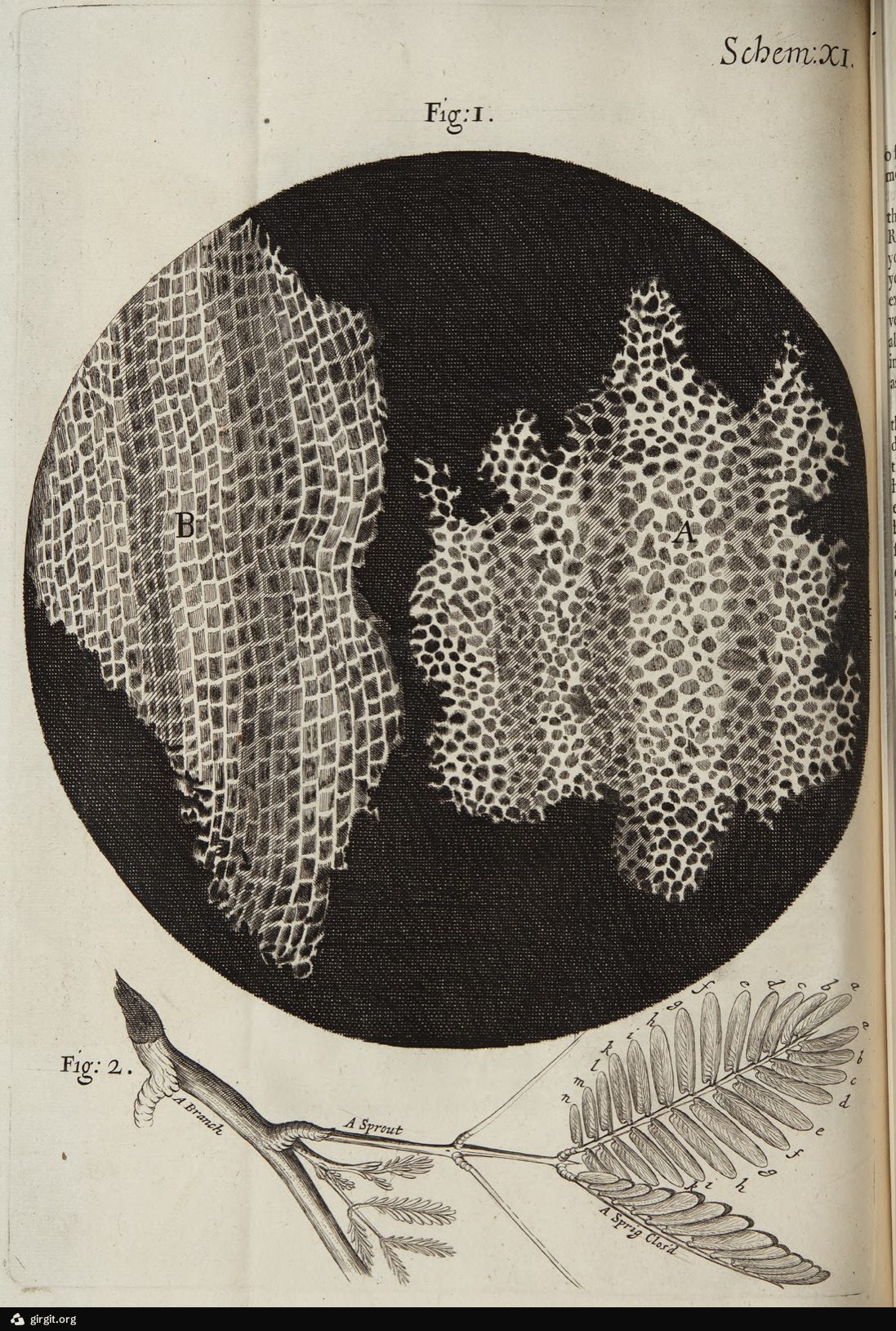
Robert Hooke looks at thin slices of cork and calls the little boxes he sees cells.
- 1674
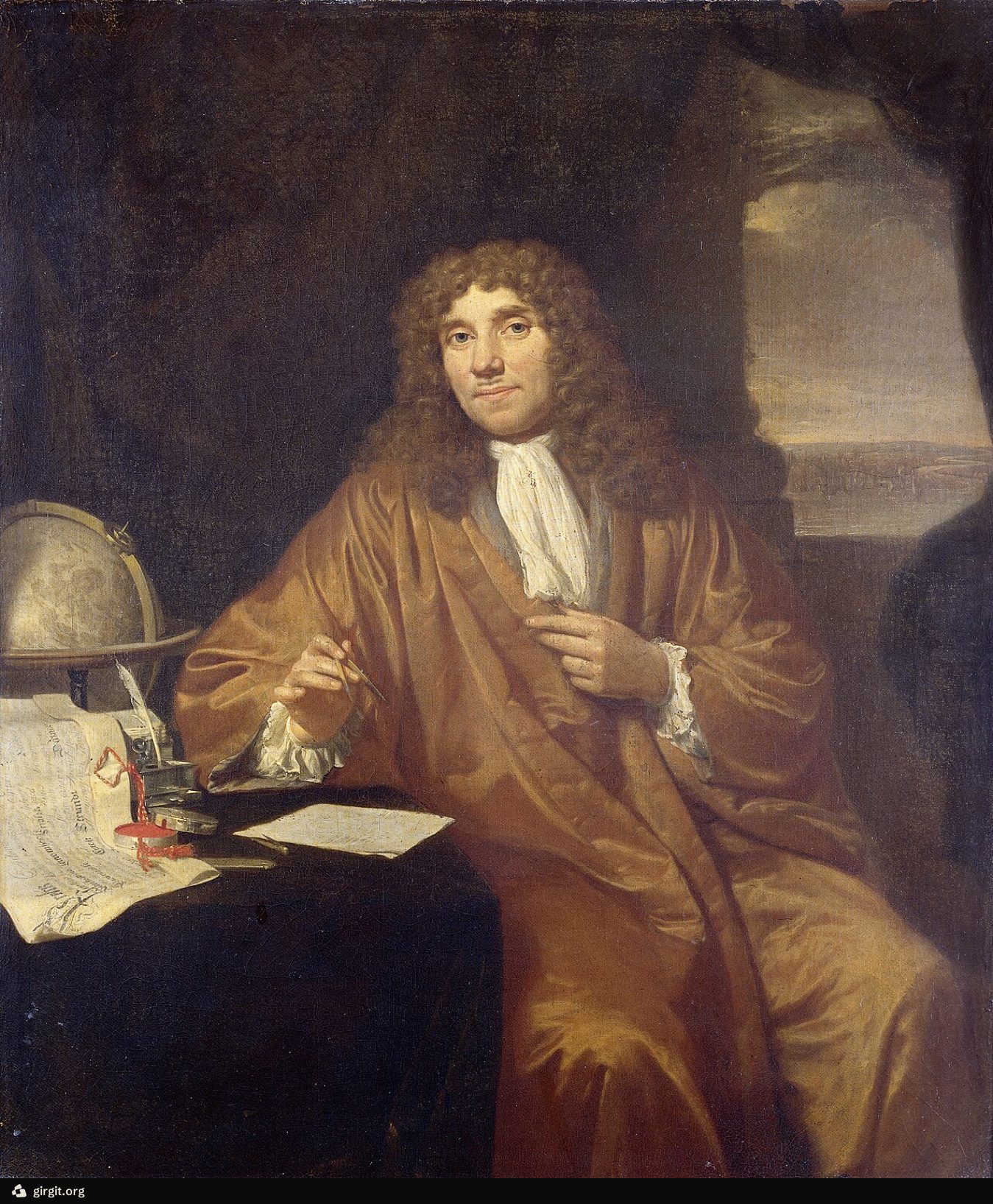
Antonie van Leeuwenhoek sees living single-celled creatures in pond water, and later bacteria, through his own lenses.
- 1831
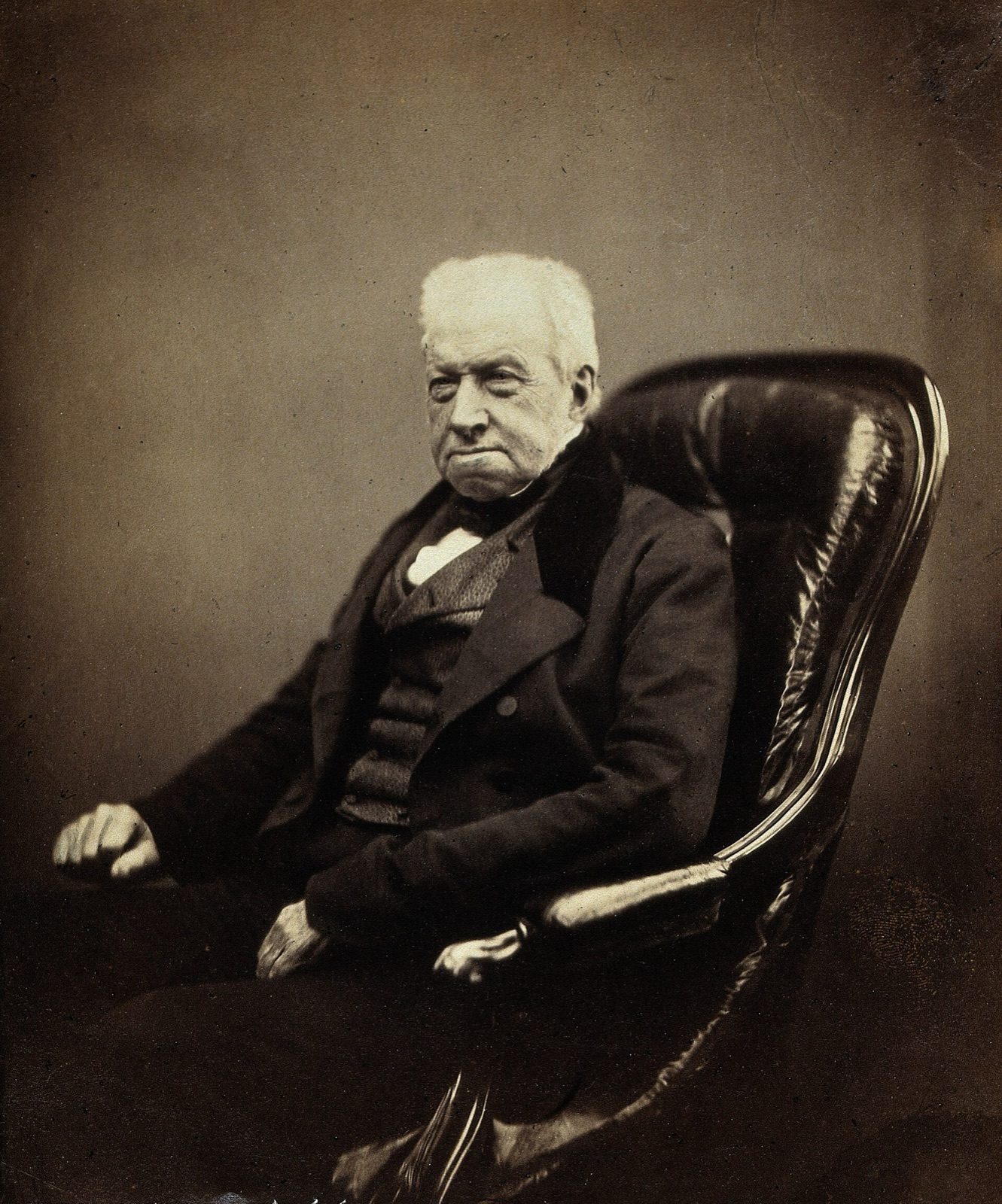
Robert Brown finds a dense round body in every orchid cell and names it the nucleus.
- 1838
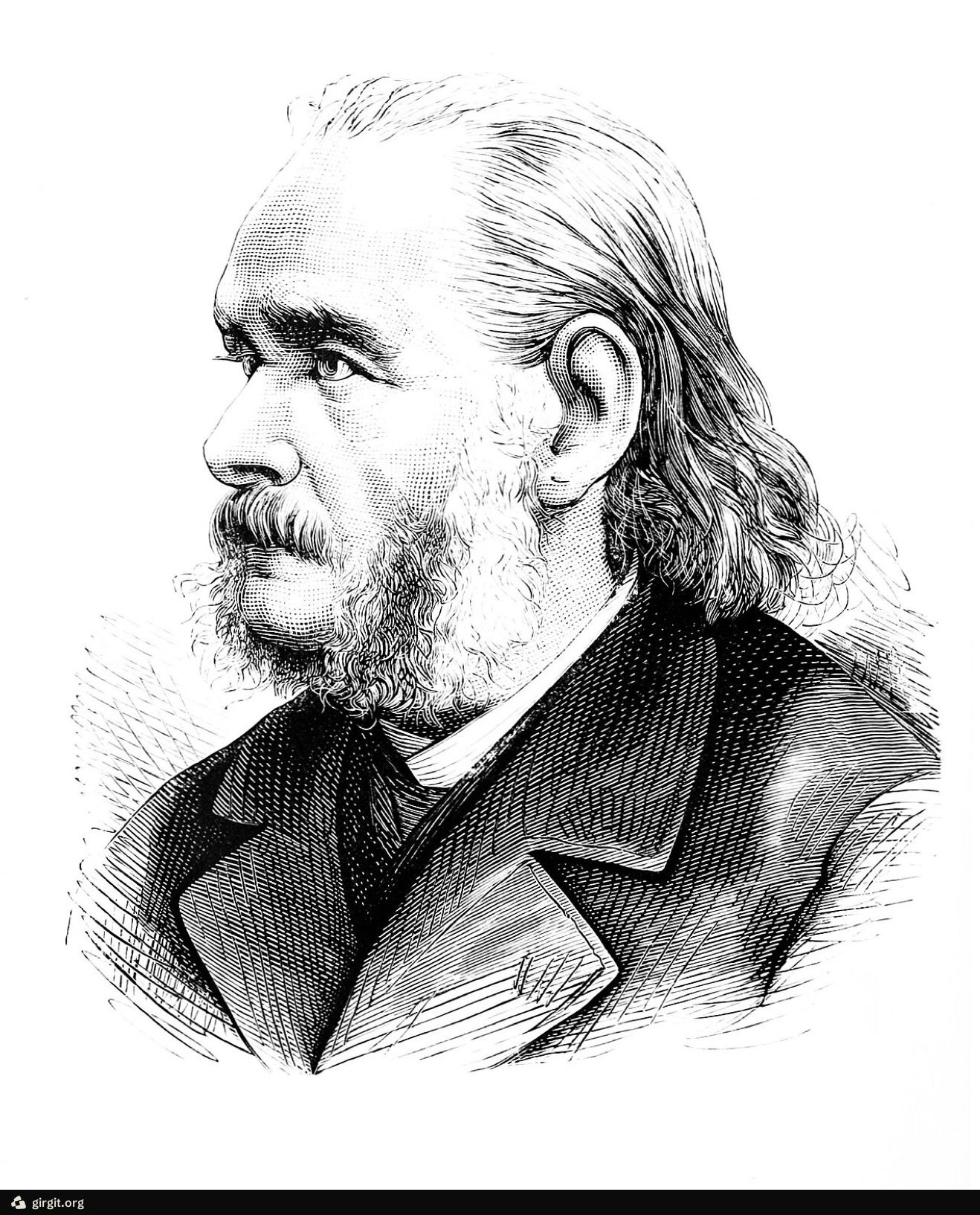
Matthias Schleiden concludes that all plants are made of cells.
- 1839
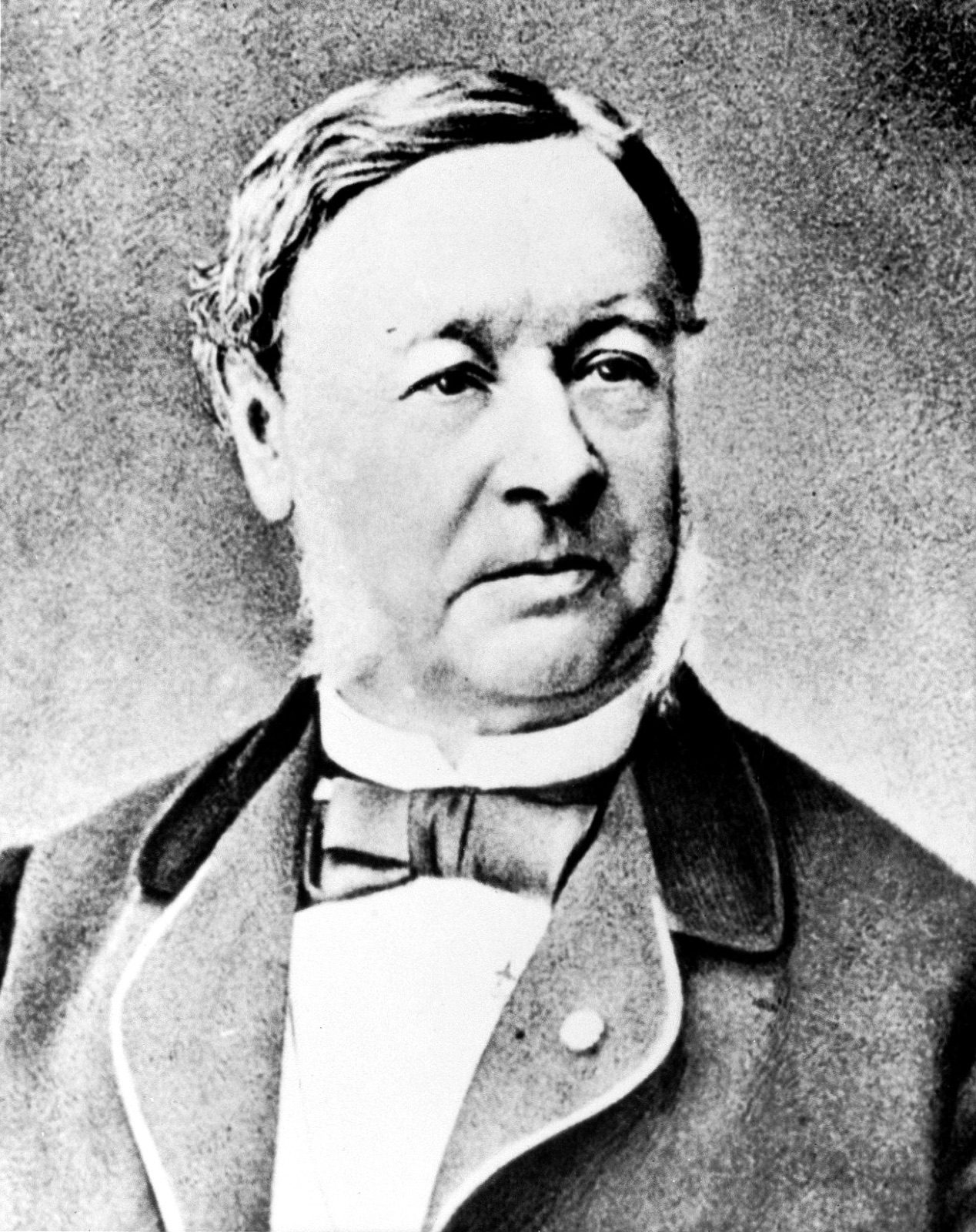
Theodor Schwann shows animals are made of cells too, and proposes that all living things are built of cells and their products.
- 1855
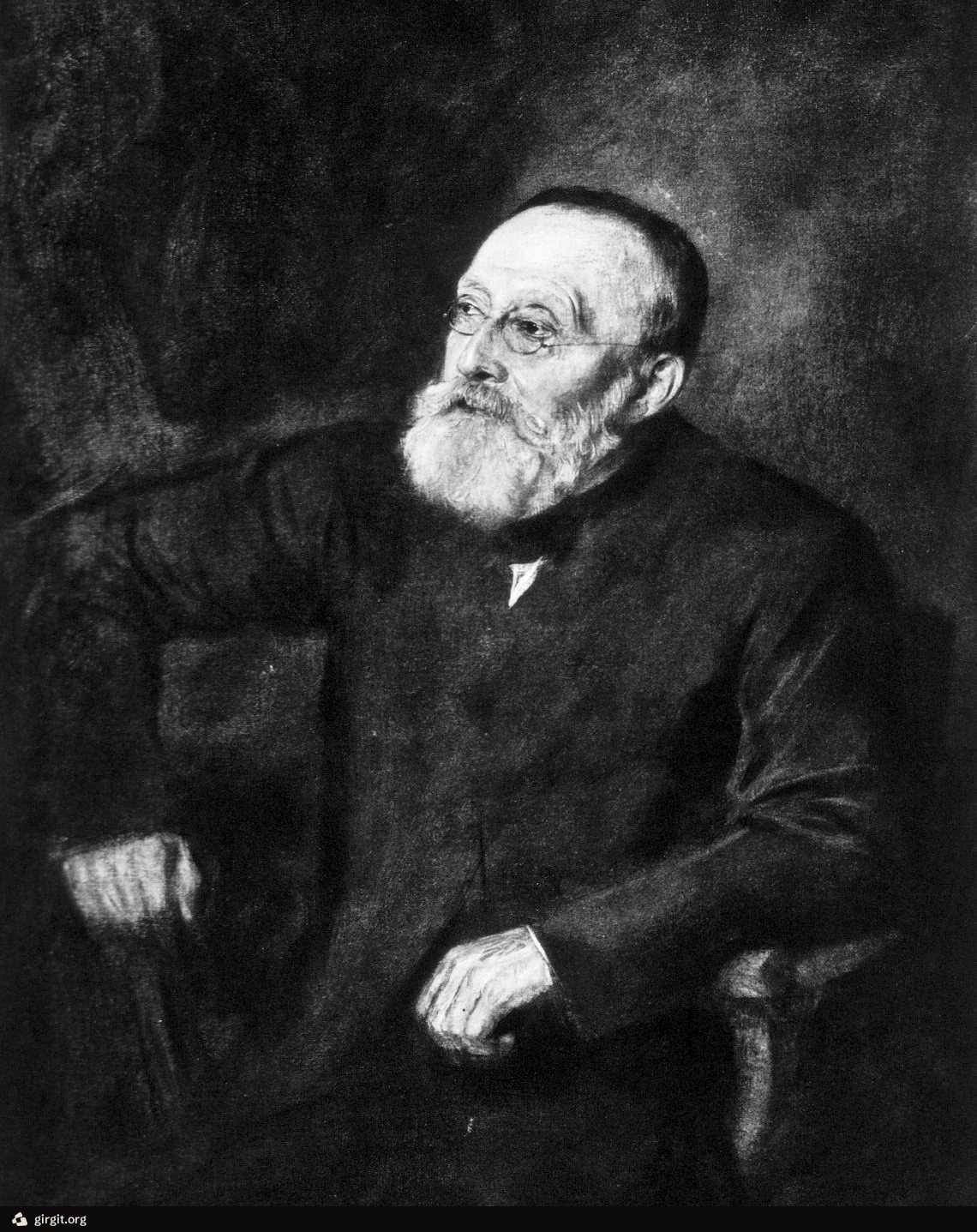
Rudolf Virchow adds the missing piece: omnis cellula e cellula, every cell comes from a cell.
In 1838 Matthias Schleiden, a plant scientist (botanist), looked at many plants and found they are all made of cells. In 1839 Theodor Schwann, an animal scientist (zoologist), found the same for animals. He saw that animal cells have a thin outer skin, today called the plasma membrane, and that only plant cells have a stiff cell wall outside it.
Together, Schleiden and Schwann gave us the cell theory: bodies of plants and animals are made of cells and things cells make.
Textbook check · §8.2Fungi and bacteria have cell walls too
- The textbook says
- Schwann concluded that a cell wall is a unique character of plant cells.
- What we know now
- That was Schwann's conclusion in 1839, and the textbook reports it as history. It is not true today: fungi, most bacteria and algae have cell walls too, as the textbook itself says in 8.4 and 8.5.2. The difference is the material: cellulose in plants, chitin in fungi, peptidoglycan in bacteria.Source: NCERT Biology XI, §8.4 and §8.5.2
- In the exam
- For "what did Schwann conclude?", the textbook's line is the answer. For "which cells have walls?", include plants, fungi and bacteria.
But where do new cells come from? Schleiden guessed they form out of a liquid, like crystals. In 1855 Rudolf Virchow showed the real answer: cells divide, so every new cell comes from an old one. In Latin: Omnis cellula e cellula, "every cell from a cell".
Textbook check · §8.2The idea was Remak's before it was Virchow's
- The textbook says
- Rudolf Virchow (1855) first explained that new cells form from pre-existing cells.
- What we know now
- The evidence came first from Robert Remak, who published it in 1852 from his studies of dividing cells in embryos. Virchow's 1855 essay popularised the idea, and the Latin phrase, without crediting Remak.Source: Foundations of Modern Cell Theory (OpenStax Microbiology)
- In the exam
- Write Virchow (1855), Omnis cellula e cellula.
The cell theory today
- All living things are made of cells and products of cells.
- All cells come from cells that already existed.
- Botanist / zoologist
- A scientist who studies plants / animals.
- Plasma membrane
- The thin outer skin of every cell.
- Cell wall
- A stiff layer outside the membrane in plants (and fungi and bacteria).
- Omnis cellula e cellula
- "Every cell from a cell": Virchow, 1855.
Words to know
Which part of the modern cell theory came from Virchow?
- Plants and animals are made of cells
- New cells come only from existing cells
- Only plant cells have a cell wall
Picture and video credits
Show 2 picture and video credits
- robert-brown-portrait.jpg: Maull & Polyblank; Wellcome Collection, CC BY 4.0
- schwann.jpg: Wellcome Collection, CC BY 4.0

