Morphology of Flowering Plants
- 1. Roots: what holds a plant in the ground?
- 2. The stem: how is it different from a root?
- 3. The leaf: base, stalk and blade
- 4. How are leaves and flowers arranged?
- 5. What is a flower?
- 6. Sepals, petals and aestivation
- 7. Stamens, carpels and placentation
- 8. The fruit: what does an ovary become?
- 9. Inside a seed: gram and maize
- 10. How to read a floral formula
- 11. Three families: Solanaceae, Fabaceae, Liliaceae
- Review
9 of 11·NCERT §5.7 · §5.7.1 · §5.7.2·pp. 66–67·6 min
Inside a seed: gram and maize
The big ideaA seed is a fertilised ovule: a baby plant (the embryo) with its packed lunch, wrapped in a seed coat, and dicot and monocot seeds pack that lunch differently.
In simple words
A seed is a tiny plant asleep inside a jacket, with food packed in for the journey. In a gram seed the food is stored in two thick halves that are part of the baby plant itself. In a maize grain most of the food is in a big separate store, and the baby plant sits in a corner with a shield pressed against the food. The baby root and baby shoot each wear a little cap to keep them safe.
After fertilisation, each ovule becomes a seed. Every seed has two parts: an outer seed coat and, inside it, an embryo. The embryo consists of a radicle (baby root), an embryonal axis and either one cotyledon (seed leaf), as in wheat and maize, or two, as in gram and pea.
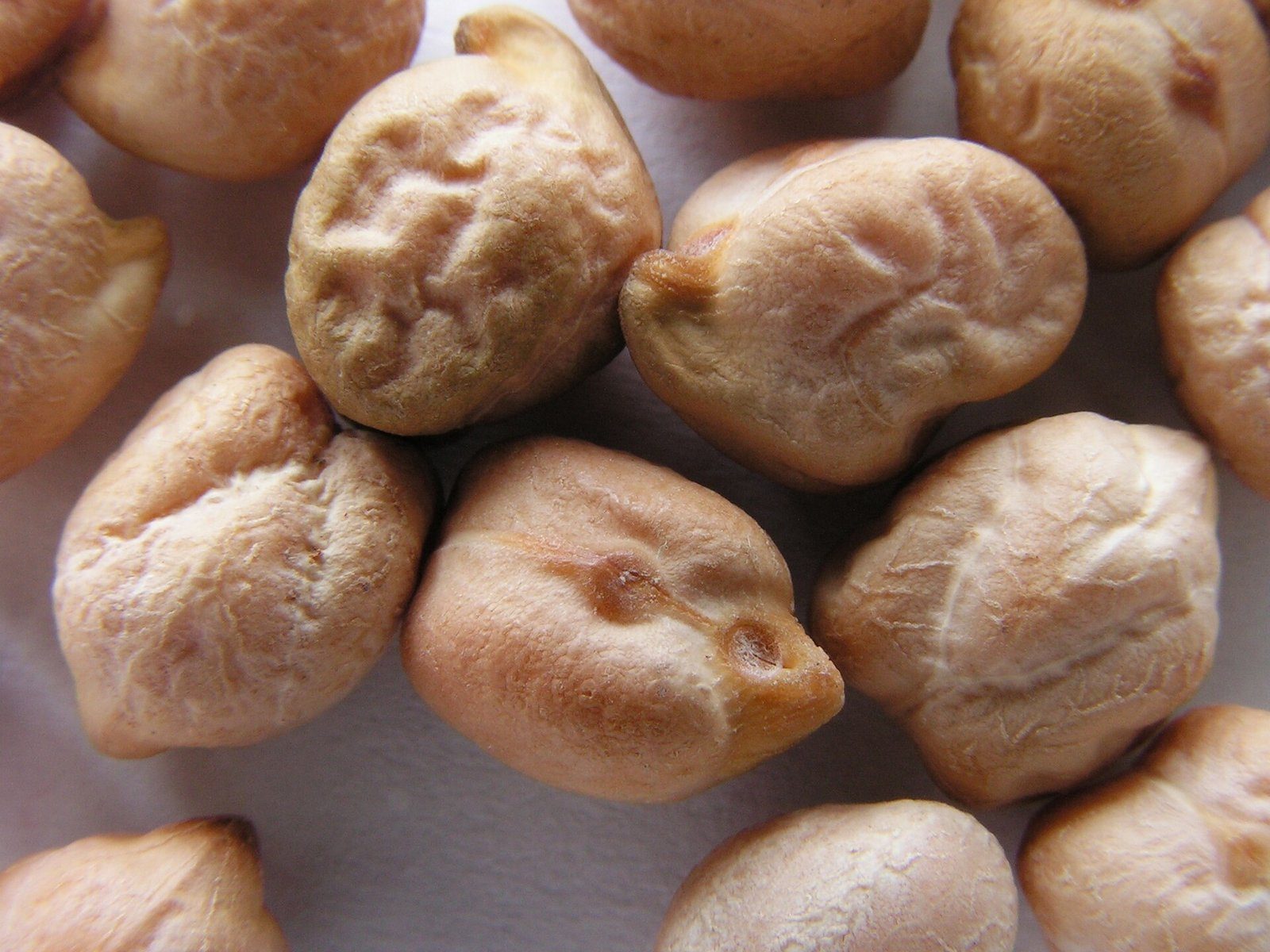
A dicot seed: soak a chana
Soak a few chana (gram) seeds overnight, then peel one. This is what you find.
- Seed coat, in two layers: testa on the outside, tegmen underneath.
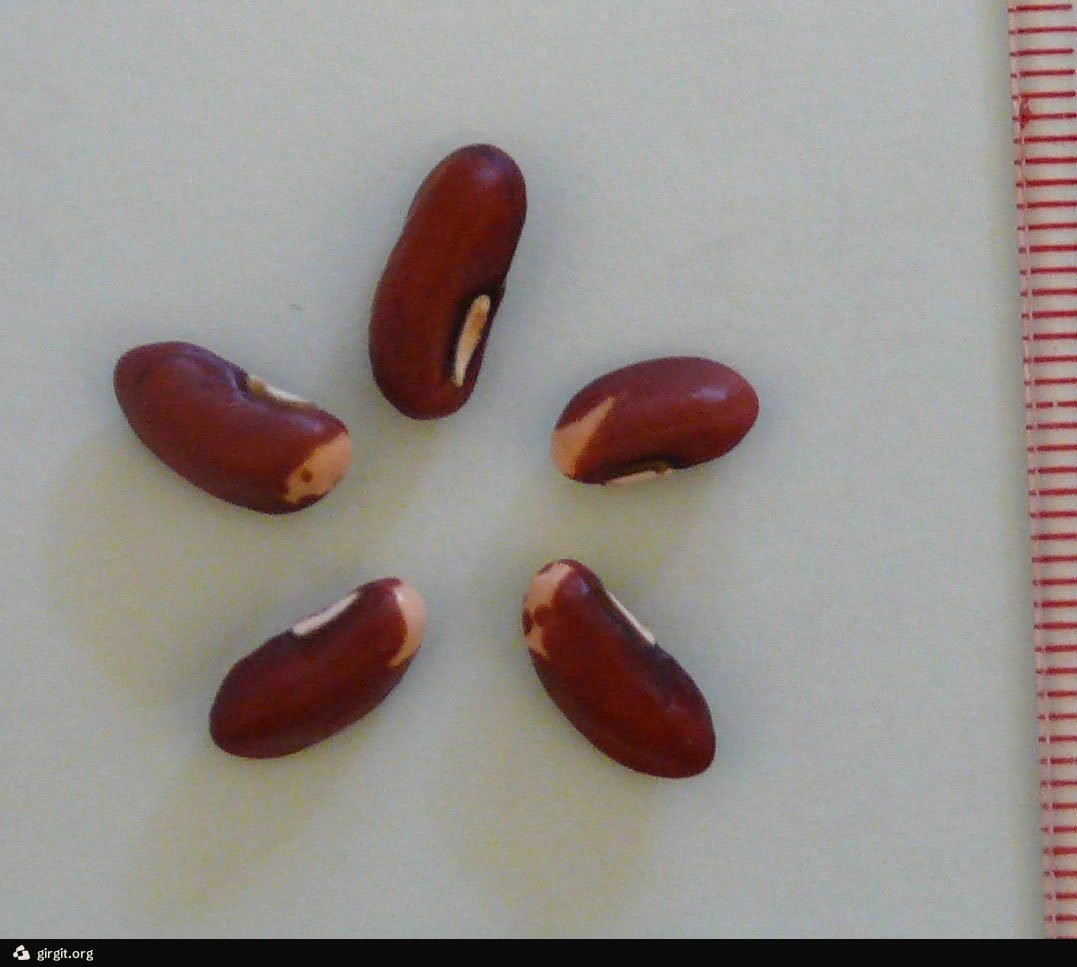
- Hilum: a scar on the seed coat where the seed was attached to the fruit, like a navel.
- Micropyle: a tiny pore just above the hilum. Squeeze a soaked seed and a drop of water can come out of it.
- Inside, the embryo: two cotyledons joined to an embryonal axis. These cotyledons are often thick and fleshy, full of stored food. That is why the two halves of a dal are so nourishing.
- At one end of the axis is the radicle, which becomes the root; at the other end is the plumule, which becomes the shoot.
 seed coat (testa)
 hilum (scar)
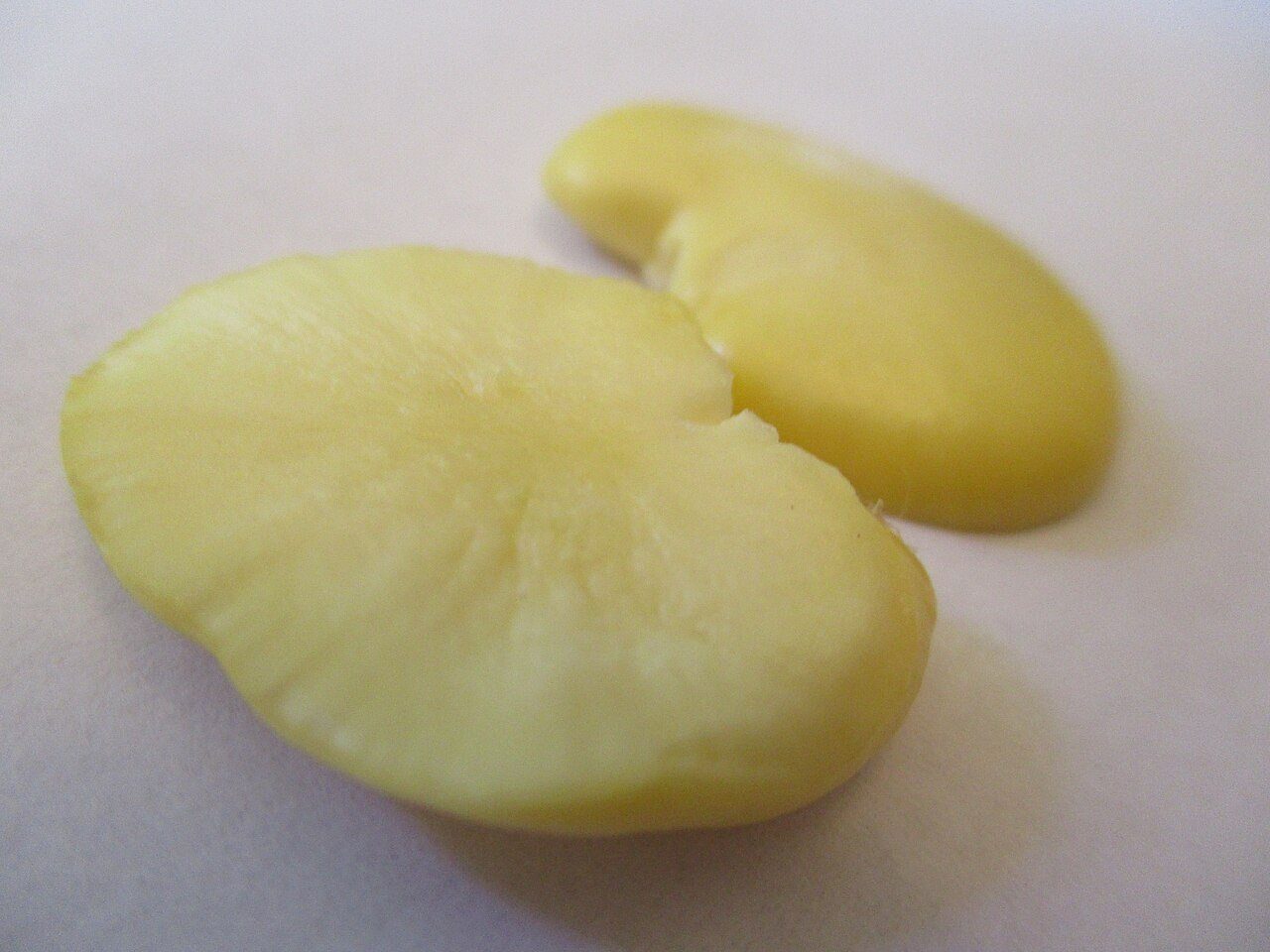 cotyledoncotyledon
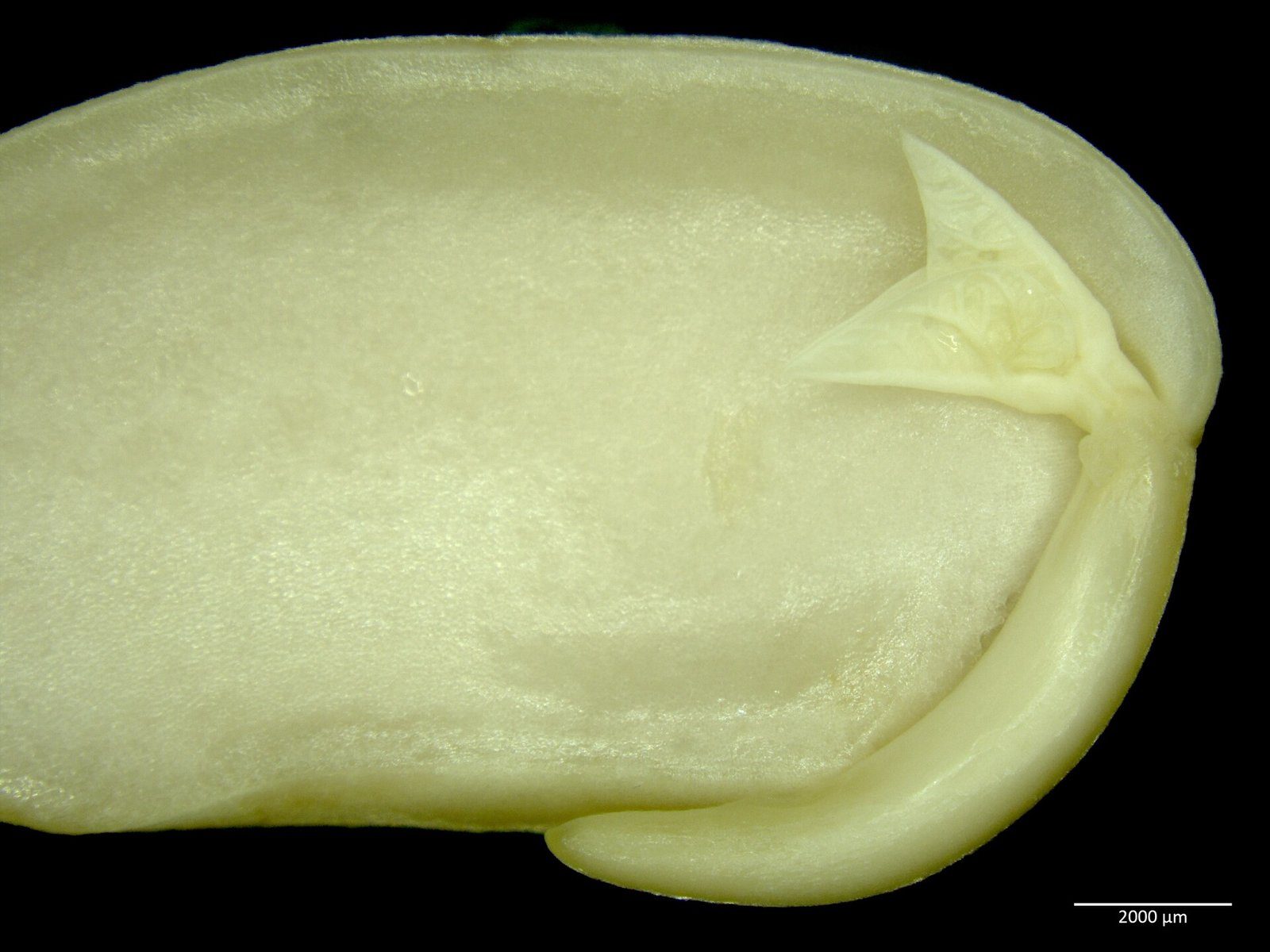 cotyledonplumuleembryonal axisradicle
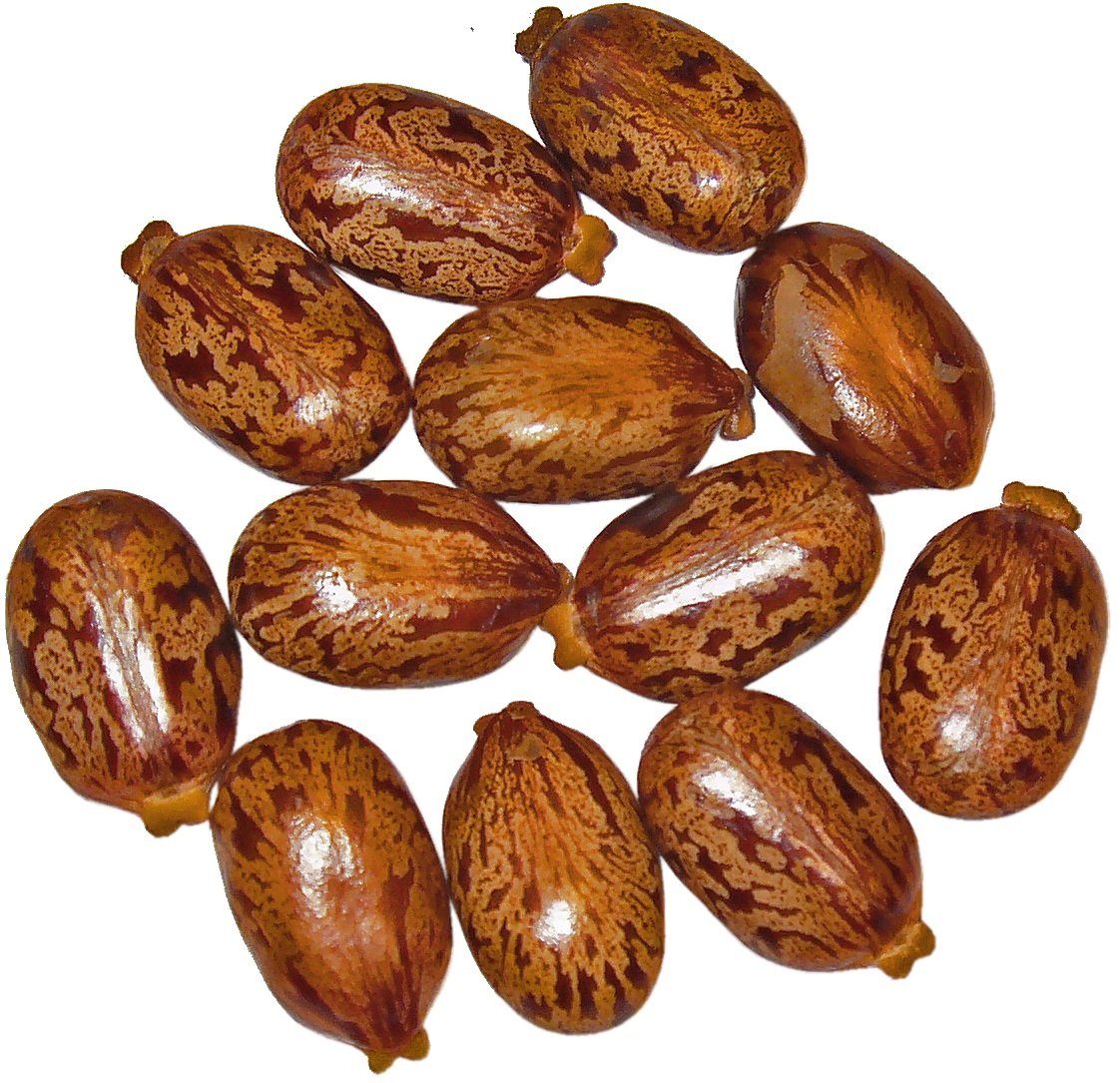
The endosperm is a food-storing tissue formed by double fertilisation. Seeds that keep it when mature, such as castor, are endospermic (endospermous). In bean, gram and pea, the endosperm has been used up by the time the seed is mature; the food is in the cotyledons instead. These seeds are non-endospermous.
 seed coat (testa)
A monocot seed: a maize grain
Most monocot seeds are endospermic; a few, such as orchids, are not. In cereals like maize:
- The seed coat is thin and papery (membranous) and usually fused with the fruit wall. So a maize or wheat grain is really a whole tiny fruit.
- The endosperm is bulky and stores the food. Its outer layer is a protein-rich layer, the aleurone layer.
- The tiny embryo is tucked into a groove at one end of the grain, beside the endosperm. Its single cotyledon is big and shaped like a shield, and is called the scutellum. Its axis is short, with the plumule at one end and the radicle at the other.
- The plumule is covered by a sheath, the coleoptile. The radicle is covered by a sheath, the coleorhiza.
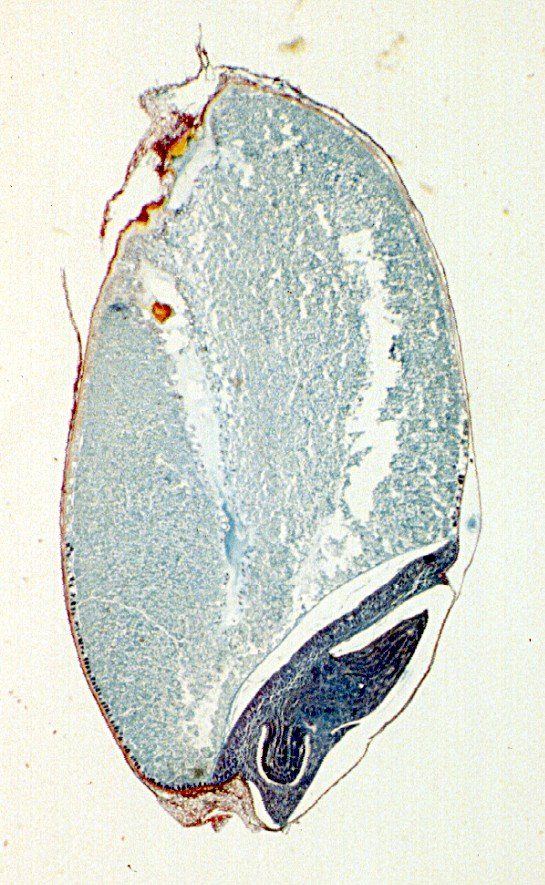 endospermfruit wall + seed coataleurone layerscutellumembryo
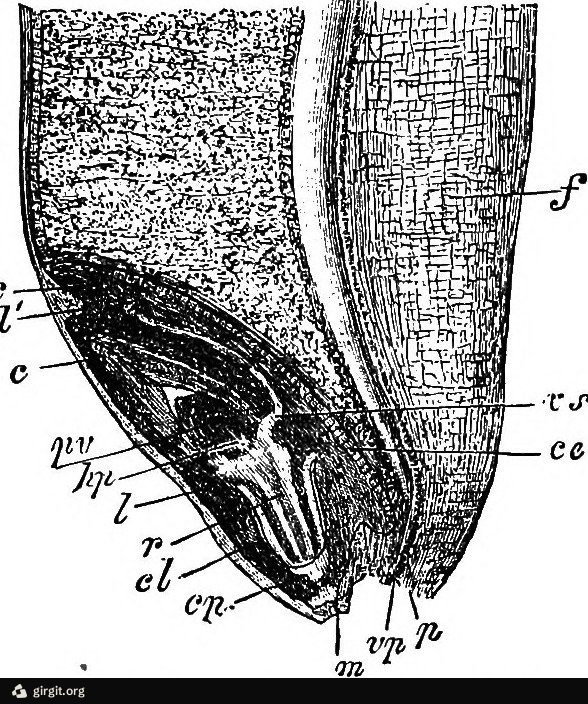 endospermscutellumplumule in coleoptileradicle in coleorhiza
Try it: match the parts of the two seeds by the job they do, then let them sprout.
The real thing: watch which part comes out first.
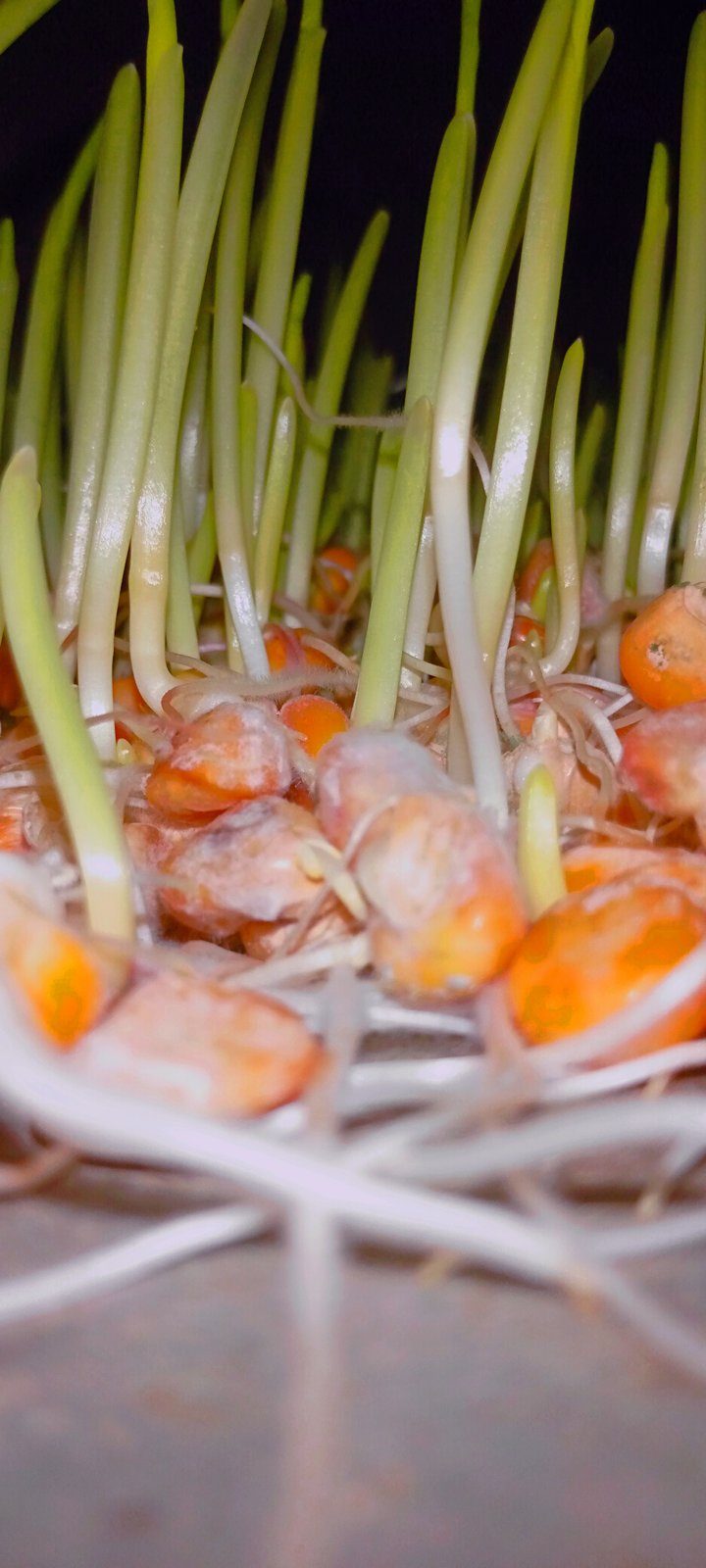 shootsgrainsroots
| Dicot seed (gram, pea, bean) | Monocot seed (maize, wheat) | |
|---|---|---|
| Cotyledons | Two, fleshy, store food | One, the scutellum |
| Endosperm | Absent in mature gram, pea, bean (present in castor) | Bulky, stores food (absent in orchids) |
| Seed coat | Testa and tegmen | Membranous, fused with fruit wall |
| Sheaths on plumule and radicle | None | Coleoptile and coleorhiza |
Sort the seeds by where they keep their food.
Don't mix these up
- Coleoptile covers the plumule (shoot). Coleorhiza covers the radicle (root); "rhiza" means root.
- Hilum is a scar; micropyle is a pore above it.
- Castor: dicot but endospermic. Orchid: monocot but non-endospermic.
Just remember
No deeper reason for these: they are names, and two exceptions. The Greek and Latin roots are the best hooks.
- Testa (outer), tegmen (inner)
- Testa is Latin for a pot or shell: the hard outside. Tegmen is from tegere, to cover, like "protect" and "tegument": the lining under it. Shell first, lining under.
- Hilum is a scar; micropyle is a pore
- Micro-pyle = small gate (Greek pyle, gate). The hilum is the seed's navel, where its cord was attached.
- Coleoptile covers the plumule; coleorhiza covers the radicle
- Koleos = sheath in Greek. Rhiza = root (rhizome, mycorrhiza). So coleo-rhiza is the root's sheath, and the other one, -ptile, the shoot's.
- Scutellum: the single cotyledon of a cereal
- Latin for a little shield (scutum, a Roman soldier's shield): the shield pressed against the grain store.
- Aleurone layer: the protein-rich outer layer of the endosperm
- Greek aleuron = flour. It is the outermost layer of the flour store.
- Exceptions: castor is a dicot with endosperm; orchid is a monocot without
- Castor oil is pressed from the castor seed's oily endosperm: no endosperm, no castor oil. Orchid seeds are tiny (well under 2 mm) and have no endosperm: they must be fed by a fungus to sprout.
- Testa, tegmen
- Outer and inner layers of the seed coat.
- Hilum
- Scar where the seed was attached to the fruit.
- Micropyle
- Small pore above the hilum.
- Cotyledon
- Seed leaf, often full of stored food.
- Endosperm
- Food-storing tissue formed by double fertilisation.
- Aleurone layer
- Protein-rich outer layer of the endosperm in cereals.
- Scutellum
- The single shield-shaped cotyledon of a cereal grain.
Words to know
Gram, pea and bean seeds are non-endospermous. Where is their food stored?
- In the endosperm
- In the two cotyledons
- In the seed coat
In a maize grain, which part grows into the root when the seed germinates?
- Coleorhiza
- Radicle
- Plumule
- Scutellum
Why is a maize grain really a fruit, not just a seed?
- Its seed coat is fused with the fruit wall
- It has endosperm
- It has one cotyledon
Deep dive · optional
How can a seed sleep for 2,000 years?
Why a seed packs a lunch, how it can wait so long without eating, and what wakes it up, with three record-breakers: a date palm from the time of the Romans, a flower from the Ice Age and a lotus from a dried-up lake. The exam won't ask, but it makes the page stick.
The roots: a seed is a plant on pause
- Why does a seed carry a packed lunch?Because a baby plant cannot feed itself yet. It makes food only with green leaves in sunlight, and it has no leaves until its shoot has pushed up out of the soil. Everything before that, every cell of the new root and shoot, is paid for from the store: the endosperm, or cotyledons that have already swallowed it.
- How can it wait for months or years without eating?By drying out. A ripe seed holds less than about a tenth of its weight as water. With so little water, the chemistry of life almost stops, so the seed burns almost none of its store.
- Why does drying stop the chemistry?Because every reaction in a cell happens in water. Enzymes and the molecules they work on have to move and meet; in a nearly dry seed they are stuck in place, like people in a frozen crowd.
- Then why don't all seeds live for ever?Very slow damage still happens. Over the years oxygen and warmth wear down the membranes, proteins and DNA, and one day the embryo cannot repair itself any more. Cold, dry, airless places slow the damage: a desert, a frozen burrow, a seed bank's freezer.
- What wakes it up?Three things, in order. Water soaks in first and the seed swells. Oxygen lets the embryo respire, that is, burn its stored food for energy. A suitable temperature lets its enzymes work at a useful speed. Remove any one and the seed stays asleep.
- Where does the energy for sprouting come from?From respiration, the same reaction that keeps you alive: food plus oxygen gives energy. That is the bedrock. A seed is a small battery of food with a plant attached, and germination is the moment the plant starts drawing on the battery.
The first gulp of water is pure physics. Dry starch, protein and cell walls pull water in the way a dry sponge or a cotton wick does, so the seed swells fast for the first several hours, and a seed can end up taking in about its own weight of water or more. Physics does not care whether the seed is alive: even artificial "seeds" made of non-living material soak up water this way, and a dead seed swells like a live one. Then the uptake almost stops. In this quiet lag the living embryo checks and repairs itself and switches its respiration back on. Only then does uptake rise again, as cells stretch and the radicle pushes out. That moment, the root tip showing, is where germination ends and the seedling begins.
Try it: soak a seed, and take away water, air or life one at a time.
The size of the lunch fits the plant's life. A coconut carries a huge store of endosperm because it may land on a bare beach with no soil and no fresh water. Orchids go to the other extreme: their seeds are tiny and have no endosperm at all, so they sprout only if a fungus in the soil feeds them. That is why orchids, in NCERT's list, are the monocots without endosperm.
The stories
See it
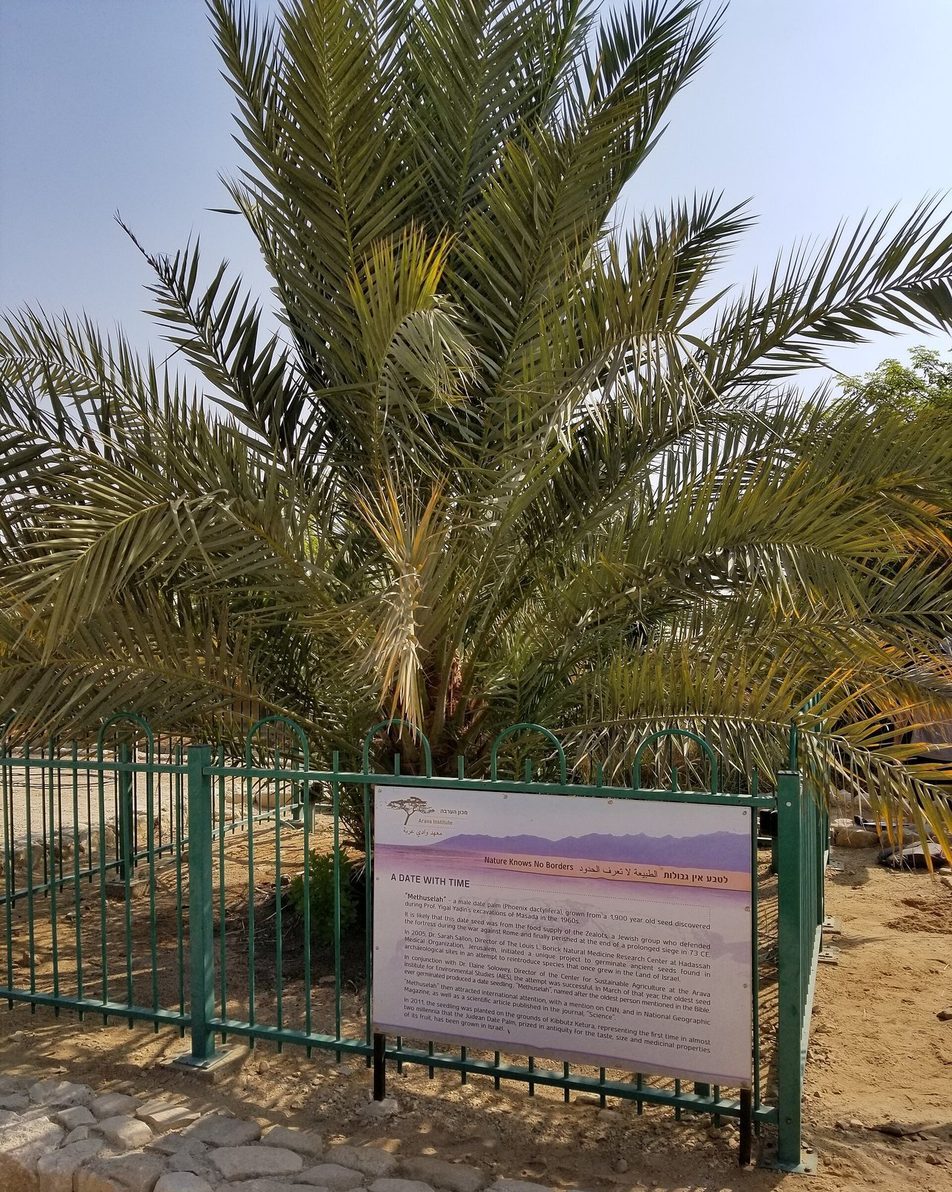 Methuselah
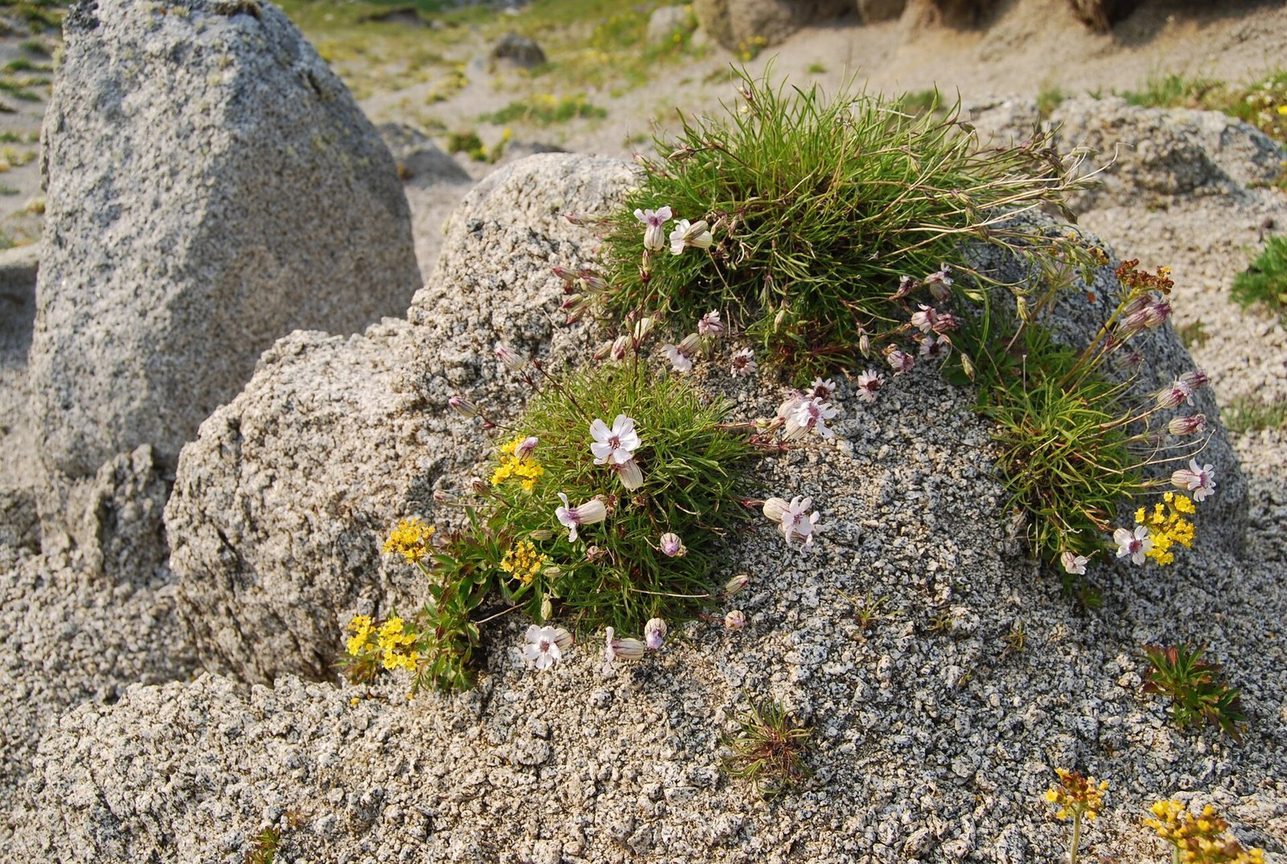 Silene flowers
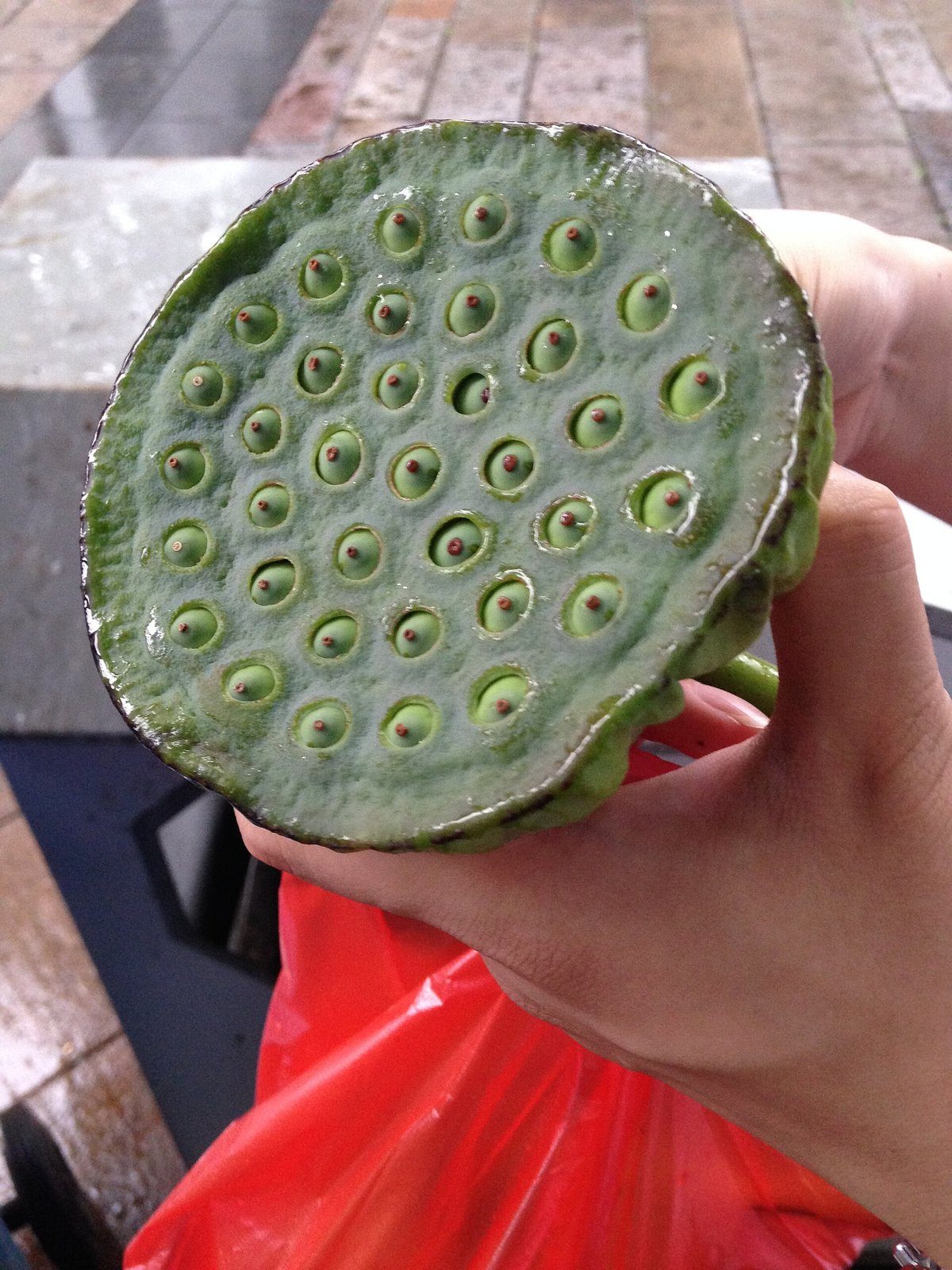 a seed in each hole
Solve it
Solve it
At night you soak 100 g of dry chana. In the morning it weighs about 200 g. Ten minutes later, you put a few of the swollen seeds in the pressure cooker and a few in a wet cloth. What happens to each, and what did the overnight soak alone prove about the seeds?
Hint
Answer
Solve it
Seed scientists list the lowest, best and highest temperatures for germination. Wheat: about 3 to 5 °C, 15 to 31 °C, 30 to 43 °C. Maize: about 8 to 10 °C, 32 to 35 °C, 40 to 44 °C. In north India, wheat is sown in November and maize in June or July. Do the seeds' own numbers agree with this calendar? What else might decide it?
Answer
A news headline says: "Scientists sprout 32,000-year-old seed from Siberian ice." What is wrong with it?
- The fruits were much younger
- The seeds did not sprout; plants were grown from tissue inside the fruit
- Silene is not a seed plant
Connect it
Connect it
- Where the endosperm comes from, Class 12. The food store is made by double fertilisation, and its fate (eaten up in gram, kept in castor) is explained in endosperm and embryo.
- The fruit around it, previous page. A maize grain is a whole fruit with the seed coat fused to the fruit wall; the coconut's kernel and water are its seed's endosperm.
- Burning the lunch, Class 11 Ch 12. A waking seed needs oxygen for the same reason you do: respiration releases the energy in stored food.
- Staying asleep on purpose, Class 11 Ch 13. Some seeds will not sprout even with water, air and warmth until a hormone signal changes; abscisic acid keeps seeds dormant.
- In your kitchen. Moong and chana sprouts are seeds you have woken on purpose: soaked (phase I), left damp and airy (phase II) until the white radicle shows (phase III). Dal is the cotyledons with the seed coat taken off and the halves split apart.
Still confused?
If a seed is "asleep", is it alive?
Yes. Its cells are alive but working so slowly that you cannot measure it easily. That is why the only sure test is to give it water, air and warmth and see whether a root comes out. Seed banks test samples this way from time to time.
Gram has no endosperm. Did it never make one?
It did make one, by double fertilisation, like every flowering plant. While the seed was developing, the embryo's cotyledons absorbed the endosperm's food and stored it themselves. "Non-endospermous" describes the mature seed, not its history.
Why do the coleoptile and coleorhiza matter, if they are just sheaths?
A grass shoot has to push up through soil, and its growing tip and first leaves are delicate. The coleoptile is a stiff, closed tube that bores up through the soil with the plumule safe inside it, then stops growing when it reaches light and the first leaf breaks through. The coleorhiza does the same job for the radicle as it breaks out of the grain.
Sources
- Wikipedia: Judean date palm (Masada seeds, Methuselah, Hannah, publications)
- Sallon et al. (2008), Germination, genetics, and growth of an ancient date seed, Science 320: 1464
- Popular Archaeology (2020): six more Judean date seeds germinated, on Sallon et al., Science Advances 6: eaax0384
- Wikipedia: Silene stenophylla, on Yashina et al. (2012), PNAS 109: 4008
- Wikipedia: Nelumbo nucifera (the 1,300-year-old lotus seed)
- Saupe, College of St Benedict and St John's University: Seed physiology lecture notes (water content, uptake, requirements, temperature ranges from Noggle and Fritz)
- Louf et al. (2018), Imbibition in plant seeds, Physical Review E 98: 042403
- University of Florida, Plant propagation: germination (imbibition, lag phase, radicle emergence)
- Wikipedia: Orchid mycorrhiza (orchid seeds lack endosperm)
Picture and video credits
Show 10 picture and video credits
- chana-seeds-close.jpg: Bff, CC BY-SA 3.0
- broad-bean-split-cotyledons.jpg: Bodhi Peace, CC BY-SA 4.0
- bean-embryo-on-cotyledon.jpg: Yuliya Krasylenko, CC BY 4.0
- castor-seeds-zell.jpg: H. Zell, CC BY-SA 3.0
- wheat-grain-section.jpg: Curtis Clark, CC BY-SA 3.0
- mung-bean-germination.mp4: Wjh31, CC BY-SA 3.0
- maize-seeds-germinating.jpg: TheMbgold (MBart), CC BY-SA 4.0
- methuselah-date-palm.jpg: DASonnenfeld, CC BY-SA 4.0
- silene-stenophylla.jpg: Maria Khoreva, CC BY 4.0
- lotus-seeds.jpg: そらみみ (Soramimi), CC BY-SA 4.0


