Act 11NCERT §4.2.11.6–4.2.11.7 · pp. 49–526 min
Birds and mammals
The four-legged animal becomes a bird: front limbs turned into feathered wings, a beak, light bones, air sacs and a keel for the flight muscles.
Arms become wings; the body keeps its own heat.
From the textbookpp. 49–52
NCERT Biology, Class 11 · Reprint 2026-27
11.0The big idea
Warm blood, four chambers.
Birds and mammals are the two warm-blooded classes with four-chambered hearts. Birds are defined by feathers; mammals by hair and milk glands.
Full text
The big ideaBirds and mammals are the two warm-blooded classes with four-chambered hearts: birds are defined by feathers, mammals by hair and milk glands.
In simple words
A pigeon and a dog both stay warm on a cold morning, whatever the weather. That's because their bodies make and hold their own heat. The pigeon has feathers, light hollow bones and wings for arms. The dog has hair, outer ears and, like every mother in its group, feeds its babies on milk.
11.1Class Aves
Built to fly
Feathers and a beak. Forelimbs are modified into wings.
Usually scaly: for walking, swimming or gripping a branch.
Long bones hollow, with air spaces: pneumatic.
Air sacs connected to the lungs add to respiration.
A constant body temperature, and a four-chambered heart.
11.2Found only in birds
A feather, and a grinding stone
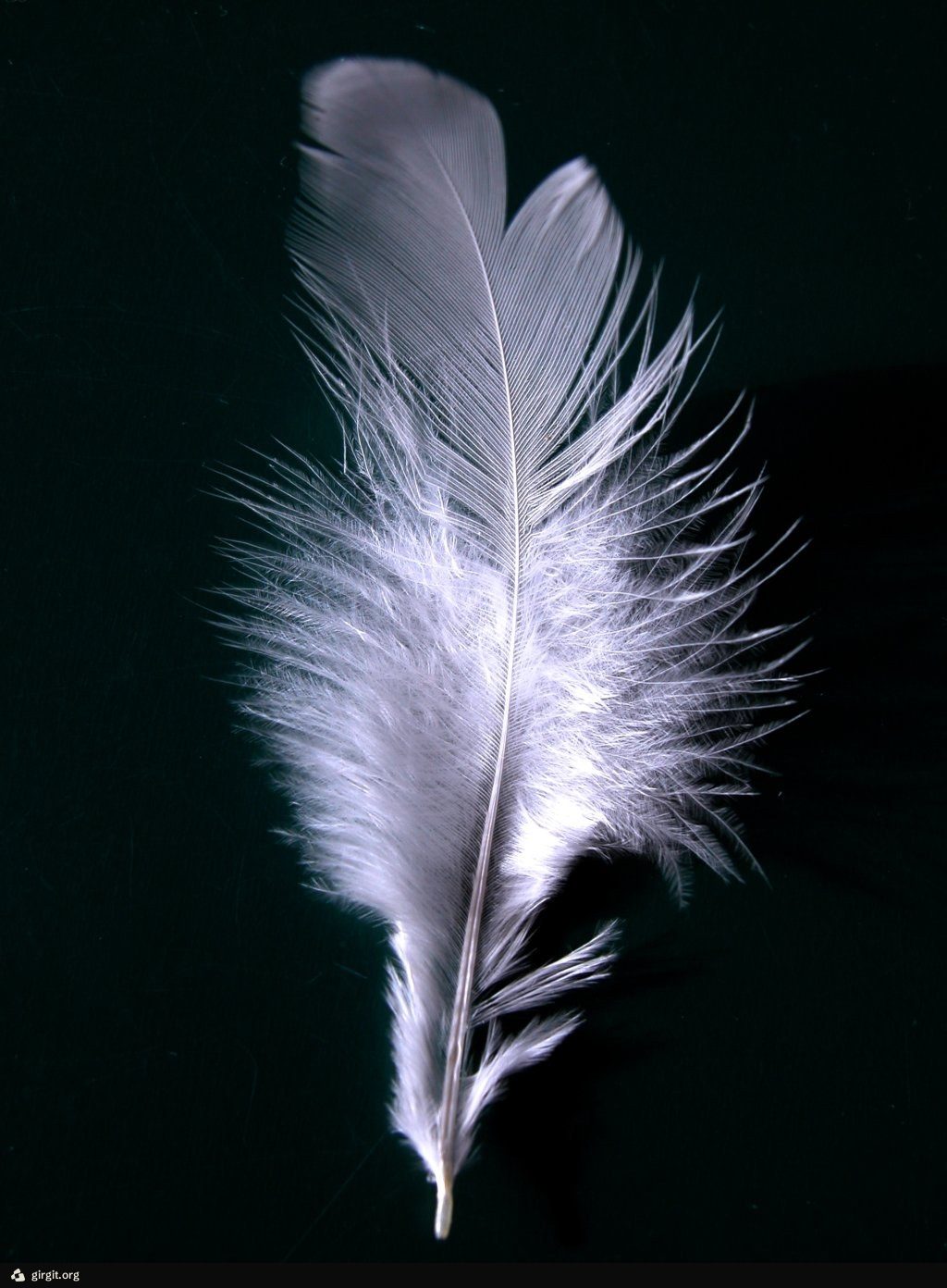
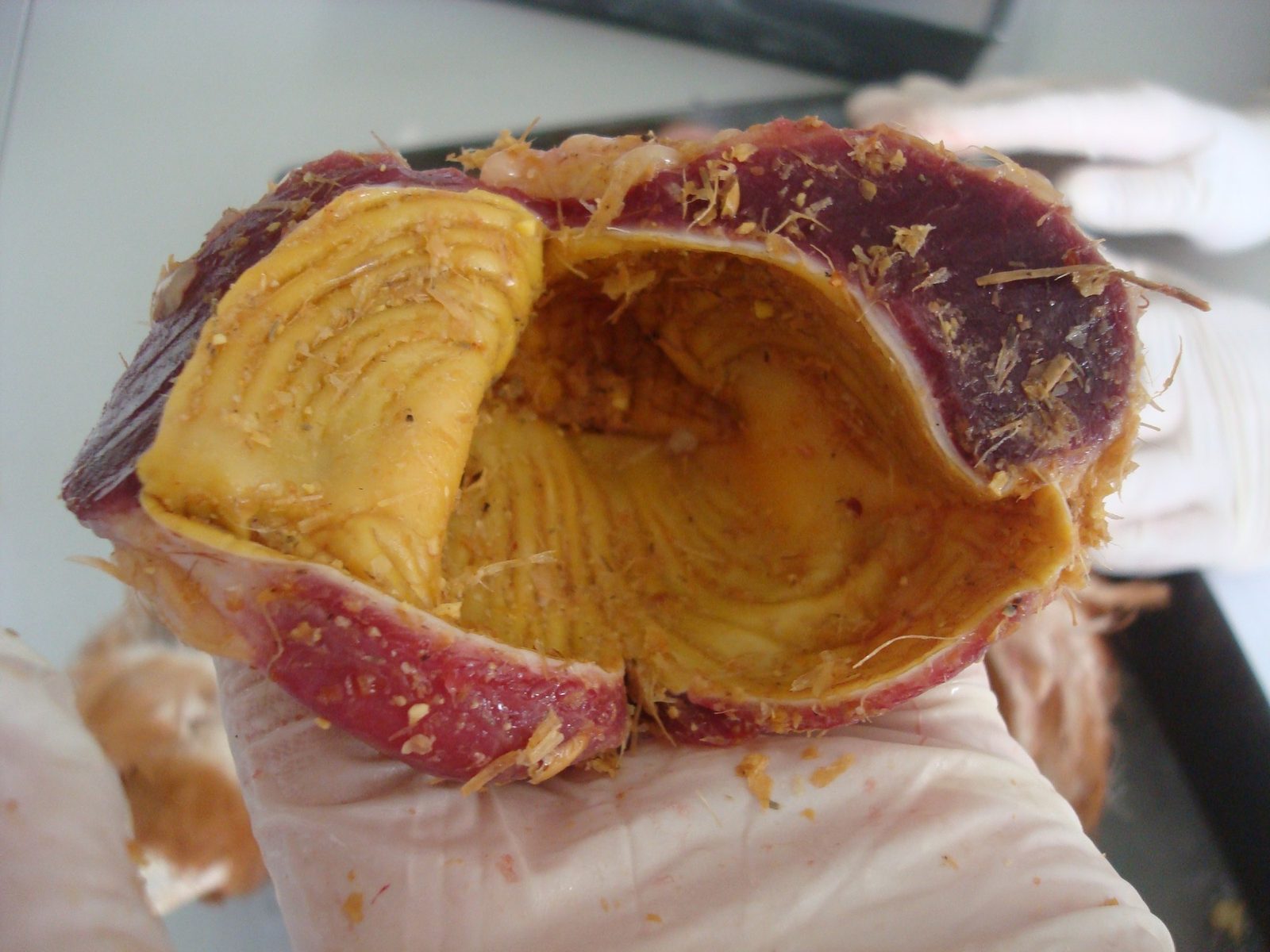
Except one oil gland near the tail: its oil waterproofs the feathers.
The crop stores food; the gizzard grinds it, like a chakki.
11.3A kingfisher, in five seconds
Light bones, hot body
Like a bicycle frame: tubes nearly as strong as rods, far lighter.
Fed by a heart that never mixes the blood.
Ready at dawn, in winter, in cold water.
11.4A bird's heart
4chambers
completely divided
Full text
Class Aves: birds
The two marks of a bird: feathers and a beak. Most can fly, but not the flightless birds such as the ostrich.
- Forelimbs are modified into wings.
- Hind limbs are usually scaly, and suited to walking, swimming or gripping a branch.
- Skin is dry, with no glands apart from one oil gland near the root of the tail (its oil waterproofs the feathers).
- Endoskeleton is fully ossified (bony). The long bones are hollow, with air spaces inside: they are pneumatic.
- The gut has two extra chambers: the crop (stores food) and the gizzard (grinds it).
- Heart completely four-chambered.
- Warm-blooded or homoiothermous: they keep a constant body temperature.
- Breathing by lungs; air sacs connected to the lungs add to respiration.
- Sexes separate. Fertilisation internal. Oviparous; development direct.
Hollow bones are like the frame of a bicycle: tubes are almost as strong as solid rods but much lighter, which is just what a flying body needs.
Examples: Corvus (crow), Columba (pigeon), Psittacula (parrot), Struthio (ostrich), Pavo (peacock, India's national bird), Aptenodytes (penguin), Neophron (vulture).
- Sexes separateFertilisation internal.
- OviparousDevelopment direct.
- Most can flyNot the flightless birds, such as the ostrich.
CheckPneumatic bones
Why hollow?
Why are a bird's long bones hollow?
- They are made of cartilage
- To make the skeleton light for flight
- To store food
11.5Birds you will meet
Peacock, vulture, parrot, ostrich
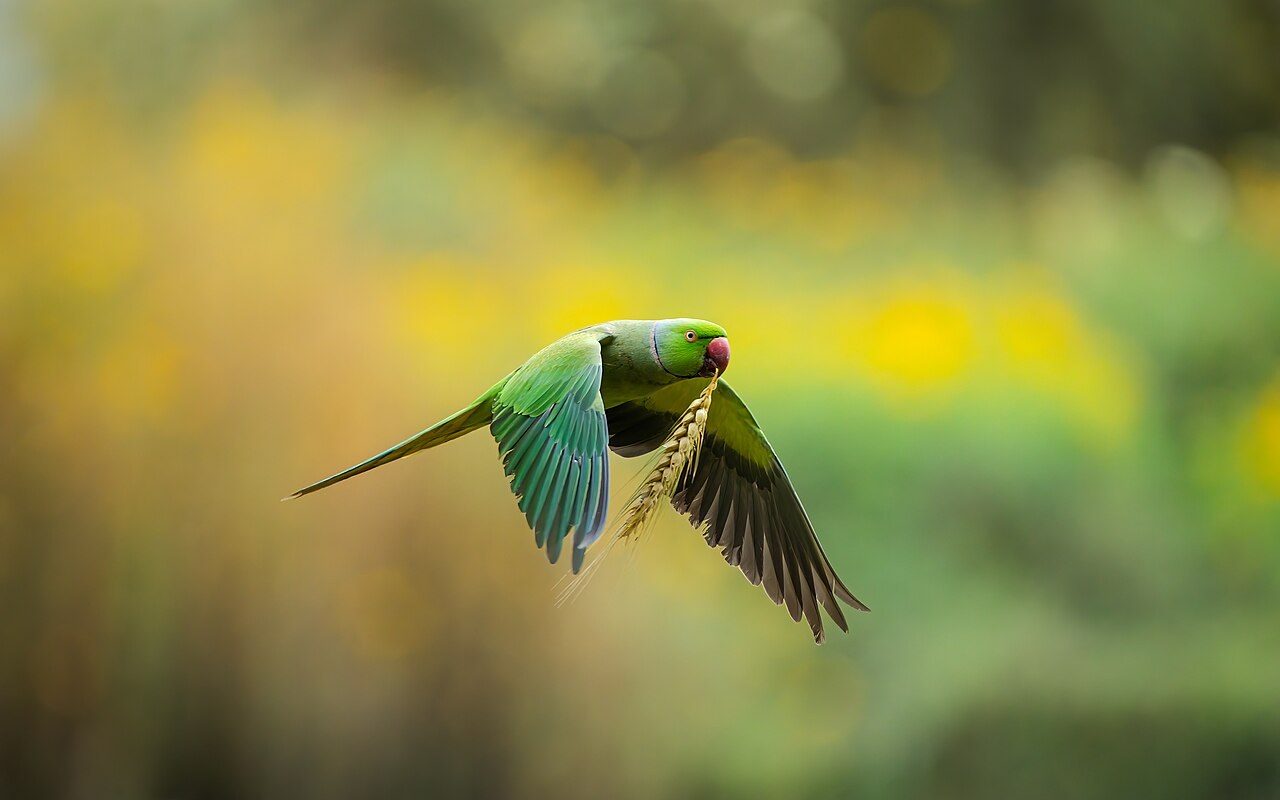
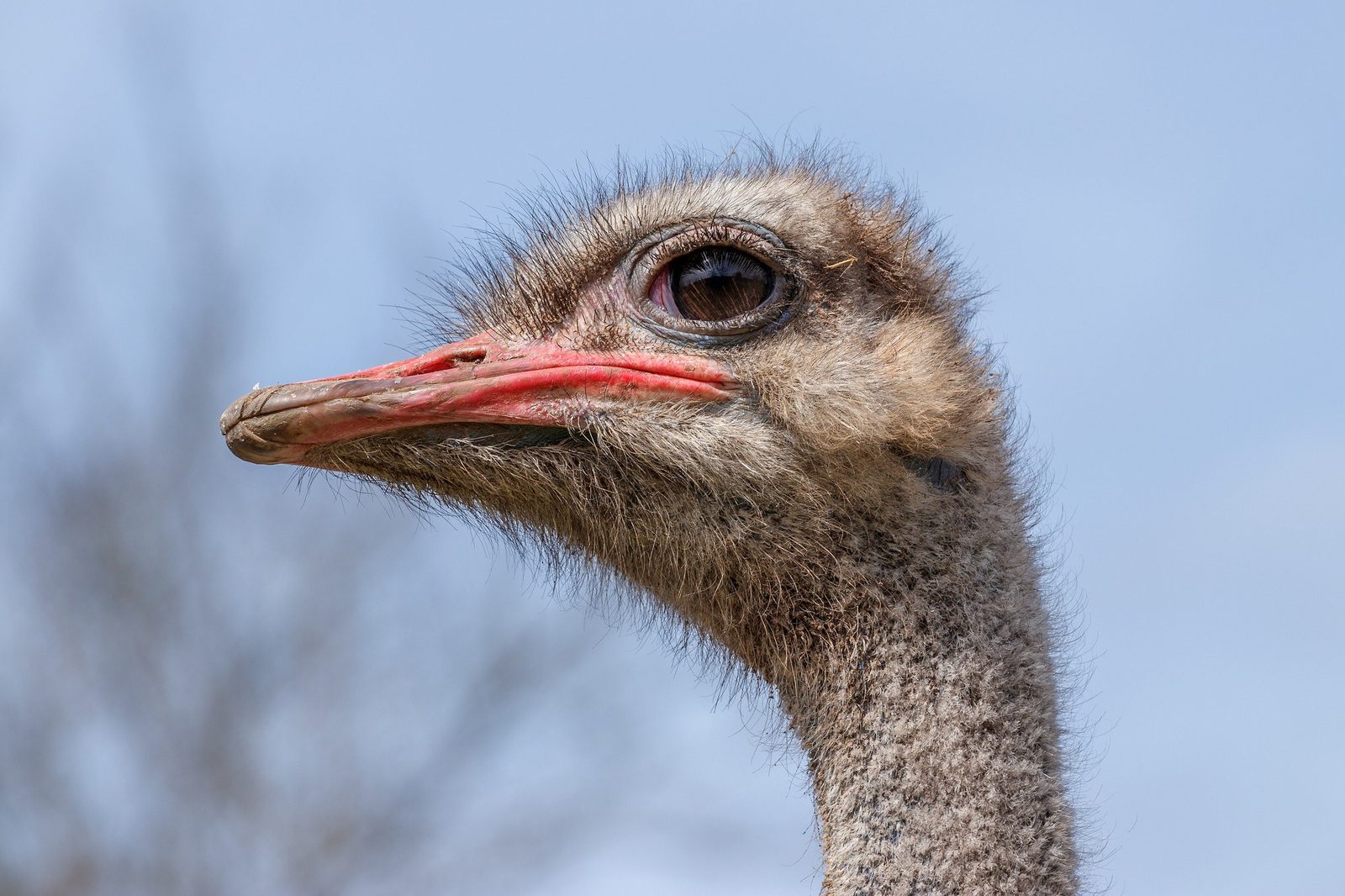
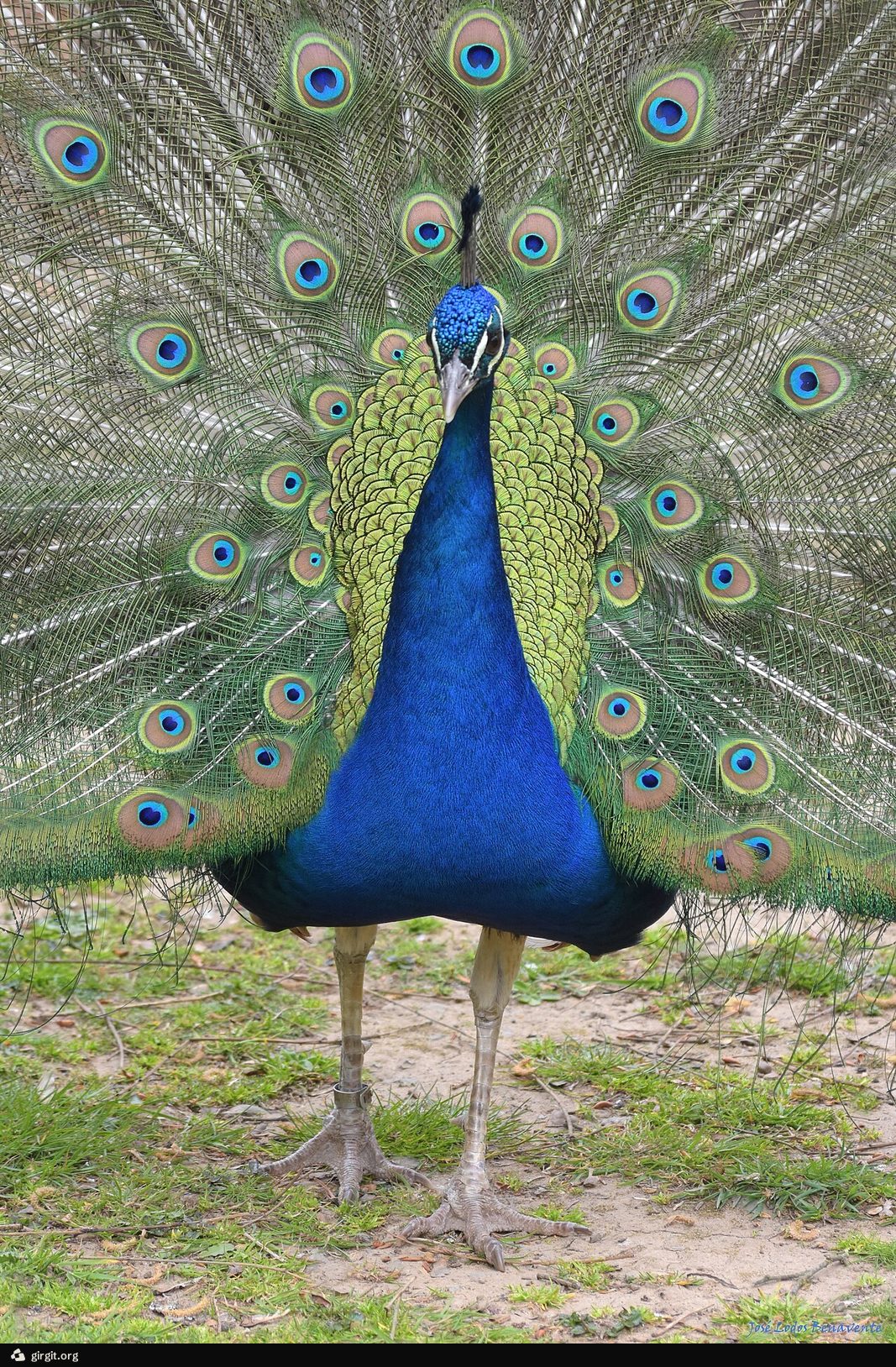
The peacock, India's national bird.
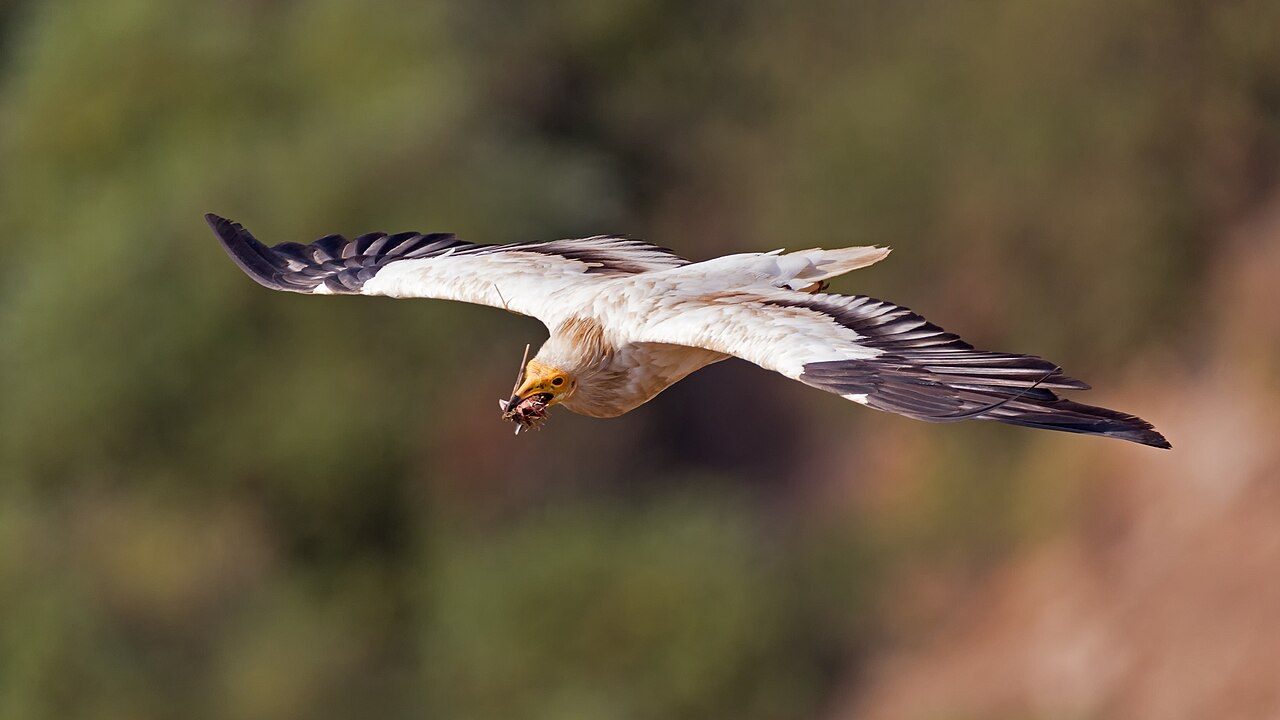
The vulture: pneumatic bones for long glides.
The parrot.
The ostrich: a flightless bird.
11.6Class Mammalia
Named after milk
- Mammary glands: the most unique featureMilk to feed the young.
- Hair on the skin; pinnaeExternal ears (singular pinna).
- Different types of teethCutting, tearing, grinding.
- Four-chambered heart, homoiothermousBreathing by lungs.
Full text
Class Mammalia: mammals
Mammals live almost everywhere: polar ice caps, deserts, mountains, forests, grasslands, dark caves. Some fly (bats) and some live in water (whales, dolphins).
The most unique mammal feature is mammary glands: milk-producing glands that feed the young. The class is named after them.
- Two pairs of limbs, shaped for whatever the animal does: a horse runs, a mole digs, a monkey climbs, a dolphin swims, a bat flies.
- Skin with hair: unique to mammals.
- External ears, the pinnae (singular pinna).
- Different types of teeth in the jaw (cutting, tearing, grinding).
- Heart four-chambered. Homoiothermous. Breathing by lungs.
- Sexes separate. Fertilisation internal. Viviparous with few exceptions; development direct.
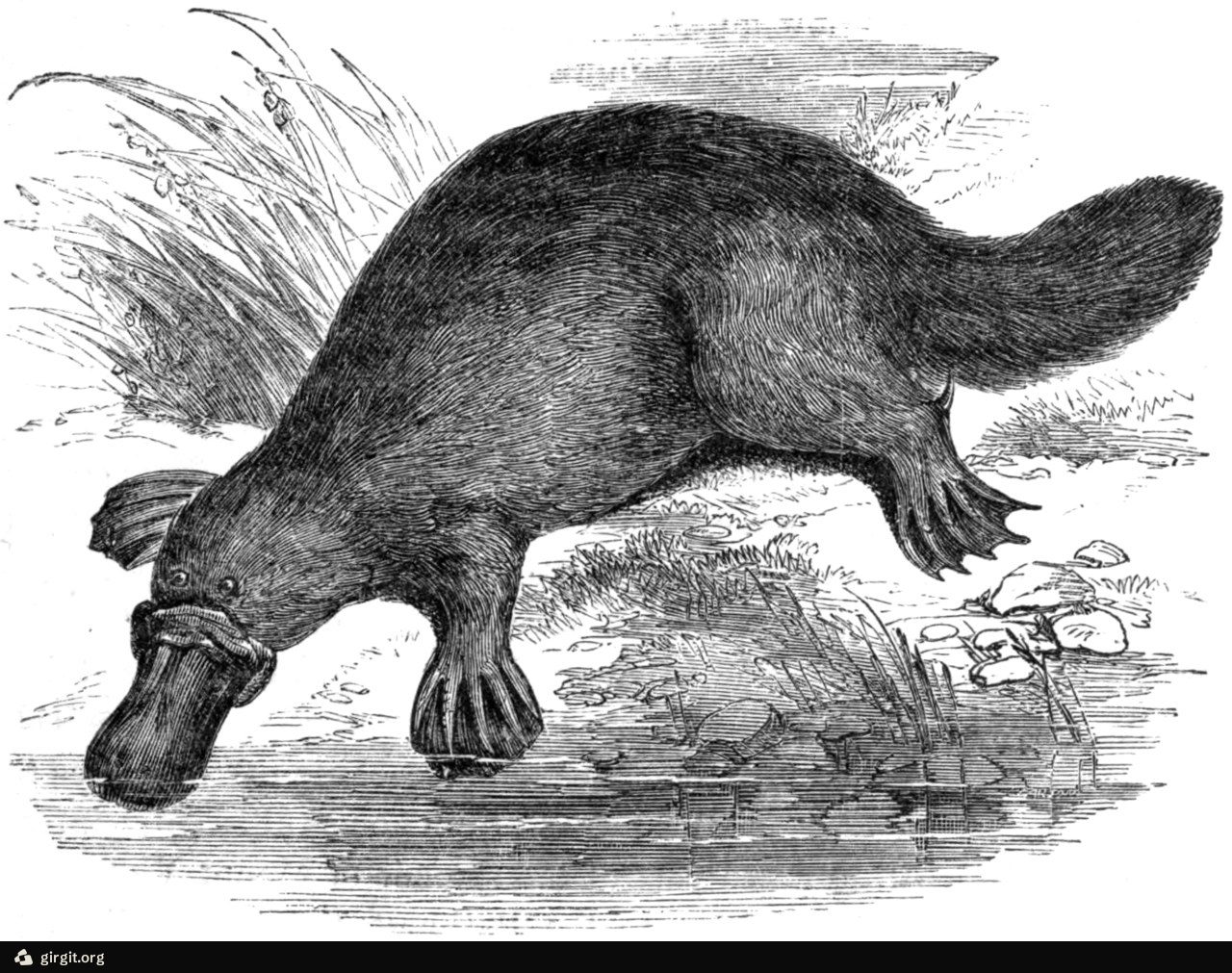
The big exception: Ornithorhynchus, the platypus, is a mammal that lays eggs (oviparous). It still has hair and feeds its young on milk.
| Genus | Common name | Why remember it |
|---|---|---|
| Ornithorhynchus | Platypus | Egg-laying mammal |
| Macropus | Kangaroo | Pouched; "macro-pus" = big foot |
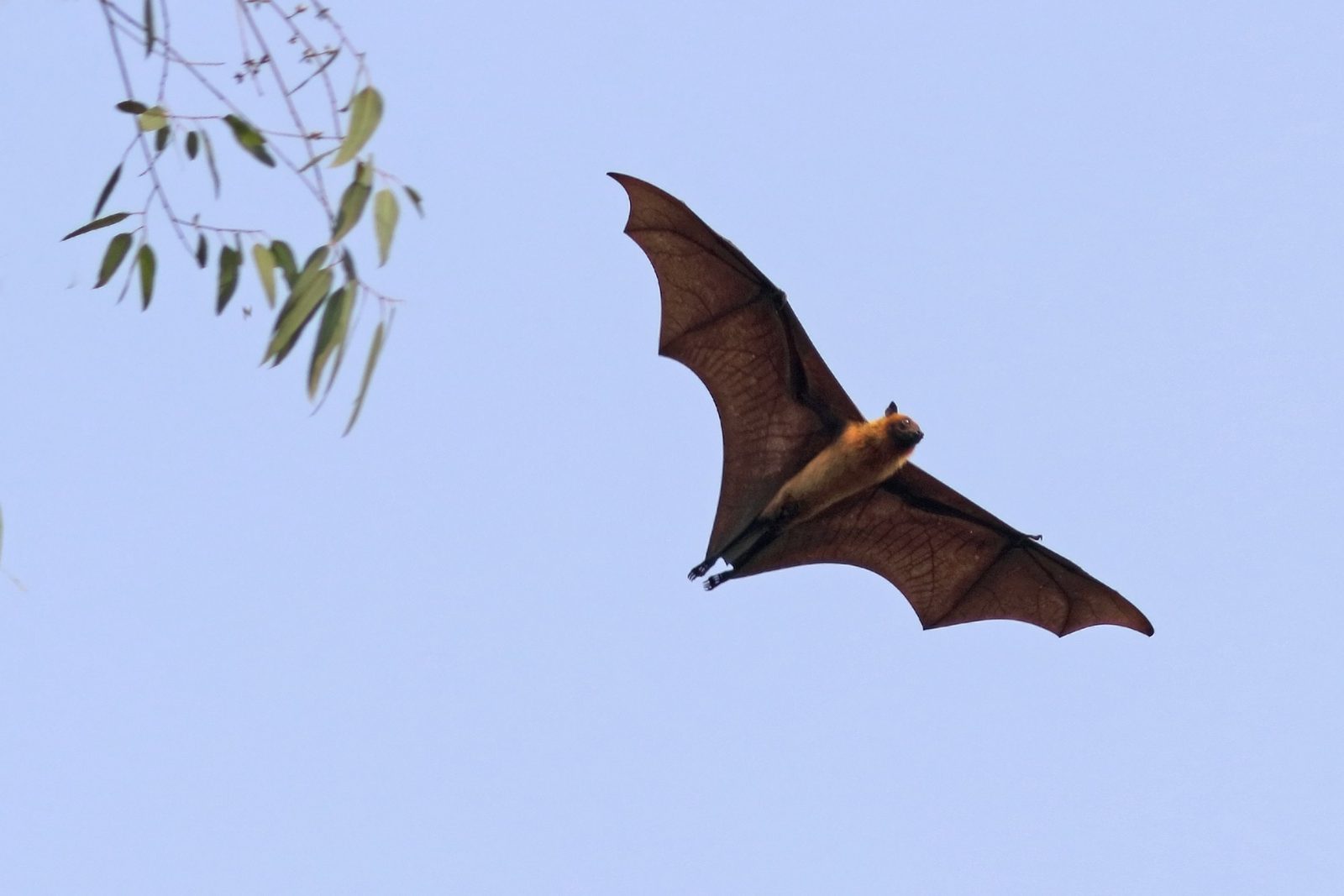
| Pteropus | Flying fox | A fruit bat: a flying mammal |
| Camelus | Camel | Desert |
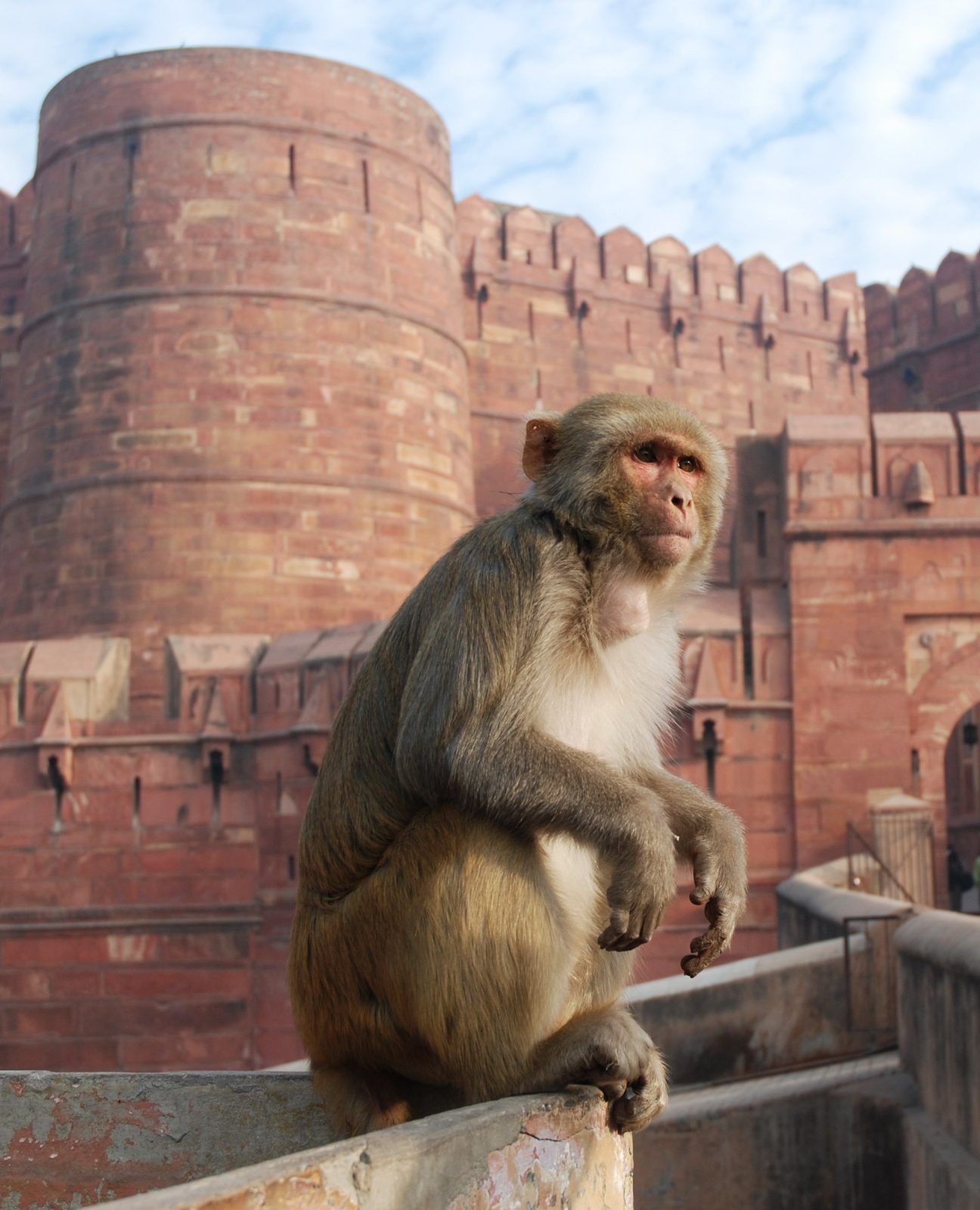
| Macaca | Monkey | The rhesus monkey of Indian temples |
| Rattus, Canis, Felis | Rat, dog, cat | Everyday mammals |
| Elephas, Equus | Elephant, horse | Land giants and runners |
| Delphinus | Common dolphin | Aquatic mammal |
| Balaenoptera | Blue whale | Largest animal ever; aquatic mammal |
| Panthera tigris, Panthera leo | Tiger, lion | Same genus, different species |
11.7Polar ice to dark caves
Two pairs of limbs, any job
A horse runs, a mole digs, a monkey climbs, a dolphin swims, a bat flies: Pteropus, the flying fox. Mammals live in deserts, mountains, forests, grasslands; whales and dolphins in water.
11.8The big exception
A mammal that lays eggs
Mammals: sexes separate, fertilisation internal, viviparous with few exceptions, development direct. Ornithorhynchus, the platypus, is oviparous, yet has hair and feeds its young on milk.
CheckEggs and milk
Why a mammal?
The platypus is a mammal because it
- lays eggs
- has hair and feeds its young on milk
- has a four-chambered heart
11.9Names to know
Seven birds, fourteen mammals
- Corvus
- Crow
- Columba
- Pigeon
- Psittacula
- Parrot
- Struthio
- Ostrich
- Pavo
- Peacock
- Aptenodytes
- Penguin
- Neophron
- Vulture
Aves
- Ornithorhynchus
- Platypus · lays eggs
- Macropus
- Kangaroo · pouched, "big foot"
- Pteropus
- Flying fox · a fruit bat
- Camelus
- Camel · desert
- Macaca
- Monkey · the rhesus of Indian temples
- Rattus, Canis, Felis
- Rat, dog, cat
- Elephas, Equus
- Elephant, horse
- Delphinus
- Common dolphin · aquatic
- Balaenoptera
- Blue whale · largest animal ever
- Panthera tigris, P. leo
- Tiger, lion · same genus
Mammalia
CheckBirds and mammals, not reptiles
What do they share?
Which feature is shared by birds and mammals but not reptiles in general?
- Internal fertilisation
- A constant body temperature
- Laying eggs
- Pneumatic bones
11.10All seven vertebrate classes
Seven classes at a glance
Squares: heart chambers. cold or warm blood.
Cyclostomata
–
- Covering
- No scales
- Temperature
- Cold
- Fertilisation
- Spawn in fresh water
- Babies
- Larva, metamorphosis
Chondrichthyes
2
- Covering
- Placoid scales
- Temperature
- Cold
- Fertilisation
- Internal
- Babies
- Many viviparous
Osteichthyes
2
- Covering
- Cycloid or ctenoid scales
- Temperature
- Cold
- Fertilisation
- Usually external
- Babies
- Mostly oviparous
Amphibia
3
- Covering
- Moist skin, no scales
- Temperature
- Cold
- Fertilisation
- External
- Babies
- Oviparous, indirect
Reptilia
3, crocodile 4
- Covering
- Dry skin, scales or scutes
- Temperature
- Cold
- Fertilisation
- Internal
- Babies
- Oviparous, direct
Aves
4
- Covering
- Feathers
- Temperature
- Warm
- Fertilisation
- Internal
- Babies
- Oviparous, direct
Mammalia
4
- Covering
- Hair
- Temperature
- Warm
- Fertilisation
- Internal
- Babies
- Mostly viviparous, direct
Full text
All seven vertebrate classes at a glance
| Class | Covering | Heart chambers | Body temperature | Fertilisation | Babies |
|---|---|---|---|---|---|
| Cyclostomata | No scales | Not stated | Cold | Spawn in fresh water | Larva, metamorphosis |
| Chondrichthyes | Placoid scales | 2 | Cold | Internal | Many viviparous |
| Osteichthyes | Cycloid or ctenoid scales | 2 | Cold | Usually external | Mostly oviparous |
| Amphibia | Moist skin, no scales | 3 | Cold | External | Oviparous, indirect |
| Reptilia | Dry skin, scales or scutes | 3 (crocodile 4) | Cold | Internal | Oviparous, direct |
| Aves | Feathers | 4 | Warm | Internal | Oviparous, direct |
| Mammalia | Hair | 4 | Warm | Internal | Mostly viviparous, direct |
Don't mix these up
- Crop and gizzard: birds only (crow, pigeon, parrot, peacock). Not crocodiles, chameleons or fish in this textbook.
- Pneumatic bones: birds (Neophron), not reptiles or mammals.
- Unique to mammals: hair, pinna, mammary glands. A tympanum is also found in frogs and reptiles, so it is not unique.
- "All mammals are viviparous" is false: the platypus lays eggs.
- Aquatic mammals: whales, dolphins, seals. Sharks and stingrays (Trygon) are fish.
- Warm-blooded = birds and mammals only. Fish, amphibians and reptiles are cold-blooded.
Try itTwenty questions
One class left
Which single question splits the vertebrates most evenly?
Try itSort them
Bird or mammal?
Drop each feature or animal in its class.
11.11Don't mix these up
Only birds, only mammals
Trap
All mammals are viviparous
Fact
The platypus lays eggs
Only birds: crop, gizzard, pneumatic bones. Only mammals: hair, pinna, mammary glands; a tympanum is not unique. Sharks and stingrays (Trygon) are fish.
Don't mix these up
- Crop and gizzard: birds only (crow, pigeon, parrot, peacock). Not crocodiles, chameleons or fish in this textbook.
- Pneumatic bones: birds (Neophron), not reptiles or mammals.
- Unique to mammals: hair, pinna, mammary glands. A tympanum is also found in frogs and reptiles, so it is not unique.
- "All mammals are viviparous" is false: the platypus lays eggs.
- Aquatic mammals: whales, dolphins, seals. Sharks and stingrays (Trygon) are fish.
- Warm-blooded = birds and mammals only. Fish, amphibians and reptiles are cold-blooded.
KeepJust remember
Names that describe
Tap a card for its hook.
WordsTo know
Six words
- Pneumatic bones
- Hollow bones with air spaces, as in birds.
- Crop, gizzard
- A bird's food store, and its muscular grinding chamber.
- Air sacs
- Bags joined to a bird's lungs that help breathing.
- Homoiothermous
- Warm-blooded: keeps a constant body temperature.
- Mammary glands
- Glands that make milk for the young.
- Pinna
- The outer ear flap.
NEETAsked in the exam
The real thing
RootsReactions, 40 °C against 20 °C
4× faster
about twice for every 10 °C; paid for in food
- Full speed, all dayA crow is ready at dawn; a lizard waits for sun.
- Heat costs foodMany times a cold-blooded animal's meals.
- Four chambers, insulation, efficient lungsFuel and oxygen, delivered fast.
- Flight costs mostLight bones, no teeth, wings from forelimbs.
See itAir sacs
Fresh air on the out-breath
Air sacs push air through the lungs one way, breathing in and out.
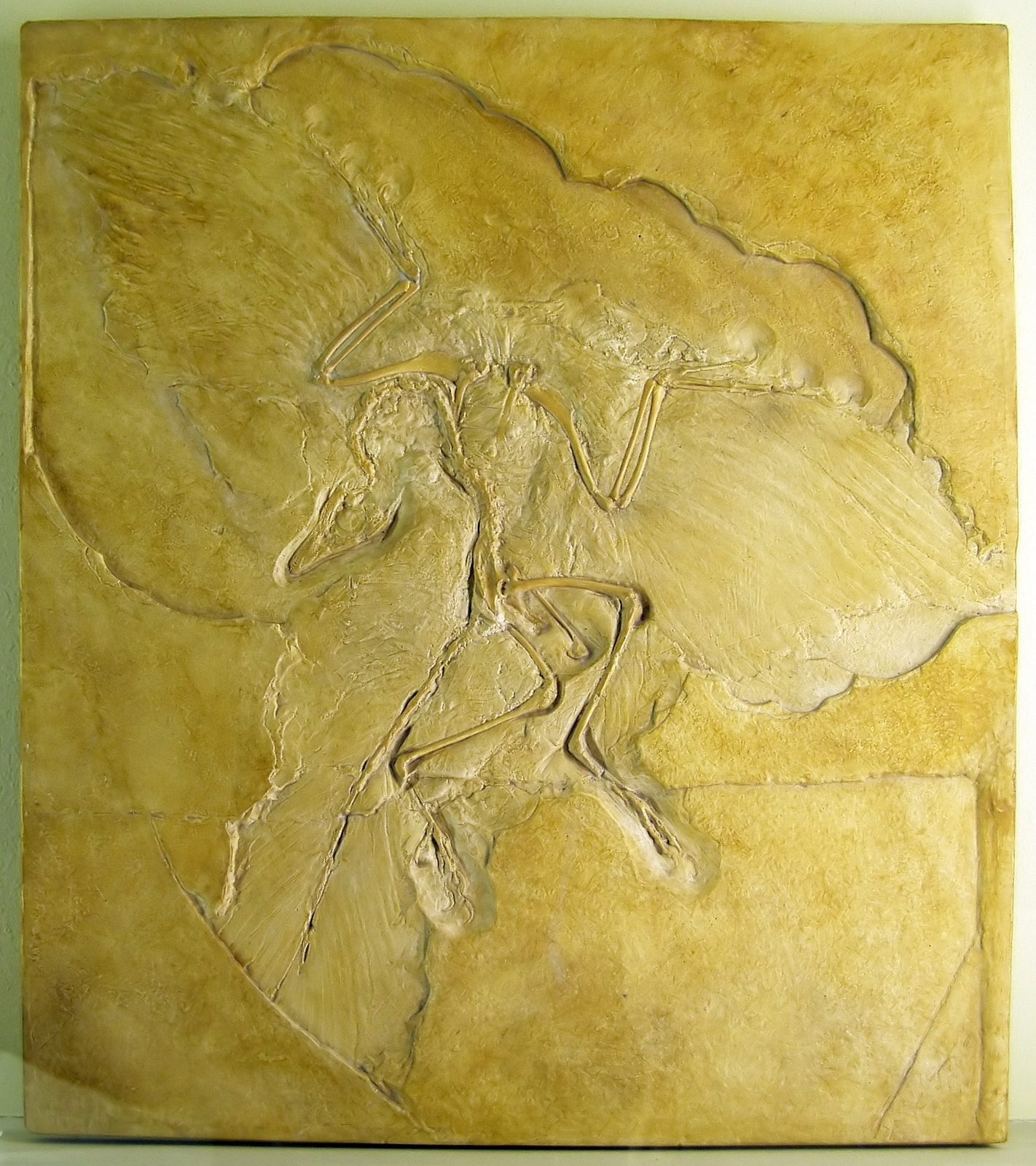
Story1861, Solnhofen, Bavaria · after On the Origin of Species
Feathers before flight
- After Darwin's OriginA single feather, about 150 million years old.
- Then a skeletonTeeth, clawed fingers, a bony tail. British Museum, 1862, £700; Richard Owen.
- 1870s: a second, for BerlinFeathers first kept warm; birds came from reptiles.
StoryBritain to Australia · 85 years to an answer
A duck's bill sewn on?
- 1799George Shaw"Impossible not to entertain some doubts as to the genuine nature of the animal." The scissors story is a legend.
- 1884August: William CaldwellA female with an egg; a cable to Montreal: "Monotremes oviparous, ovum meroblastic."
Story2018, Kozhikode, Kerala · Nipah virus
13of 52
flying foxes carried the virus, 99.7 to 100% identical to the patients'
- The Indian flying foxPteropus: wings up to about 1.5 m, a fruit bat.
- A mammal, not a birdHair, milk, live young.
Solve itTwo problems and a check
Your turn
Solve it
A new animal is found: it has a beak, lays eggs, is warm-blooded, has fur, and feeds its young on milk from patches of skin. Bird or mammal? Which single feature settles it, and which ones are traps?
Answer
Solve it
A common rule of thumb in biology is that many body reactions run about twice as fast for every 10 °C rise in temperature. A lizard's body is at 20 °C on a cool morning; a bird's is at 40 °C. Roughly how much faster do the bird's reactions run? What does the bird pay for that?
Answer
Why do a bird's lungs get fresh air even while it breathes out?
- Its diaphragm pumps the lungs
- Air stored in its air sacs is pushed through the lungs
- Its hollow bones breathe for it
ConnectAnd still confused?
Where this goes next
Connect it
- Hearts, Ch 15. Why four chambers matter: double circulation.
- Breathing, Ch 14. Our tidal lungs, for comparison: the mechanism of breathing.
- Evolution, Class 12. Archaeopteryx and connecting links: evidences for evolution.
- The peacock. Pavo cristatus, the Indian peafowl, is India's national bird.
Bats fly. Are they birds?
No. Bats have hair, pinnae and mammary glands, and give birth to live young: mammals. Their wings are skin stretched between long finger bones, not feathers on an arm. Flight evolved separately in bats and birds.
Whales live in the sea and have fins. Why aren't they fish?
They breathe air with lungs, are warm-blooded, have a few hairs (in some, only before birth), give birth to live young and feed them milk. The blue whale (Balaenoptera) is a mammal that returned to the water.
Sources
- Unidirectional airflow in the lungs of birds (review)
- Natural History Museum: the London Archaeopteryx
- The isolated Archaeopteryx feather (2019 study)
- Museum of Hoaxes: the duck-billed platypus (Shaw 1799)
- Caldwell (1887), The embryology of Monotremata and Marsupialia
- Yadav et al. (2019), Nipah virus in Pteropus bats, Kerala 2018, Emerging Infectious Diseases