Act 05NCERT §4.2.4–4.2.6 · pp. 42–446 min
Flatworms, roundworms and segmented worms
The two-layered jelly becomes a flatworm: flat, with a head, three layers and a branched gut with one opening.
A head, a tail, and a body packed solid.
From the textbookpp. 42–44
NCERT Biology, Class 11 · Reprint 2026-27
5.0The big idea
Three worms, three insides.
Flatworms have no body cavity, roundworms a false one, and segmented annelids a true coelom.
Full text
The big ideaThree kinds of worm show three steps up in body plan: flatworms have no body cavity, roundworms have a false one, and segmented annelids have a true coelom.
In simple words
Not all worms are the same. Some are flat like a ribbon and mostly live inside other animals, soaking up food. Some are round like a thread, with a tube for food from mouth to bottom. And some, like the earthworm in your garden, are made of many rings joined together, with a real space inside, blood in tubes, and muscles to wriggle through soil.
5.1Where they sit on the key
The third question
Bilateral and three-layered, all three. The body cavity splits them; segments mark the annelids.
- 1
Level of organisation?
CellularPorifera
Tissue, organ or organ system
- 2
Symmetry and germ layers?
Radial · two layersCoelenterataCtenophora
Bilateral · three layers
- 3
Body cavity?
NonePlatyhelminthes
False coelomAschelminthes
True coelom
- 4
Segmented?
NoMolluscaEchinodermataHemichordata
Yes
- 5
Notochord?
NoAnnelidaArthropoda
YesChordata
5.2Platyhelminthes · Aschelminthes · Annelida
Solid, false room, true room
Flattened top to bottom; tissue fills every gap.
Round in cross-section, with a false body cavity.
The first true coelom in our list, and a body of rings.
5.3Phylum Platyhelminthes
Flat, and mostly inside someone
Dorso-ventrally flattened: the flatworms. Most are endoparasites, living inside other animals, including us.
Plan
Body
- Symmetry
- Bilateral
- Layers · cavity
- Triploblastic · acoelomate
- Level
- Organ
Hold on
Parasite kit
- Grip
- Hooks and suckers
- Food
- Some absorb it through the body surface; a tapeworm has no gut
- Water, waste
- Flame cells: osmoregulation and excretion; cilia flicker like a flame
Young
Reproduction
- Sexes
- Hermaphrodite
- Fertilisation
- Internal
- Development
- Many larval stages
Full text
Phylum Platyhelminthes: flatworms
The body is flattened from top to bottom (dorso-ventrally flattened), hence the name flatworms. Most are endoparasites, living inside other animals, including humans.
- Bilateral, triploblastic, acoelomate, with an organ level of organisation.
- Parasitic forms have hooks and suckers to cling inside the host. Some absorb food straight through their body surface; a tapeworm has no gut at all.
- Special flame cells handle osmoregulation (keeping water and salt balanced) and excretion.
- Sexes not separate (hermaphrodite). Fertilisation internal. Development passes through many larval stages.
- Planaria, a free-living flatworm, has a high power of regeneration: cut it into pieces and each piece can grow into a whole worm.
Examples: Taenia (tapeworm), which can reach us through undercooked pork; Fasciola (liver fluke), common in the livers of sheep and cattle.
Not every flatworm is a parasite. Free-living planarians glide on a carpet of beating cilia; the long land planarian below, a Bipalium, often turns up on walls and paths in India after rain.
5.4Bipalium, filmed in India
Some flatworms glide free
They glide on a carpet of beating cilia; this one turns up on walls and paths after rain.
A high power: cut one into pieces, and each piece can grow a whole worm.
Try itGuess first
Cut a planarian
Predict what each piece becomes, then drag the cuts.
5.5Phylum Aschelminthes · roundworms
A tube, round all the way
- Organ system level, pseudocoelomateBilateral, triploblastic; free-living or parasites of plants and animals.
- Complete canal, muscular pharynxWaste via an excretory tube to an excretory pore.
- Separate sexes: dioeciousFertilisation internal; development direct or indirect.
Full text
Phylum Aschelminthes: roundworms
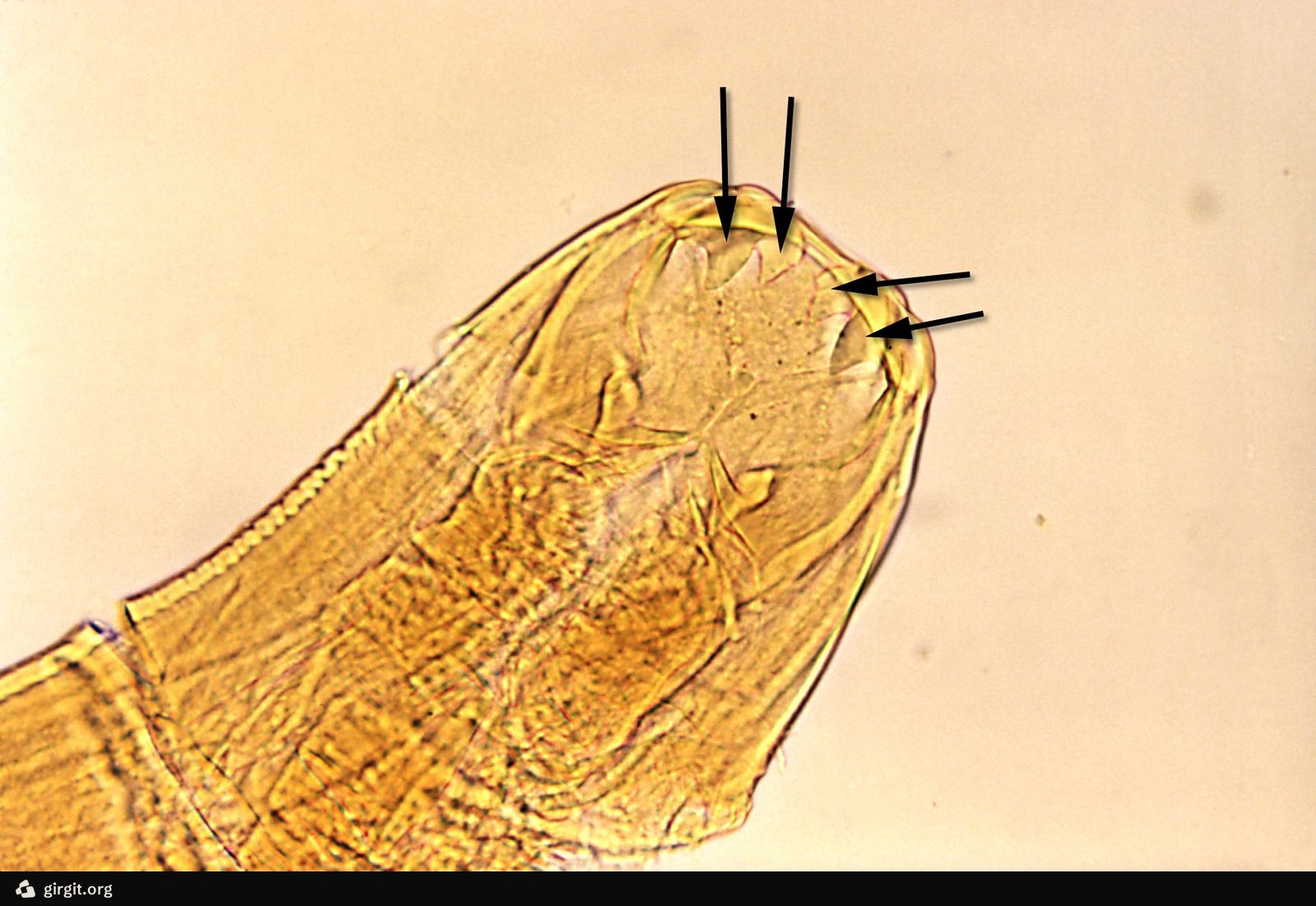
The body is circular in cross-section, hence roundworms. They can be free-living (in water or soil) or parasites of plants and animals.
- Organ system level, bilateral, triploblastic, pseudocoelomate.
- Complete alimentary canal with a well-developed muscular pharynx (the throat that sucks food in).
- Waste is collected from the body cavity by an excretory tube and leaves by a small opening, the excretory pore.
- Sexes are separate: they are dioecious. Females are often longer than males.
- Fertilisation internal. Development may be direct (the young look like small adults) or indirect (through a larva).
Examples, all human parasites that matter in India:
- Ascaris: the common intestinal roundworm, picked up from unwashed vegetables.
- Wuchereria: the filaria worm, spread by mosquitoes, causing elephantiasis (filariasis).
- Ancylostoma: the hookworm, which enters through bare feet.
CheckRound, not flat
What does the roundworm add?
Which pair of features would you find in a roundworm but NOT in a flatworm?
- A body cavity and a gut with two openings
- Bilateral symmetry and three germ layers
- Flame cells and suckers
- Segments and nephridia
5.6Human parasites that matter in India
Three ways in
- Ascaris, the intestinal roundwormFrom unwashed vegetables.
- Wuchereria, the filaria wormSpread by mosquitoes: elephantiasis (filariasis).
- Ancylostoma, the hookwormIn through bare feet.
CheckBare feet
Which worm got in?
A child walking barefoot in moist soil picks up a parasitic worm through the skin of the foot. It is most likely
- Taenia
- Ancylostoma
- Wuchereria
- Fasciola
5.7Phylum Annelida · annulus, "little ring"
A body of rings
- Segments outside and in: metameresSea, fresh water or land; mostly free-living, sometimes parasitic.
- Organ system level, coelomateBilateral, triploblastic, metamerically segmented.
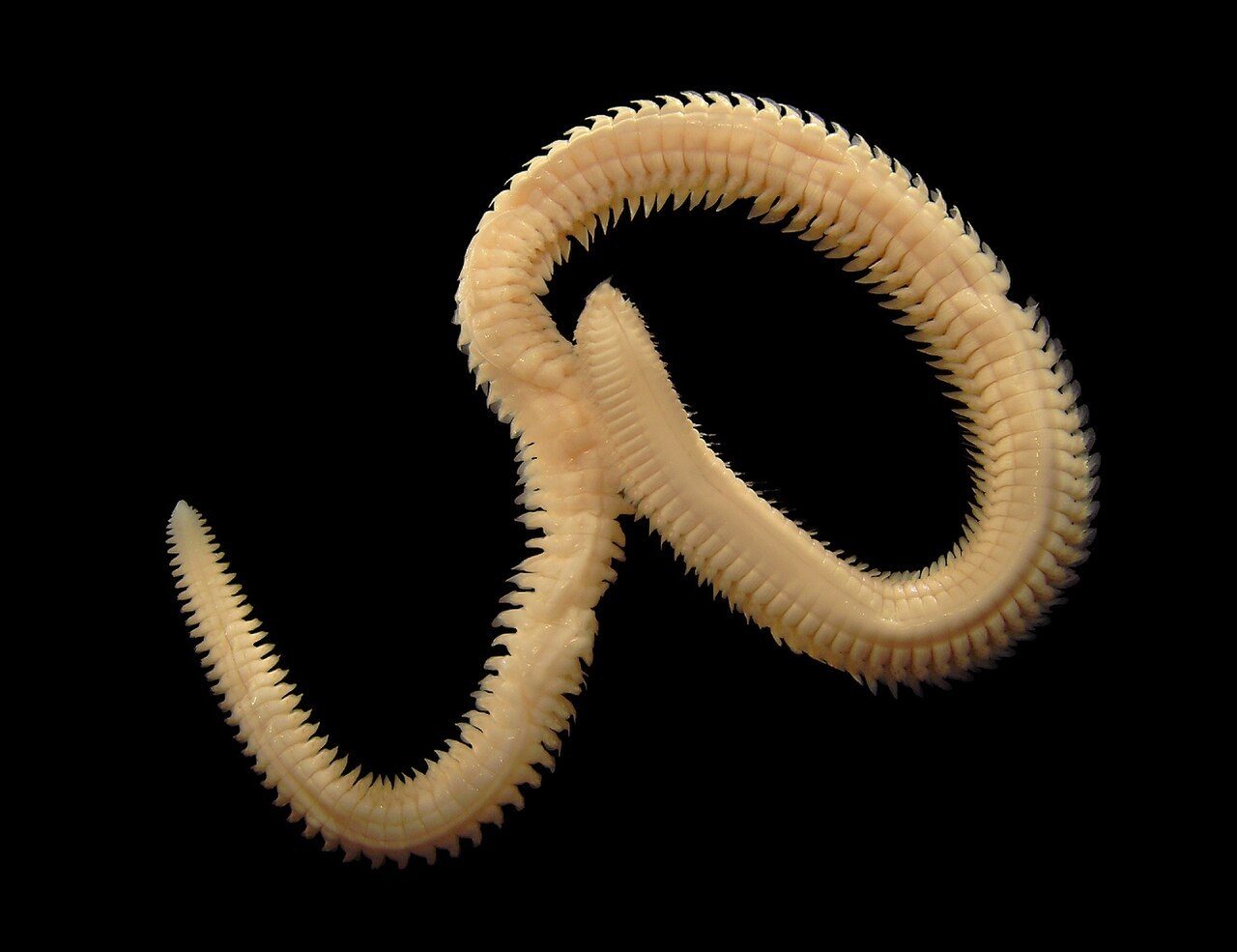
- ParapodiaSide flaps for swimming, in Nereis.
Full text
Phylum Annelida: segmented worms
From Latin annulus, "little ring". The body surface is clearly marked into segments, the metameres. Annelids live in water (sea and fresh) or on land, are mostly free-living and sometimes parasitic.
- Organ system level, bilateral, triploblastic, metamerically segmented, and coelomate: the first true coelom in our list.
- Longitudinal and circular muscles work against each other to move the body.
- Aquatic forms like Nereis have side flaps called parapodia for swimming.
- Closed circulatory system.
- Nephridia (singular nephridium) carry out osmoregulation and excretion.
- Nervous system: pairs of ganglia (knots of nerve cells), linked by side nerves to a nerve cord that is double and runs along the ventral (belly) side.
- Nereis is dioecious (separate sexes); earthworms and leeches are monoecious (both sexes in one animal). Reproduction is sexual.
Examples: Nereis, Pheretima (earthworm) and Hirudinaria (the blood-sucking leech, familiar to anyone who has walked through Kerala's forests in the monsoon).
5.8Two muscle layers, one fluid
long ⇄ short
Circular muscles squeeze: long and thin, push forward. Longitudinal muscles pull: short and fat, grip the soil. The coelom fluid makes the squeeze work.
5.9Inside an annelid
Pipes, filters, a ladder of nerves
Blood
Circulation
- Type
- Closed
Waste
Excretion
- Organs
- Nephridia (one: nephridium): osmoregulation and excretion
Nerves
Nervous system
- Knots
- Pairs of ganglia, linked by side nerves
- Cord
- Double, along the ventral side
Sexes
Reproduction: sexual
- Nereis
- Dioecious
- Earthworm, leech
- Monoecious: both sexes in one
CheckThe odd annelid
Which has separate sexes?
Which annelid has separate sexes?
- Pheretima
- Hirudinaria
- Nereis
5.10Examples to learn
Eight worms to know
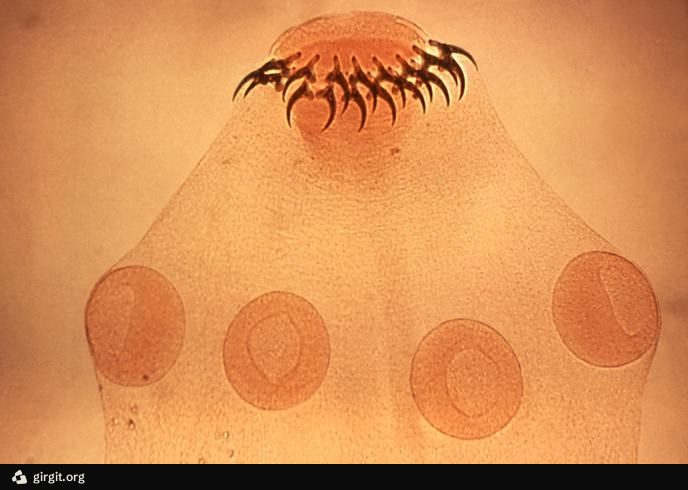
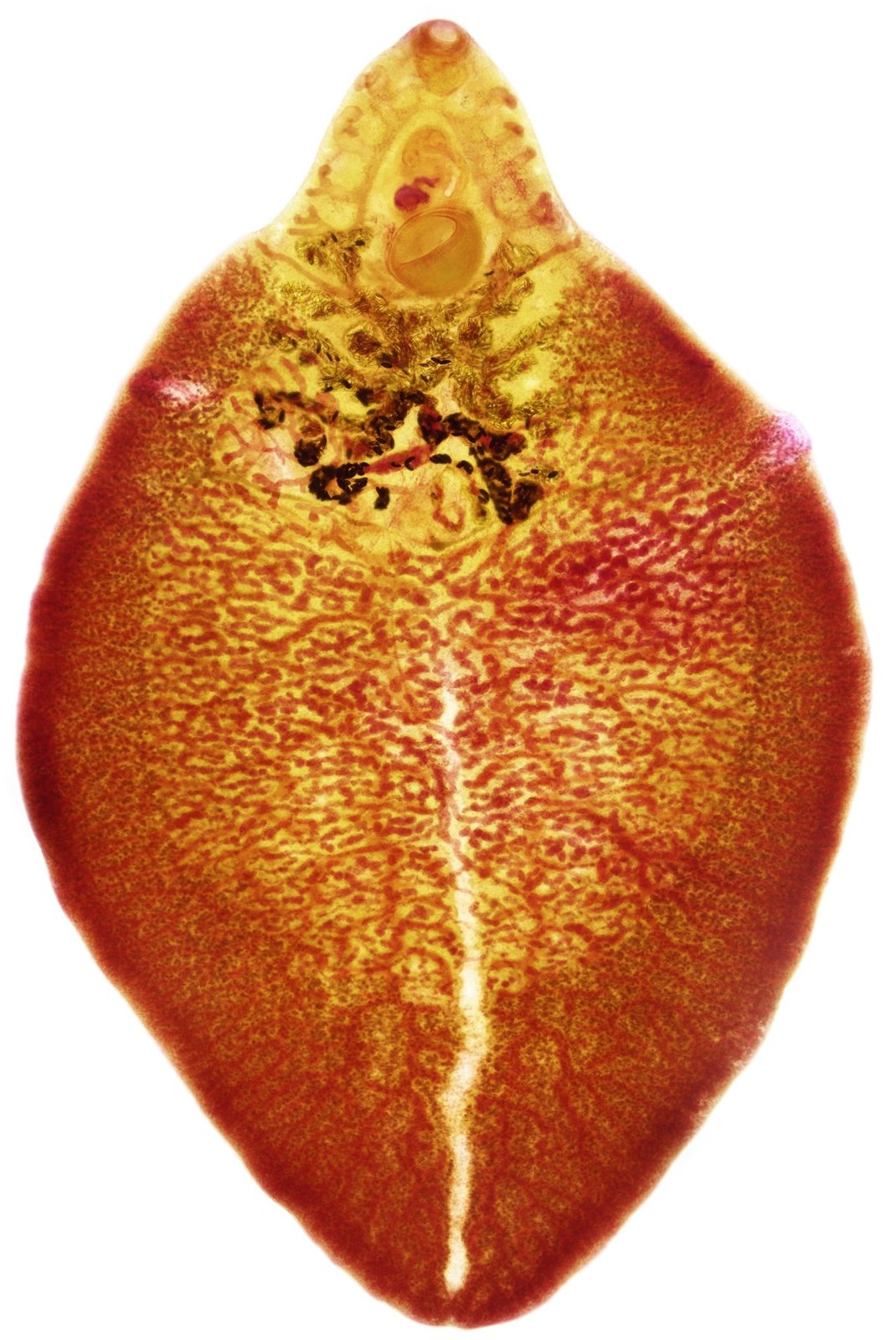
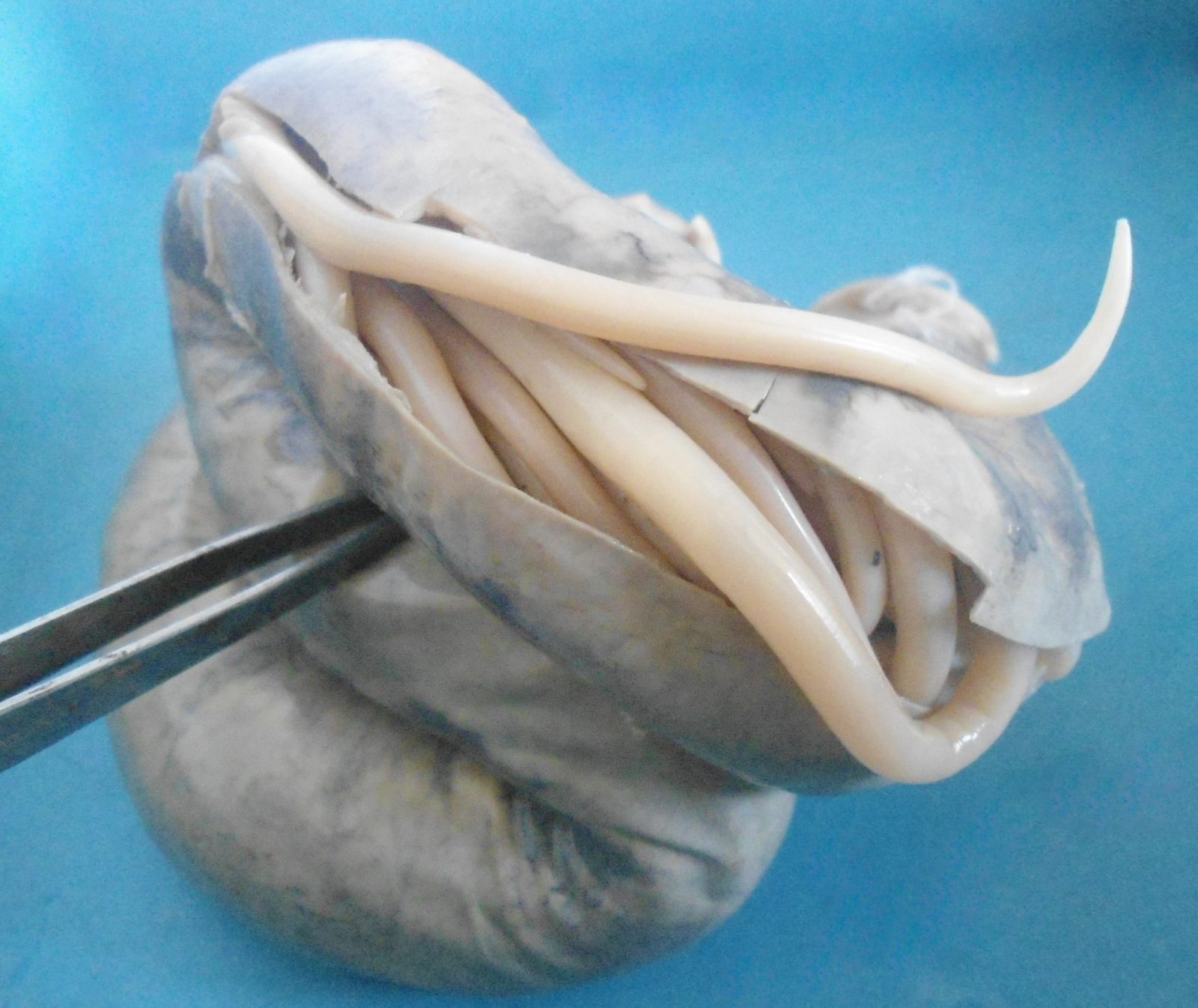
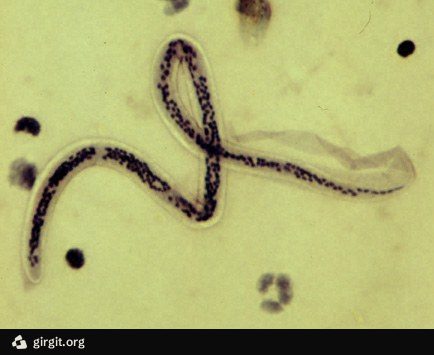
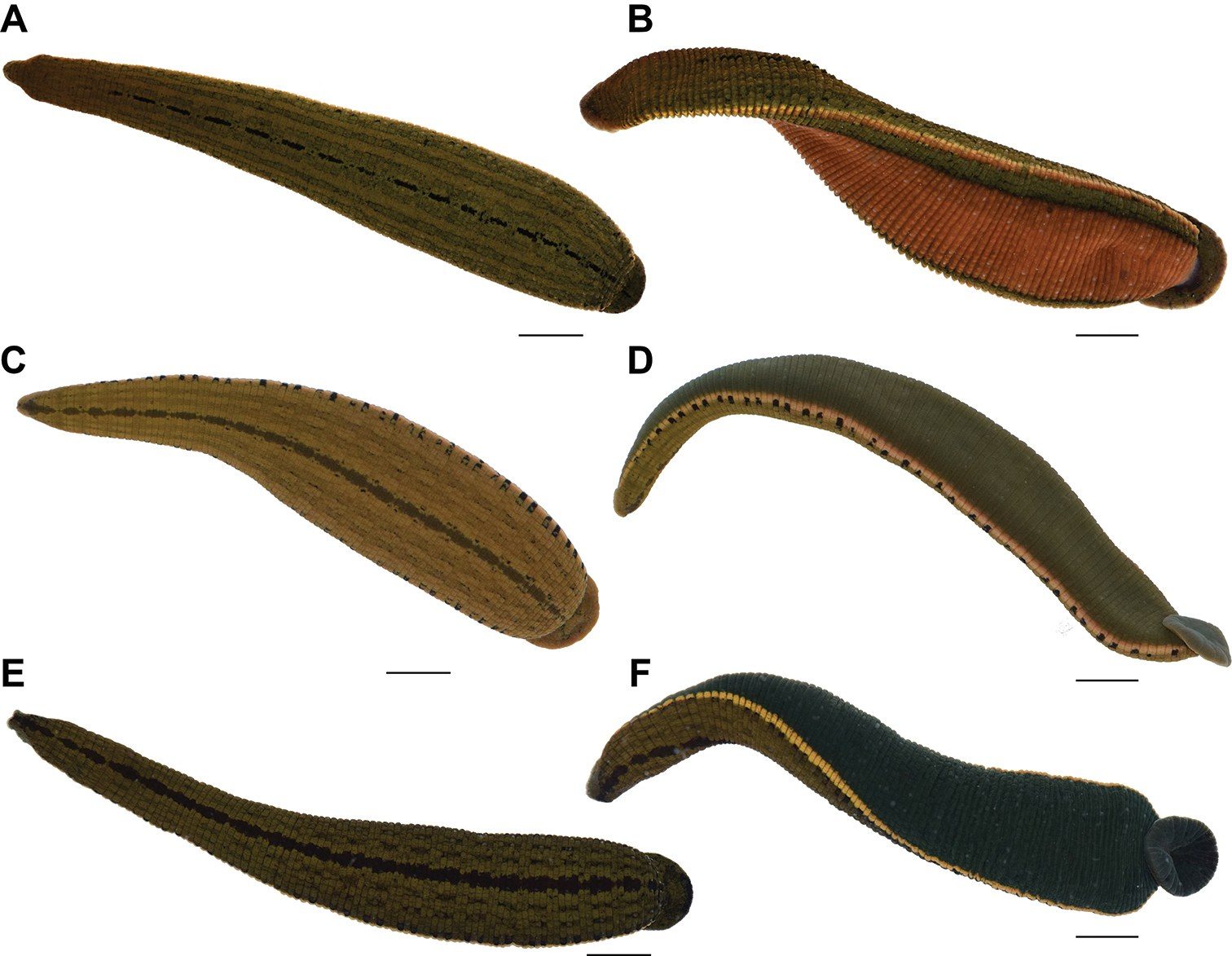
Taenia, the tapeworm: can reach us through undercooked pork.
Fasciola, the liver fluke of sheep and cattle.
Ascaris, the common intestinal roundworm.
Ancylostoma, the hookworm.
Wuchereria, the filaria worm.
A bristle worm, like Nereis.
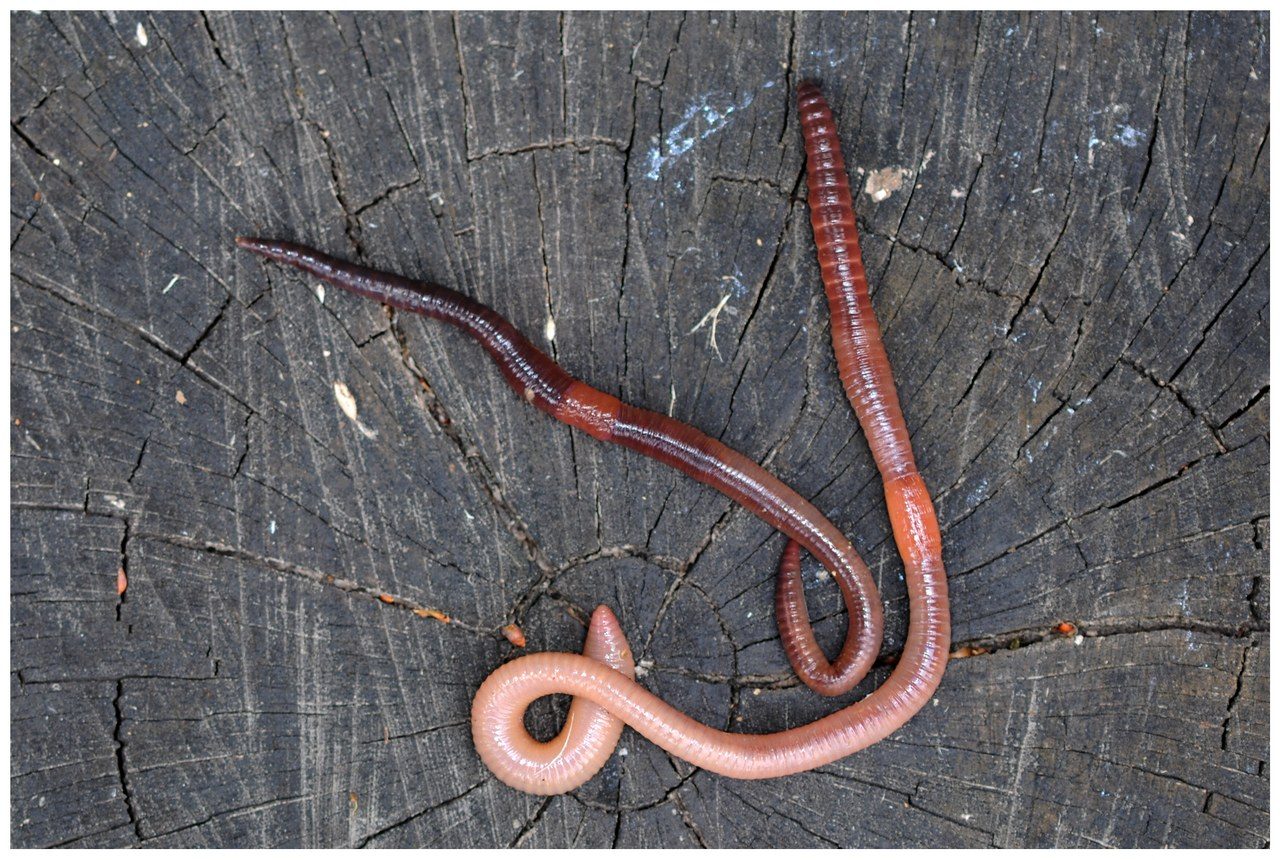
Pheretima, the earthworm.
Hirudinaria, the blood-sucking leech of Kerala's monsoon forests.
Try itSort them
Flat, round or ringed?
Drop each worm on its phylum.
5.11Side by side
Three worms, one glance
Flat
Platyhelminthes
- Level
- Organ
- Cavity
- Acoelomate
- Segments
- No
- Gut
- Incomplete
- Excretion
- Flame cells
- Sexes
- Hermaphrodite
Round
Aschelminthes
- Level
- Organ system
- Cavity
- Pseudocoelomate
- Segments
- No
- Gut
- Complete, muscular pharynx
- Excretion
- Excretory tube and pore
- Sexes
- Separate
Ringed
Annelida
- Level
- Organ system
- Cavity
- Coelomate
- Segments
- Yes, metameric
- Gut
- Complete
- Excretion
- Nephridia
- Sexes
- Nereis separate; earthworm, leech hermaphrodite
Full text
Side by side
| Platyhelminthes | Aschelminthes | Annelida | |
|---|---|---|---|
| Common name | Flatworms | Roundworms | Segmented worms |
| Level | Organ | Organ system | Organ system |
| Body cavity | Acoelomate | Pseudocoelomate | Coelomate |
| Segments | No | No | Yes (metameric) |
| Gut | Incomplete | Complete, muscular pharynx | Complete |
| Excretion | Flame cells | Excretory tube and pore | Nephridia |
| Sexes | Hermaphrodite | Separate (dioecious) | Nereis separate; earthworm, leech hermaphrodite |
| Remember | Taenia, Fasciola, Planaria | Ascaris, Wuchereria, Ancylostoma | Nereis, Pheretima, Hirudinaria |
Don't mix these up
- Excretion: flame cells (flatworms), nephridia (annelids), Malpighian tubules (arthropods).
- Bilateral + acoelomate = Platyhelminthes. Ctenophores have no coelom too, but they are radial.
- Earthworm and leech are monoecious; Nereis is dioecious.
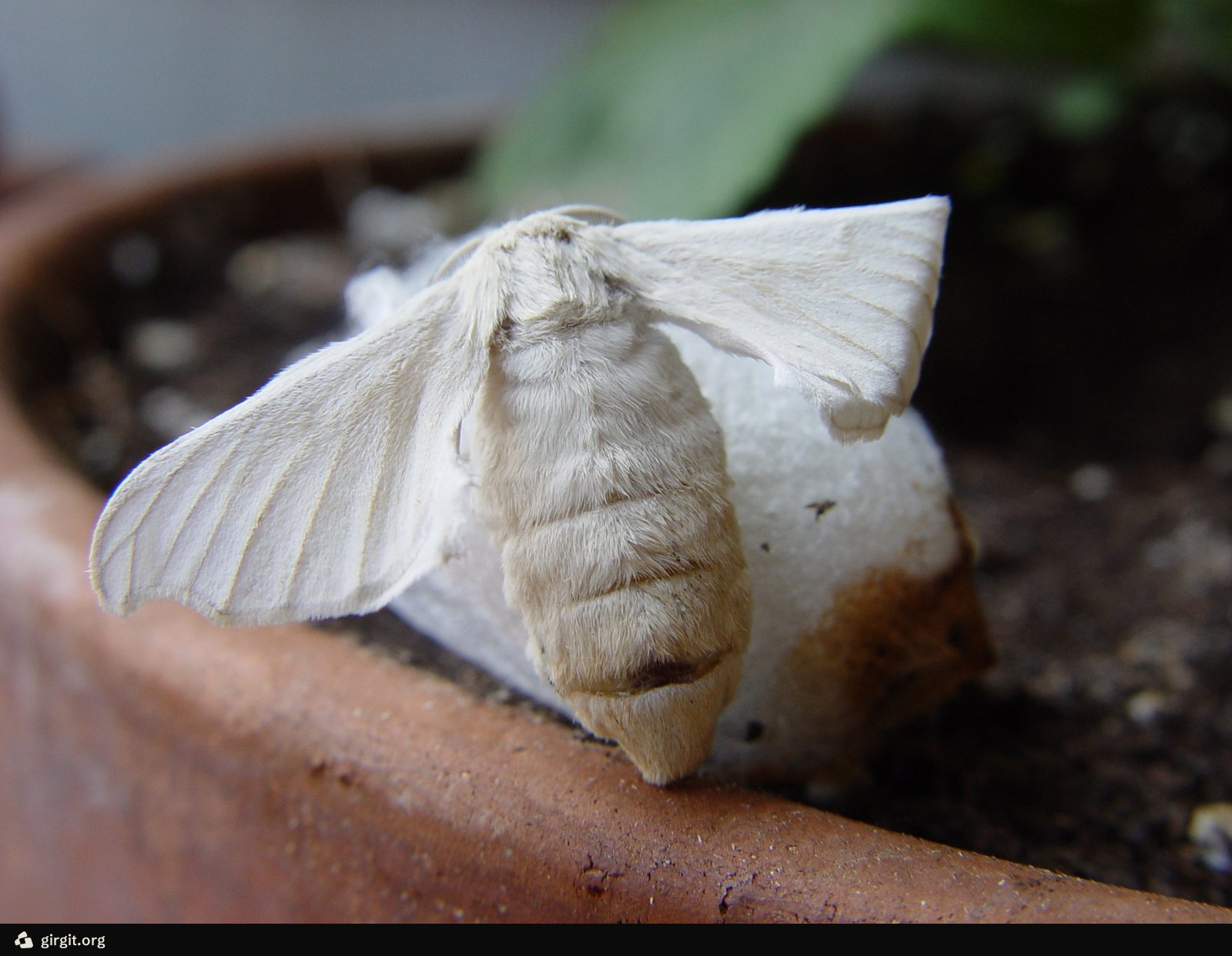
Not in the current textbook, but NEET has asked it: metamorphosis is a big change of body form between larva and adult, as in a moth (caterpillar to moth), a starfish (bilateral larva to radial adult) or a tunicate (tadpole-like larva to fixed adult). The earthworm hatches as a small worm and grows directly, so it shows no metamorphosis.
5.12Don't mix these up
Three ways to get rid of waste
Trap
Bilateral and no coelom: could be a ctenophore
Fact
Bilateral + acoelomate = Platyhelminthes
Ctenophores lack a coelom too, but they are radial. Excretion: flame cells, nephridia, and in arthropods Malpighian tubules.
Don't mix these up
- Excretion: flame cells (flatworms), nephridia (annelids), Malpighian tubules (arthropods).
- Bilateral + acoelomate = Platyhelminthes. Ctenophores have no coelom too, but they are radial.
- Earthworm and leech are monoecious; Nereis is dioecious.
NEET extraNot in the current textbook
Hatch small, or change shape
Metamorphosis: a big change of form from larva to adult. A moth (from a caterpillar), a starfish, a tunicate. The earthworm hatches as a small worm: no metamorphosis.
KeepJust remember
Names that describe the worm
Nine genus names, three excretory organs: tap a card.
WordsTo know
Seven words
- Endoparasite
- A parasite that lives inside its host's body.
- Flame cells
- Ciliated cells of flatworms for excretion and water balance.
- Dioecious
- Male and female are separate animals.
- Monoecious
- One animal has both male and female organs.
- Parapodia
- Paired side flaps of Nereis, used for swimming.
- Nephridia
- The excretory tubes of annelids.
- Regeneration
- Regrowing lost parts, even a whole body.
NEETAsked in the exam
The real thing
RootsOne female Ascaris
2,00,000eggs
a day
- Hooks and suckers are anchorsOur gut sweeps all to the exit.
- No gut neededA tapeworm absorbs our digested food through its flat skin.
- So many eggsThe chance any one reaches a new host is tiny.
- The tradeFood, warmth, shelter; then reach the next host.
1/279
of a planarian grew a whole worm: the American T. H. Morgan, 1898, later a Nobel winner for genes
RootsRegeneration has a cellular root
One cell can rebuild it
Dividing stem cells, neoblasts, fill a planarian. In 2011 one special neoblast restored regeneration to a worm whose dividing cells were killed. A front-to-back map tells a middle piece where its head goes.
See itThe cost of a parasite
Fill the jug
The blood a hookworm infection takes in a month, against a blood donation.
StoryThe guinea worm, Dracunculus
India beat a worm
- 198439,792 casesIn 89 districts of seven states, Rajasthan among them. Caught from step-well water carrying water fleas.
- 1996The last case: 6 JulyA man in Jodhpur district. Cloth filters, draw-wells, treated ponds.
- 2000February: certified freeAfter an international team checked village by village.
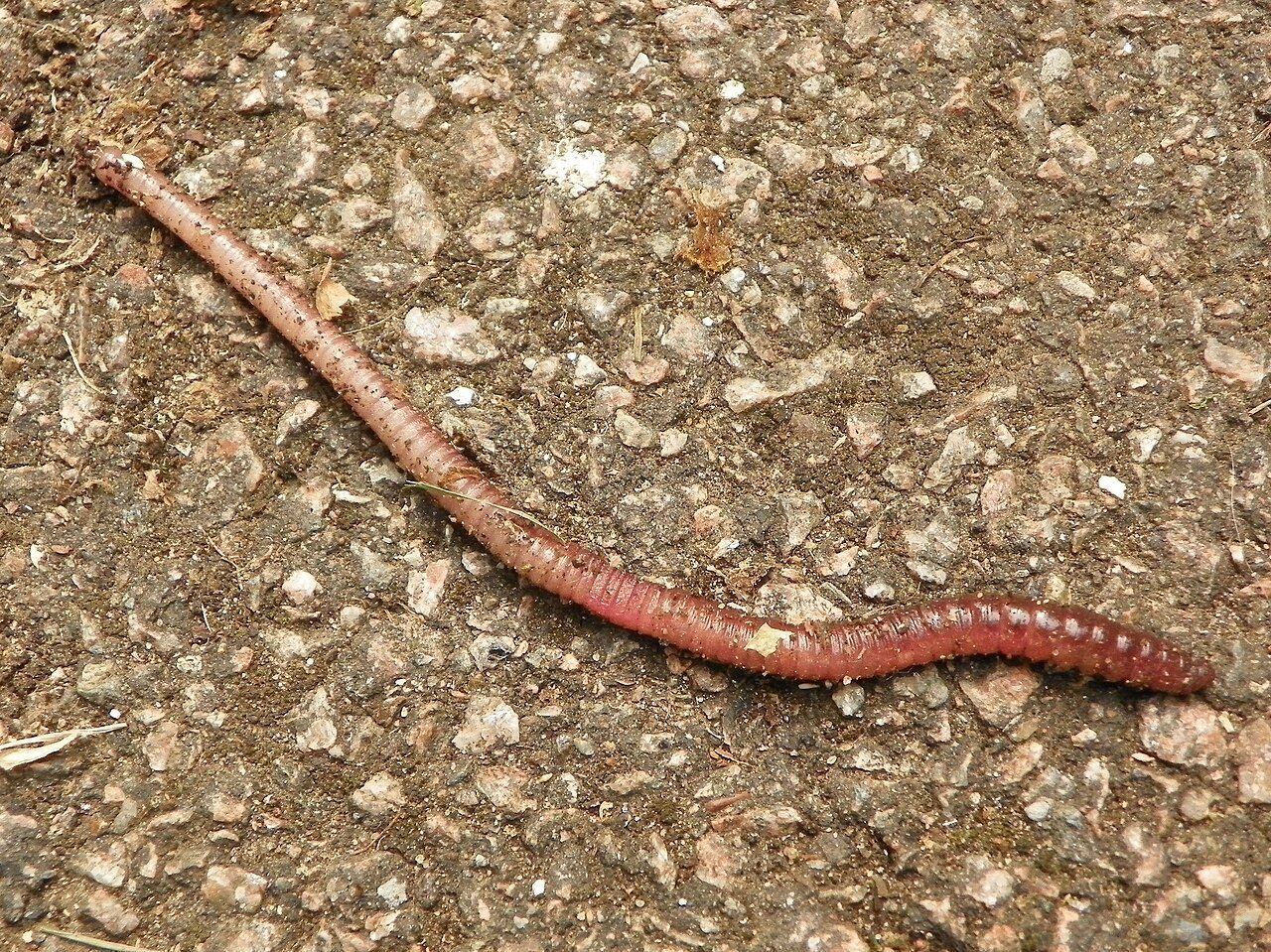
StoryCharles Darwin's last book, 1881
It may be doubted whether there are many other animals which have played so important a part in the history of the world.
10,516 kg of earth a year through worms on each acre; chalk spread in 1842 lay seven inches down 29 years later.
Solve itTwo problems and a check
Your turn
Solve it
Suppose a female Ascaris lays 2,00,000 eggs a day for a year. In a population that stays the same size, each pair of adults is replaced, on average, by just two new adults. Roughly what fraction of her eggs grows into an adult worm?
Hint
Answer
Solve it
India's National Deworming Day (started in 2015) gives a single albendazole tablet to children twice a year, on 10 February and 10 August. Using the hookworm numbers in the widget, explain why a dose every six months still helps a child who will be reinfected.
Answer
Why can a tapeworm live without any digestive system?
- It does not need food
- It absorbs food already digested by its host, through its body surface
- Its flame cells digest food
ConnectAnd still confused?
Where this goes next
Connect it
- Worm diseases, Class 12. Ascariasis and filariasis as diseases: amoebiasis, worms and ringworm.
- Filariasis in India. About 345 districts in 20 states and union territories have lymphatic filariasis, spread by Culex mosquitoes; India aims to eliminate it by 2027 with mass drug administration.
- The earthworm, Ch 7. Pheretima in detail: the earthworm.
- Body cavities, concept 2. Why the three worms differ inside: symmetry, layers and coelom.
- Parasitism, Class 12. Hosts, adaptations and life cycles: parasitism.
Are earthworms and roundworms related, since both are "worms"?
Only distantly. "Worm" is just a shape. Earthworms are annelids with a true coelom and segments; roundworms have a pseudocoelom and no segments; flatworms have no cavity at all. Three different phyla share the long, thin shape because it suits burrowing and squeezing.
Can a cut earthworm also grow into two worms?
No. Some earthworms can regrow a few lost segments at the tail end, and some even a head, but cutting one in half does not give two worms. Planarians are the regeneration champions, thanks to their neoblasts.
Sources
- NIGMS: planarian regeneration and Morgan's 1/279
- Whitehead Institute (2011): single stem cells restore planarian regeneration
- CDC DPDx: Ascariasis
- StatPearls: Hookworm (blood loss per worm)
- WHO Weekly Epidemiological Record (2000): India certified free of dracunculiasis
- NCDC: Guinea Worm Eradication Programme
- PIB (2024): lymphatic filariasis elimination
- National Deworming Day (summary)
- Darwin (1881), The Formation of Vegetable Mould through the Action of Worms