Act 04NCERT §4.2.1–4.2.3 · pp. 40–426 min
Sponges, cnidarians and comb jellies
The segmented worm dissolves back into a sponge: a vase of loose cells with water flowing in through pores and out of the top. The tour of the phyla starts here.
No organs, no layers: just cells round a stream of water.
From the textbookpp. 40–42
NCERT Biology, Class 11 · Reprint 2026-27
4.0The big idea
Let the water do the work.
Sponges pump it through their pores, cnidarians sting what it brings, comb jellies row through it with combs of hairs.
Full text
The big ideaThe simplest animals live in water and let water do the work: sponges pump it through their pores, cnidarians sting what it brings, and comb jellies row through it with combs of hairs.
In simple words
Sponges are animals that look like plants. They sit in one place and pull sea water in through tiny holes all over their body, take out the food, and push the water out of a big hole on top. Jellyfish and their cousins have arms covered in tiny stinging darts that shoot out to catch food. Comb jellies are soft, clear balls that swim with rows of beating hairs and often glow in the dark.
4.1Where they sit on the key
The first two questions
Cellular level: the sponges. Tissue level, radial, two layers: the cnidarians and the comb jellies.
- 1
Level of organisation?
CellularPorifera
Tissue, organ or organ system
- 2
Symmetry and germ layers?
Radial · two layersCoelenterataCtenophora
Bilateral · three layers
- 3
Body cavity?
NonePlatyhelminthes
False coelomAschelminthes
True coelom
- 4
Segmented?
NoMolluscaEchinodermataHemichordata
Yes
- 5
Notochord?
NoAnnelidaArthropoda
YesChordata
4.2Phylum Porifera · "pore-bearing"
Follow the water
Water enters through tiny pores in the body wall, the ostia.
It flows into a central cavity, the spongocoel.
Out of the osculum: food in, gas exchange (respiration), waste out.
They line the spongocoel and canals, keep the water moving, and trap food. Digestion is intracellular.
4.3The most primitive multicellular animals
A sponge, on one card
The sponges: a water filter with a fan inside.
Body
Level and shape
- Where
- Mostly marine
- Symmetry
- Mostly asymmetrical
- Level
- Cellular
Skeleton
What holds it up
- Needles
- Spicules
- Or soft
- Spongin fibres
Young
Reproduction
- Sexes
- Hermaphrodite: eggs and sperm
- Asexual
- Fragmentation
- Sexual
- Gametes; fertilisation internal
- Development
- Indirect, through a larva unlike the adult
Full text
Phylum Porifera: the sponges
"Porifera" means pore-bearing. Members are the sponges: mostly marine, mostly asymmetrical, and the most primitive multicellular animals, with only a cellular level of organisation.
Their key feature is the water transport or canal system:
- Water enters through tiny pores in the body wall, the ostia.
- It flows into a central cavity, the spongocoel.
- It leaves through one large opening at the top, the osculum.
This one stream of water brings food, carries out gas exchange (respiration) and removes waste. The walls of the spongocoel and the canals are lined by flagellated choanocytes, also called collar cells; their beating flagella keep the water moving and they trap food. Digestion is intracellular (inside cells).
- Skeleton: tiny needles called spicules, or soft spongin fibres.
- Sexes: not separate. Each sponge is a hermaphrodite, making both eggs and sperm.
- Reproduction: asexual by fragmentation; sexual by gametes. Fertilisation is internal. Development is indirect, with a larva that looks quite different from the adult.
Examples: Sycon (also called Scypha), Spongilla (a freshwater sponge) and Euspongia (the bath sponge, whose spongin skeleton was once sold for scrubbing).
Try itThrough the canals
Where is the water fastest?
Follow one stream from ostia to osculum.
CheckOut of the sponge
Where does water leave?
In a sponge, water leaves the body through the
- ostia
- spongocoel
- osculum
4.4Phylum Coelenterata (Cnidaria)
Armed to the fingertips
Aquatic, mostly marine; radial, diploblastic, tissue level. Some sessile, others free-swimming.
Stinging cells holding nematocysts: for anchorage, defence and catching prey.
It opens only by the mouth, on the hypostome. Digestion: extracellular and intracellular.
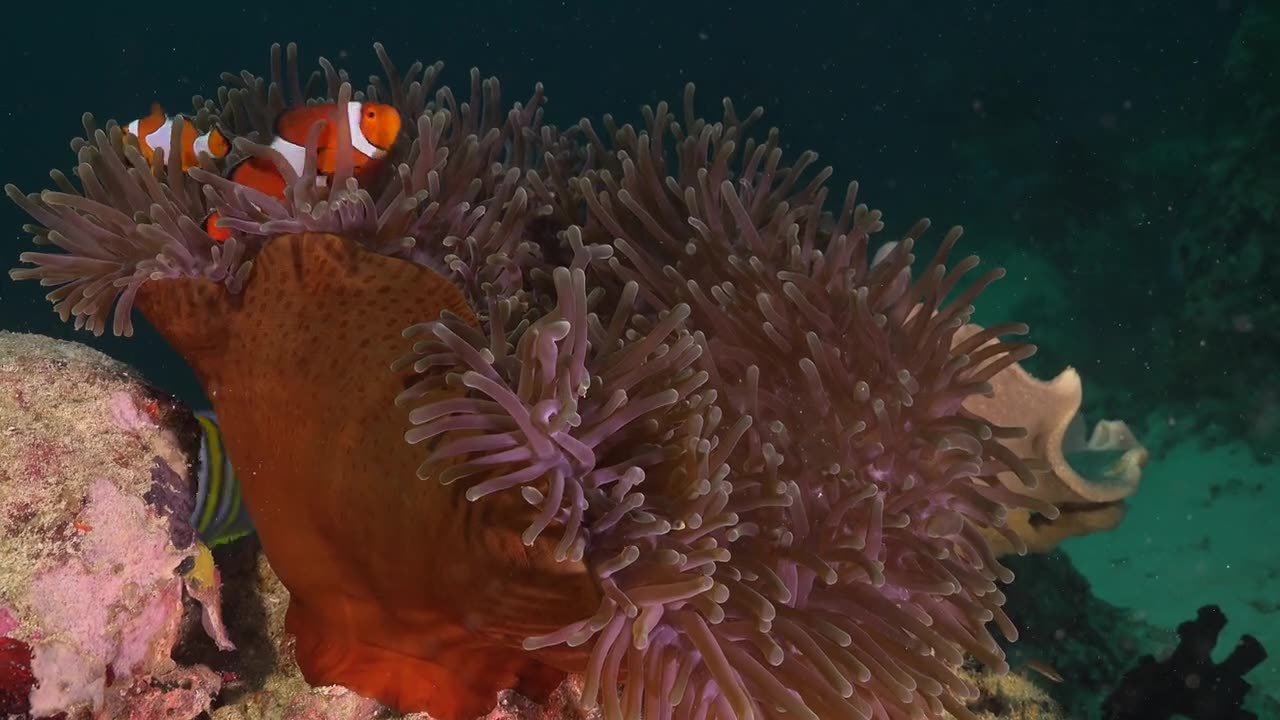
4.5A sea anemone, another polyp
Stings on a beach in Goa
- Every tentacle is armedWhy a jellyfish stings your leg.
- Corals build with calcium carbonateA chalky skeleton, polyp by polyp.
- Whole reefsLike those around Lakshadweep.
Full text
Phylum Coelenterata (Cnidaria)
Coelenterates are aquatic, mostly marine, radially symmetrical, diploblastic animals with a tissue level of organisation. Some are sessile (fixed in one place), others free-swimming.
The name Cnidaria comes from the cnidoblasts or cnidocytes: cells on the tentacles and body holding stinging capsules called nematocysts. Cnidoblasts are used for anchorage, defence and catching prey. This is why a jellyfish stings on a beach in Goa.
- One central gut space, the gastro-vascular cavity, opening only by the mouth, on a raised cone called the hypostome.
- Digestion is both extracellular (in the cavity) and intracellular.
- Some, the corals, build a skeleton of calcium carbonate. Whole coral reefs, like those around Lakshadweep, are built this way.
A cnidarian at work: the tentacles of a living Hydra, and a sea anemone on a reef. Every tentacle is armed with thousands of stinging cells.
4.6Two body forms
Stand it up, or flip it
An upturned glass on a table; flip it, open side down, and let it float off.
Hydra, Adamsia · sessile
Polyp: a cylinder
Mouth facing up.
Aurelia (jellyfish) · free-swimming
Medusa: an umbrella
Mouth facing down.
Full text
Polyp and medusa
| Polyp | Medusa | |
|---|---|---|
| Shape | Cylinder, mouth facing up | Umbrella, mouth facing down |
| Lifestyle | Sessile | Free-swimming |
| Examples | Hydra, Adamsia | Aurelia (jellyfish) |
Some cnidarians have both forms in their life cycle. Polyps make medusae asexually, and medusae make polyps sexually. This switching is called alternation of generations or metagenesis. Example: Obelia.
Examples: Physalia (Portuguese man-of-war), Adamsia (sea anemone), Pennatula (sea pen), Gorgonia (sea fan), Meandrina (brain coral).
4.7Some cnidarians live both lives
Taking turns
Polyp, then medusa, then polyp again: alternation of generations, or metagenesis. The example to learn: Obelia.
CheckBoth forms
Who takes turns?
Polyps produce medusae asexually, and medusae produce polyps sexually. This is seen in
- Obelia
- Pleurobrachia
- Spongilla
- Adamsia
4.8Phylum Ctenophora · "comb-bearers"
Rowing with eight combs.
Ctenophores, the sea walnuts or comb jellies: exclusively marine, radial, diploblastic, tissue level, like cnidarians, but with no stinging cells.
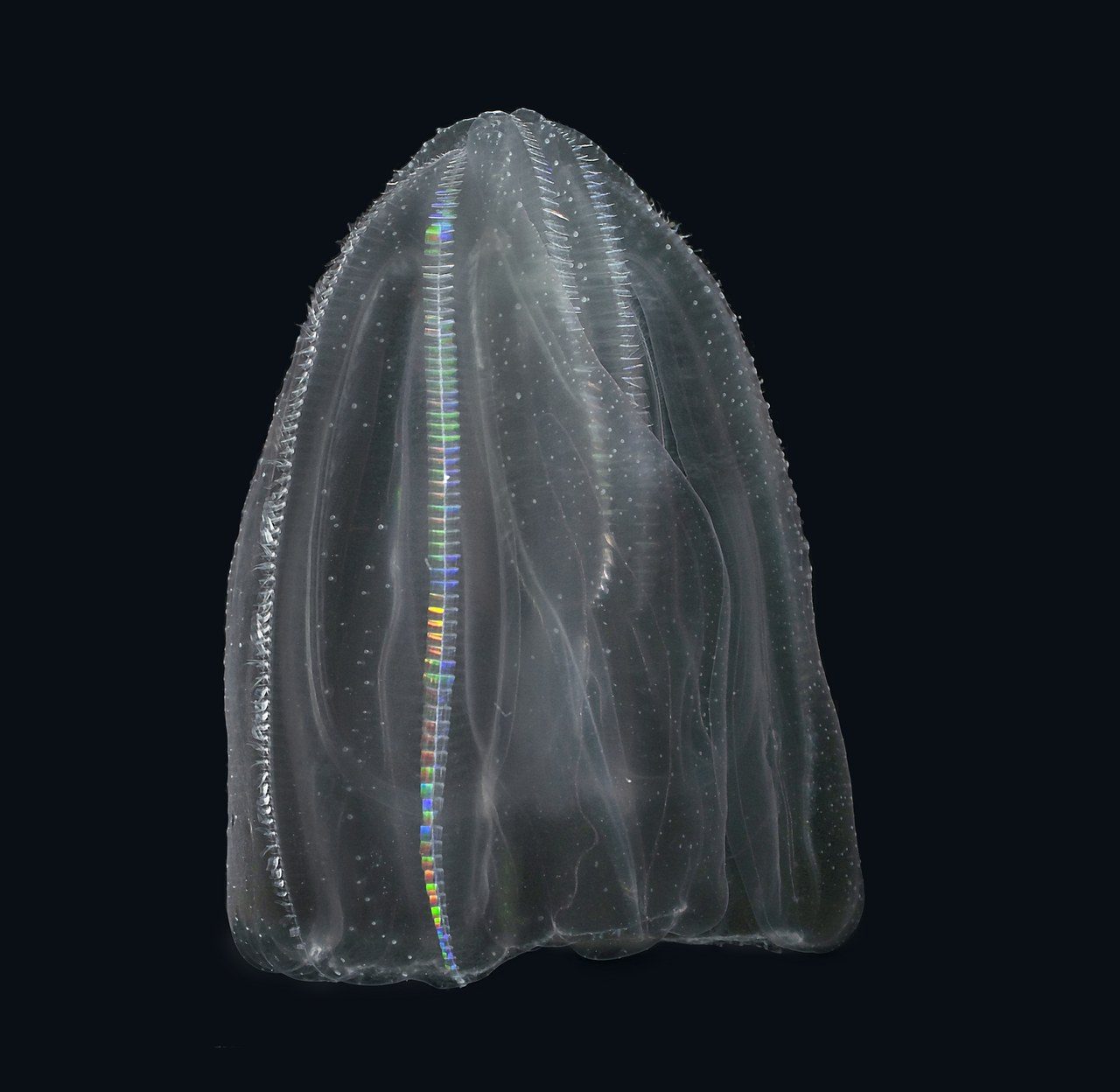
4.9Mnemiopsis, a lobed comb jelly
Combs for swimming
- Eight external rows of ciliated comb platesFor locomotion.
- Bioluminescence is well markedA living thing giving off light.
- DigestionExtracellular and intracellular.
- Hermaphrodite; reproduction only sexualFertilisation external; development indirect.
Full text
Phylum Ctenophora: comb jellies
Ctenophores ("comb-bearers") are the sea walnuts or comb jellies. They are exclusively marine, radially symmetrical, diploblastic, with a tissue level of organisation, like cnidarians, but with no stinging cells.
- Eight external rows of ciliated comb plates, used for locomotion (swimming).
- Digestion is extracellular and intracellular.
- Bioluminescence, the ability of a living thing to give off light, is well marked.
- Sexes not separate (hermaphrodite). Reproduction is only sexual. Fertilisation external; development indirect.
Examples: Pleurobrachia and Ctenoplana.
CheckA glowing swimmer
What is it?
A clear, glowing sea animal swims using rows of beating cilia and has no stinging cells. It is most likely a
- jellyfish
- ctenophore
- sponge
4.10Examples to learn
Nine faces, three phyla
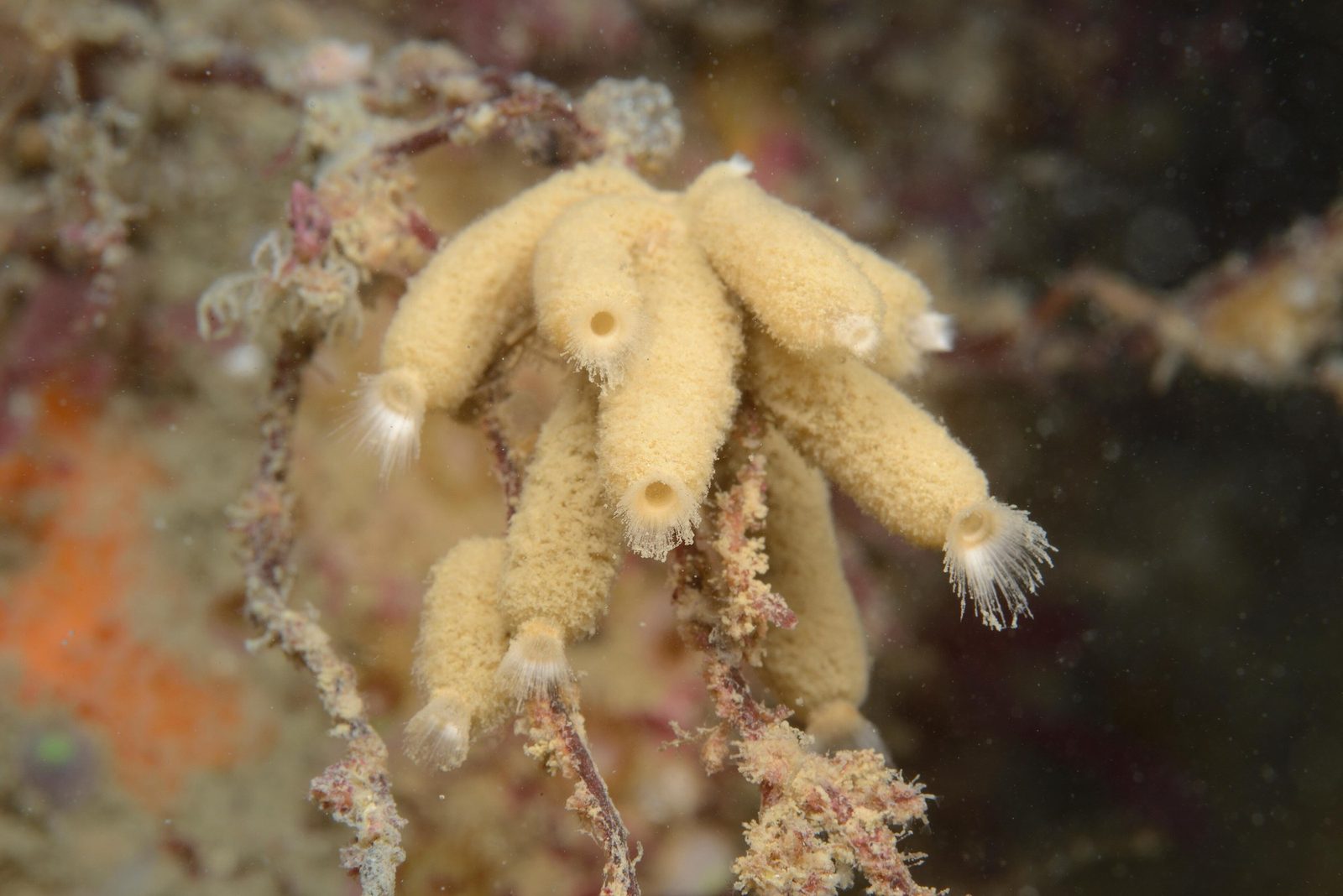
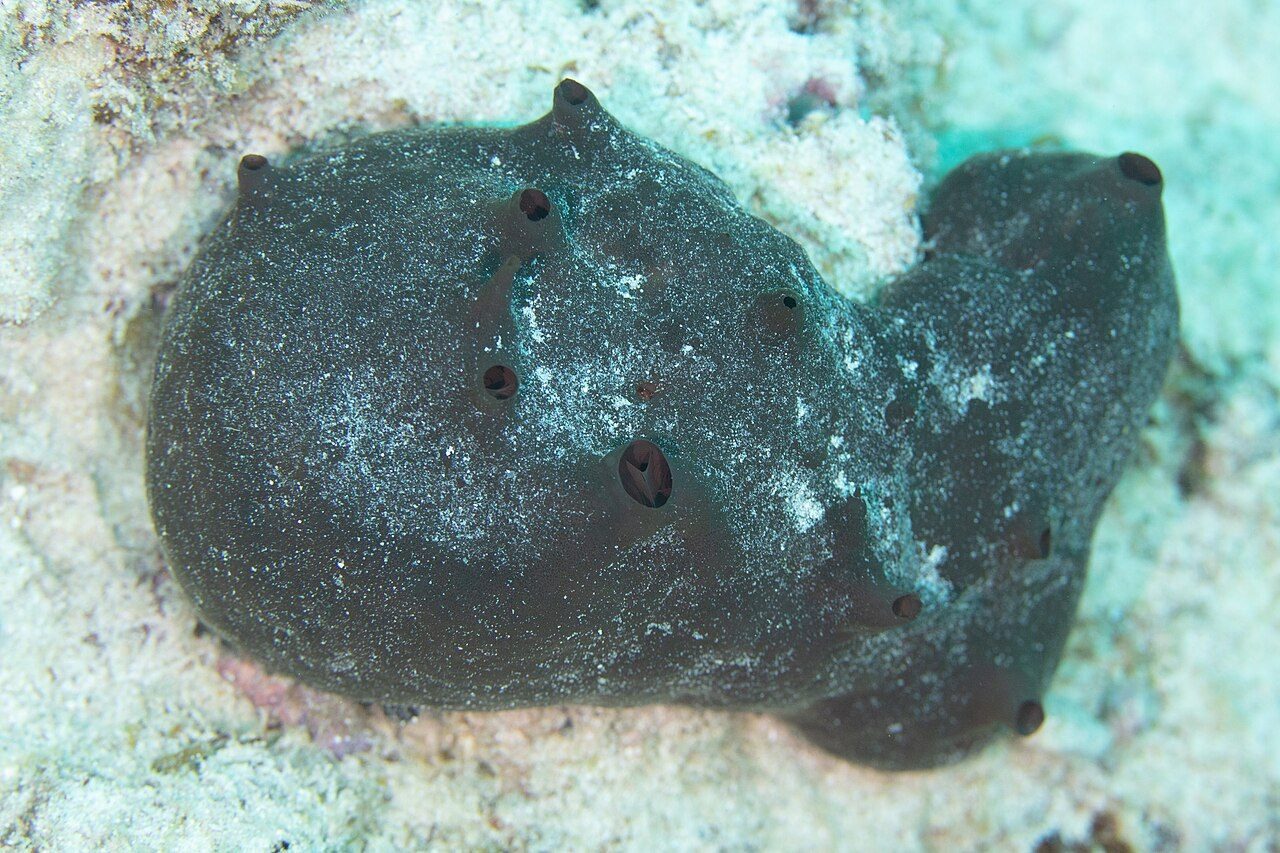
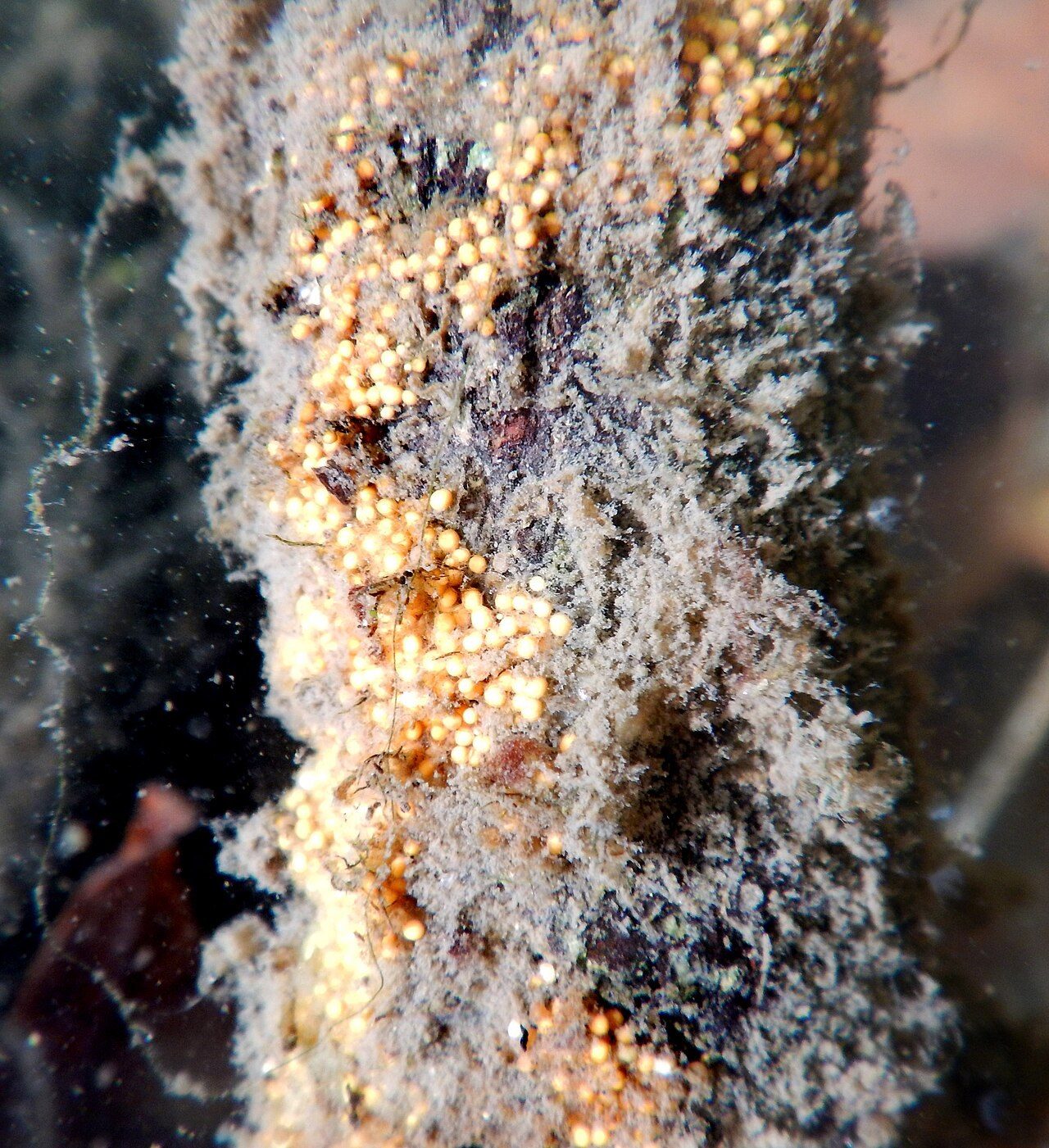
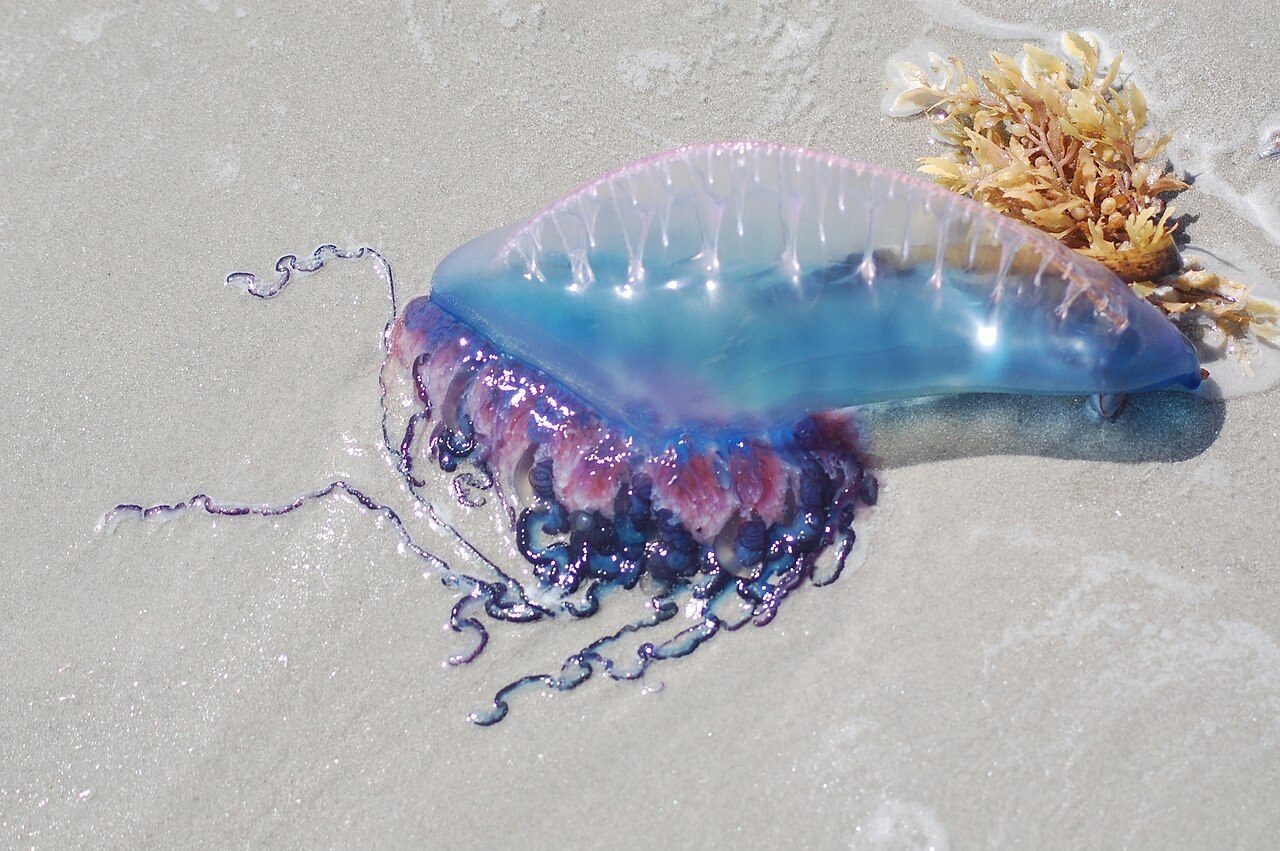
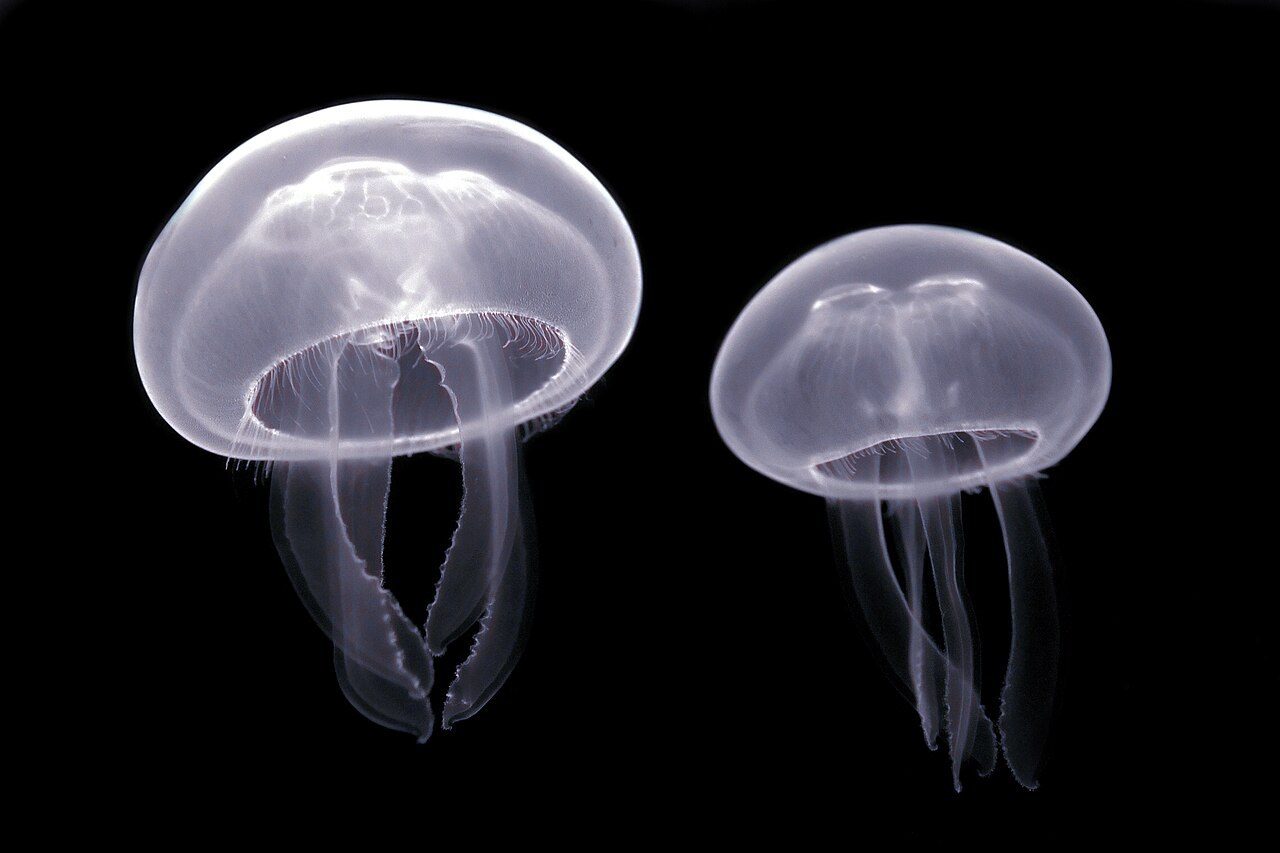
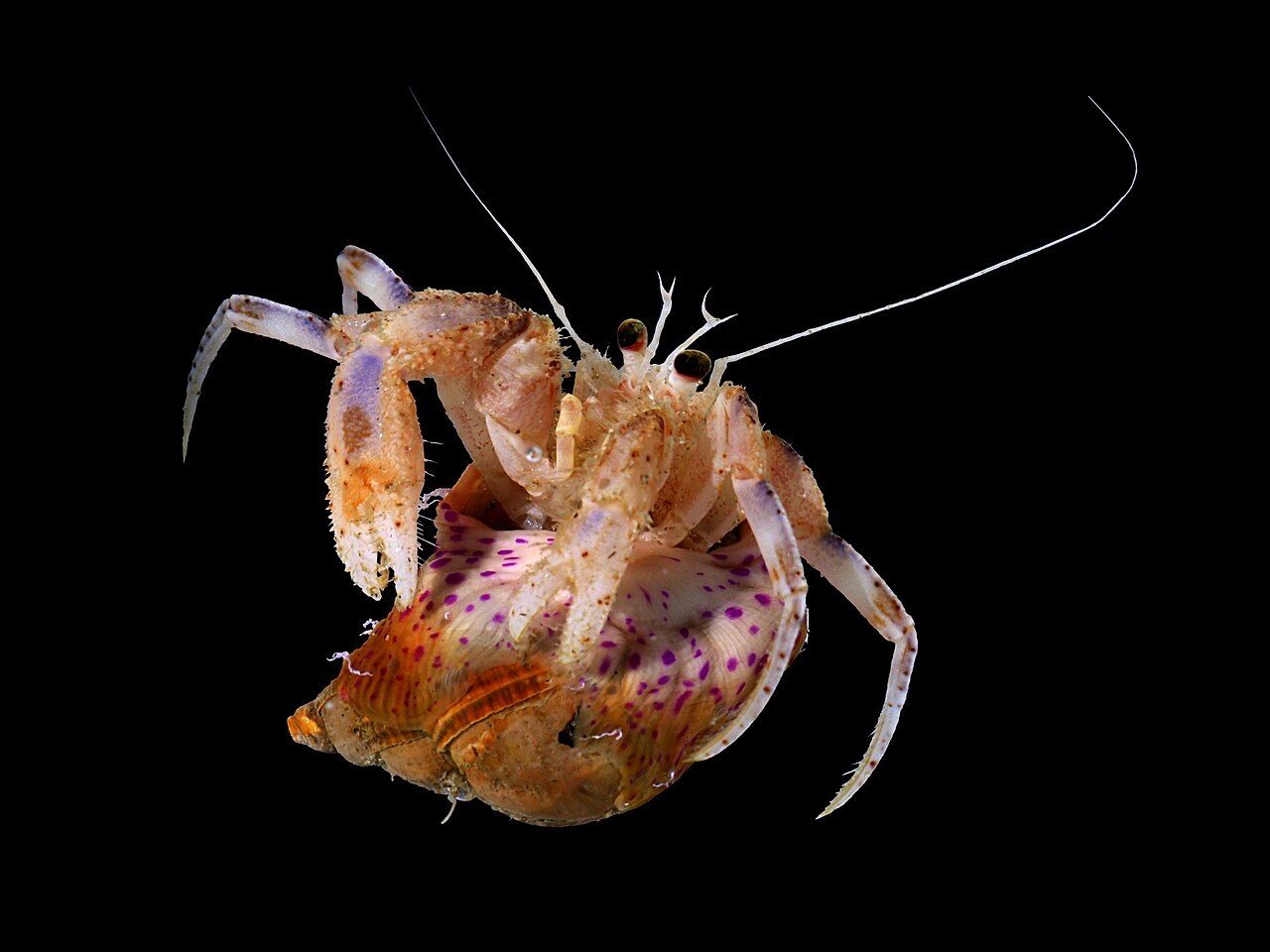
Sycon (Scypha): small fig-shaped sea sponges.
Euspongia, the bath sponge: its spongin skeleton was sold for scrubbing.
Spongilla, a freshwater sponge.
Physalia, the Portuguese man-of-war.
Aurelia, a jellyfish.
Adamsia, a sea anemone, riding a hermit crab.
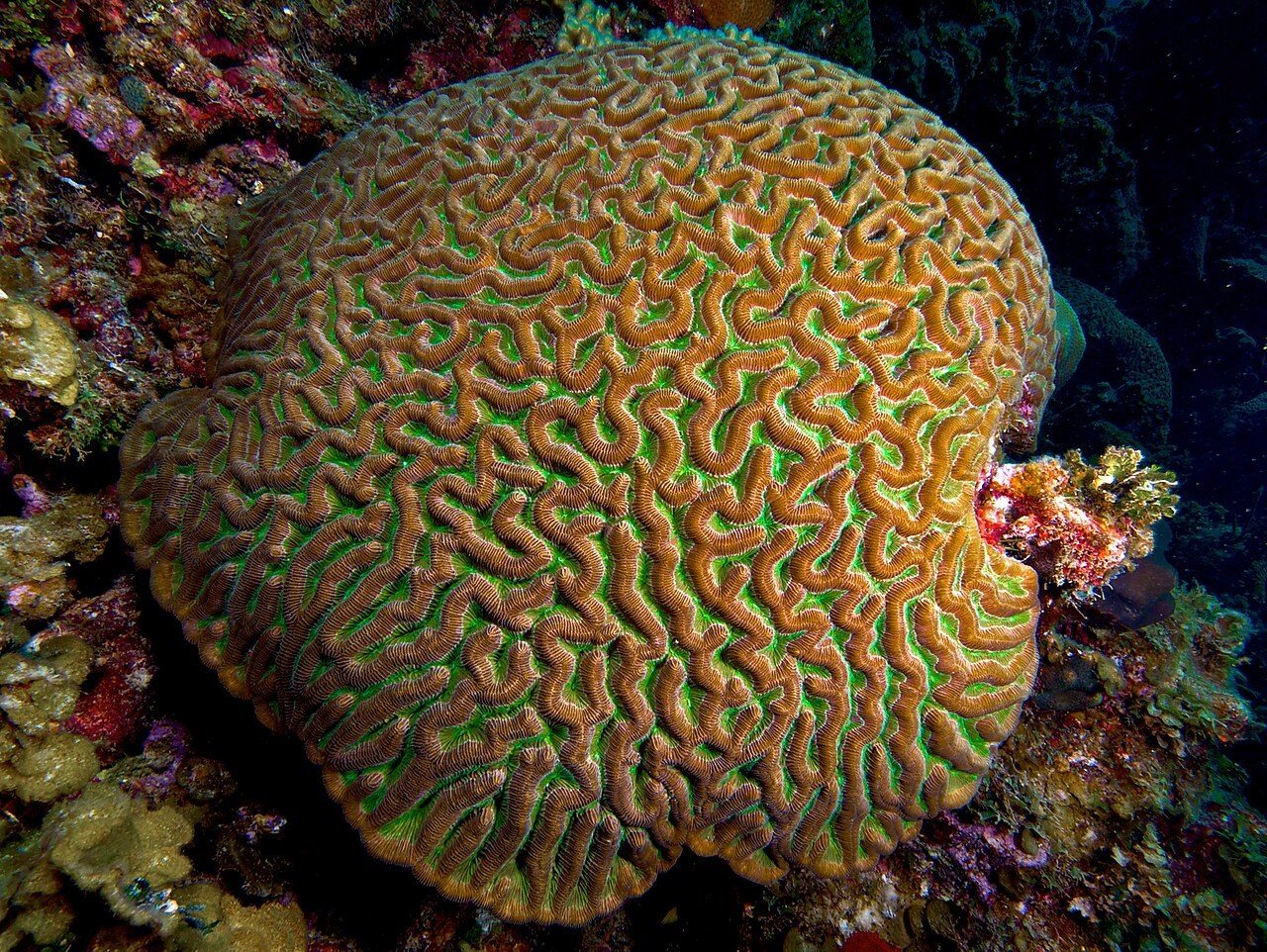
Meandrina, brain coral. Also Pennatula (sea pen), Gorgonia (sea fan).
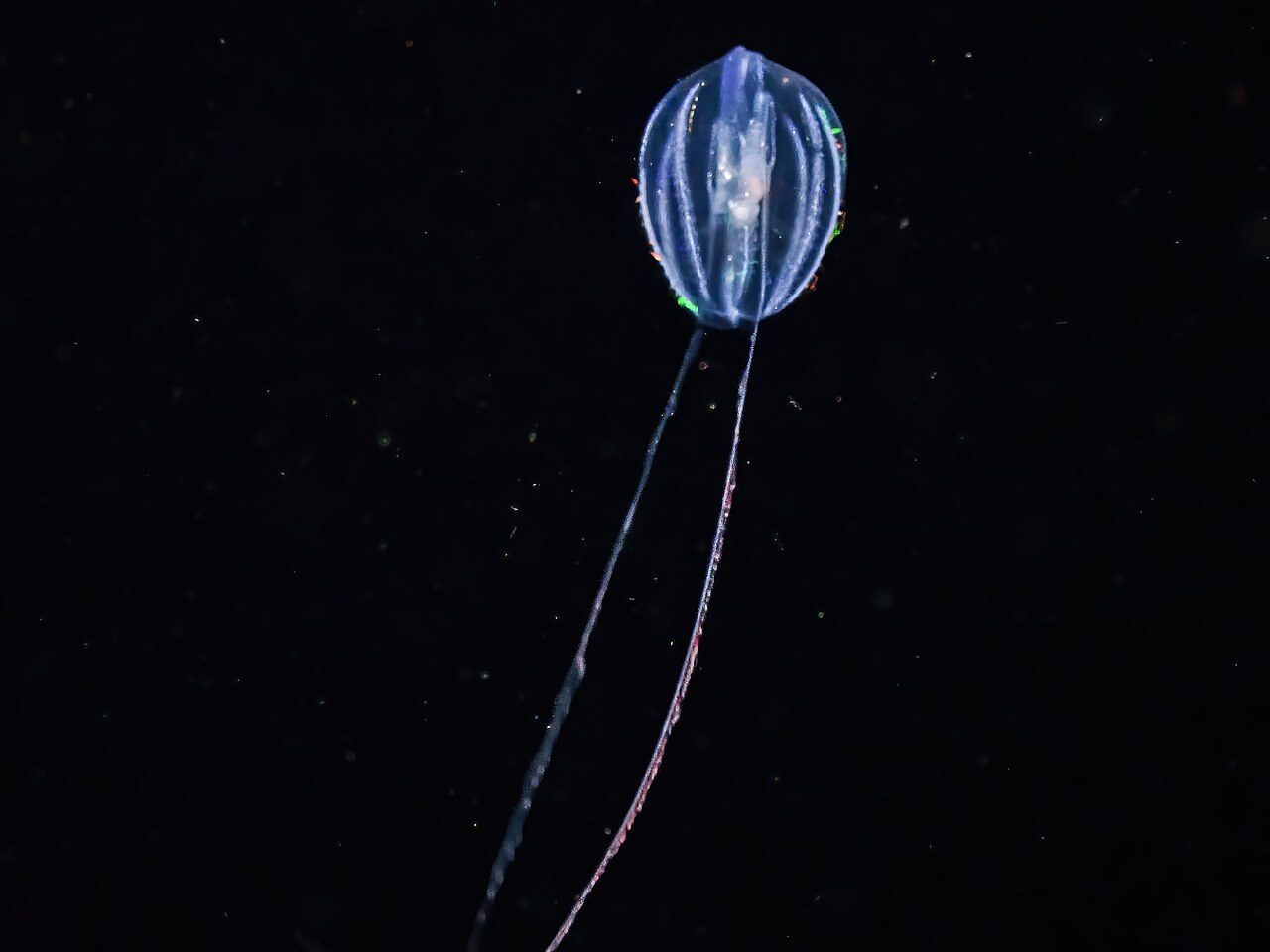
Pleurobrachia, the sea gooseberry. Also Ctenoplana.
Mnemiopsis: the rainbow is light split by its combs.
Try itSort them
Which phylum?
Drop each example on its phylum.
4.11Side by side
Three phyla, one glance
Porifera
Sponges
- Level
- Cellular; no true tissues
- Symmetry
- Mostly none
- Digestion
- Intracellular
- Hallmark
- Canal system, choanocytes
- Sexes · fertilisation
- Hermaphrodite · internal
Coelenterata
Cnidarians
- Level
- Tissue; diploblastic
- Symmetry
- Radial
- Digestion
- Extra- and intracellular
- Hallmark
- Cnidoblasts
- Sexes · fertilisation
- Not stated
Ctenophora
Comb jellies
- Level
- Tissue; diploblastic
- Symmetry
- Radial
- Digestion
- Extra- and intracellular
- Hallmark
- 8 comb plates, bioluminescence
- Sexes · fertilisation
- Hermaphrodite · external
Full text
Side by side
| Porifera | Coelenterata | Ctenophora | |
|---|---|---|---|
| Level | Cellular | Tissue | Tissue |
| Symmetry | Mostly none | Radial | Radial |
| Germ layers | No true tissues | Diploblastic | Diploblastic |
| Digestion | Intracellular | Extra- and intracellular | Extra- and intracellular |
| Hallmark | Canal system, choanocytes | Cnidoblasts | 8 comb plates, bioluminescence |
| Sexes | Hermaphrodite | Not stated | Hermaphrodite |
| Fertilisation | Internal | Not stated | External |
| Remember | Sycon, Spongilla, Euspongia | Physalia, Adamsia, Meandrina | Pleurobrachia, Ctenoplana |
Don't mix these up
- Ostia are the many small entry pores; the osculum is the single big exit. The spongocoel is lined by choanocytes, not by ostia or oscula.
- Comb plates are for swimming, not digestion.
- Adamsia (sea anemone) is a polyp; Aurelia is a medusa. Obelia shows metagenesis.
- Sponges have internal fertilisation; ctenophores have external fertilisation.
4.12Don't mix these up
In, out, and what lines it
Trap
The spongocoel is lined by ostia
Fact
Ostia let water in; the osculum lets it out; choanocytes line the spongocoel
And comb plates are for swimming, not digestion.
Don't mix these up
- Ostia are the many small entry pores; the osculum is the single big exit. The spongocoel is lined by choanocytes, not by ostia or oscula.
- Comb plates are for swimming, not digestion.
- Adamsia (sea anemone) is a polyp; Aurelia is a medusa. Obelia shows metagenesis.
- Sponges have internal fertilisation; ctenophores have external fertilisation.
KeepJust remember
Names with meanings
Greek and Latin carry the hooks: tap a card.
WordsTo know
Seven words
- Ostia, osculum
- The many tiny inlet pores, and the one large outlet, of a sponge.
- Choanocytes
- Flagellated collar cells lining a sponge's cavity and canals.
- Hermaphrodite
- One animal that makes both eggs and sperm.
- Cnidoblast
- A stinging cell holding a nematocyst.
- Metagenesis
- Polyp and medusa stages alternating in one life cycle.
- Comb plates
- Eight rows of fused cilia that move a ctenophore.
- Bioluminescence
- Light made by a living thing.
NEETAsked in the exam
The real thing
RootsA Hydra sting, filmed at 1.43 million frames a second
5.4 milliong
peak acceleration of the stylet
- No brain neededTouch one cell's trigger hair and that cell fires.
- A thread turned inside outCoiled in the capsule, a sharp stylet in front.
- 13 micrometres in 0.7 millionths of a secondTip pressure over 7 gigapascals: compared with a bullet.
15 MPa
about 150 times the pressure of the air
RootsA sting is a loaded spring
Slow in, fast out
Water drawn in builds pressure slowly; the lid opens and it all goes at once. Like a catapult: no muscle could fire that fast. Each capsule fires once; stem cells make a new one.
See itSlow it down
Fire a nematocyst
Scrub the discharge; strobe it.
RootsRebuild, and glow
Heaps can rebuild
Rebuilding
No organs, plenty of stem cells
Pressed-apart sponge cells sort themselves back into a sponge; each piece of a cut Hydra rebuilds. Your organs are built once, in the embryo.
The rainbow is not the glow
Daylight split by beating cilia
As a CD's surface splits light. The true glow is faint blue-green, from cells under the comb rows, seen only in the dark. Comb jellies: the largest animals that swim with cilia.
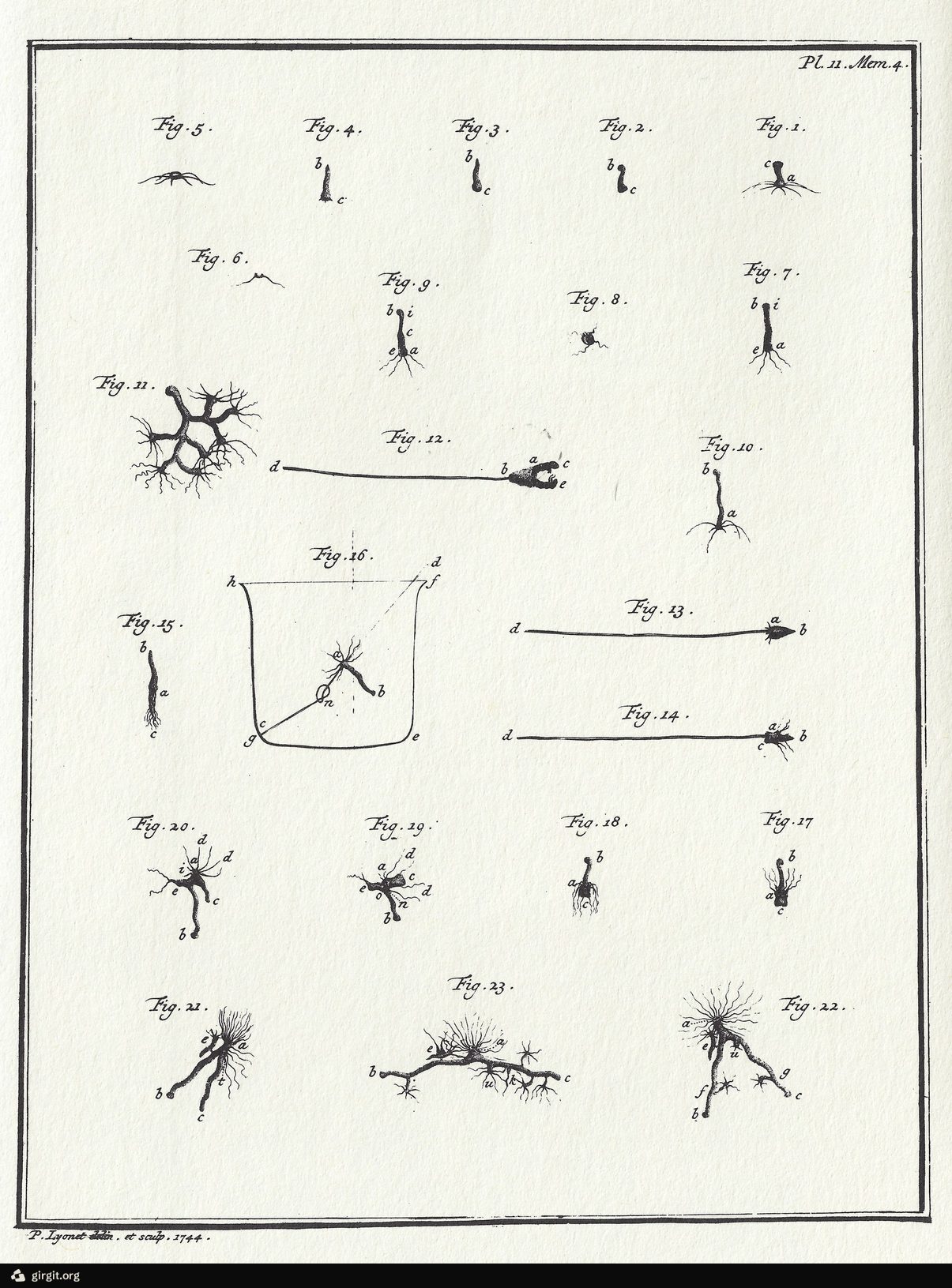
Story1740, near The Hague
Cut it in two
- Abraham Trembley, a Swiss tutor to a Dutch familyGreen tubes with arms: plant or animal?
- Both halves grew wholeA polyp turned inside out still lived. It shocked Europe's scientists.
- Réaumur: "polyps"London's Royal Society: Copley Medal, 1743. Leeuwenhoek saw Hydra first.
StoryTwo more surprises
Sponges reassemble; a sea collapses
- 1907Beaufort, North CarolinaH. V. Wilson squeezes a red sponge through silk: the cells crawl back into little sponges.
- 1982Mnemiopsis in the Black SeaFrom the western Atlantic, in ships' ballast water.
- 19891.5 to 2 kg per square metreAnchovy catches collapse; Turkey loses over a billion US dollars by 1993.
- 1997Rescue: BeroeA comb jelly that eats Mnemiopsis; the anchovy recovers.
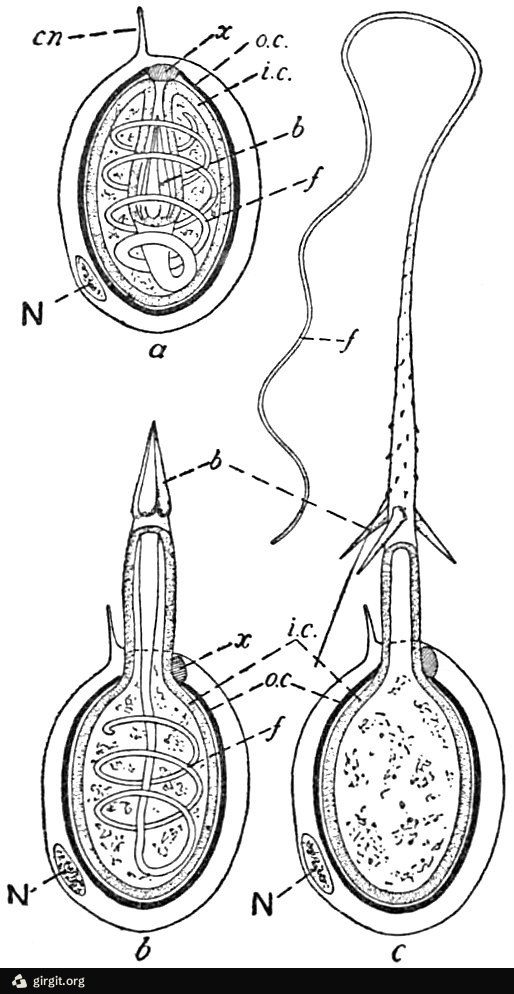 coiled thread, before firingthread shot out, with barbs
See itDrawn in 1911
Inside a stinging cell
The coiled thread before firing, then shot out with its barbs.
Solve itTwo problems and a check
Your turn
Solve it
A car tyre is pumped to about 2 bar (0.2 MPa) above the air outside. A nematocyst capsule holds about 15 MPa. How many times the tyre's pressure is that? Why doesn't the capsule need to be strong like a tyre to fire hard?
Answer
Solve it
In Lakshadweep, a study found live coral covering 37.2% of the reef in 1998 and 19.1% in 2022, after marine heatwaves in 1998, 2010 and 2016. What fraction of the living coral was lost? Corals are cnidarian polyps that host tiny algae; why would hot water hurt them?
Answer
The rainbow colours flickering along a comb jelly's comb rows in daylight are
- its bioluminescence
- light split by the beating cilia
- stinging cells catching the light
ConnectAnd still confused?
Where this goes next
Connect it
- Levels of organisation, concept 1. Why heaps of cells can rebuild and organs can't: sorting animals.
- Anemone and clownfish, Class 12. The clownfish living safely among an anemone's stinging tentacles is the textbook example of commensalism.
- Coral reefs and diversity, Class 12. India's reefs in Lakshadweep, the Gulf of Mannar, the Gulf of Kachchh and the Andaman and Nicobar Islands are biodiversity hotspots of the sea: India's megadiversity.
- Invasive species, Class 12. Mnemiopsis is a classic case of an alien species invasion, one of the evil quartet.
If sponges have no tissues, how can their cells do different jobs?
Different cells do specialise: collar cells pump and trap food, other cells carry food around and build spicules. What sponges lack is cells joined into true tissues with a fixed arrangement. That is why the cells can be separated and come back together.
Is a jellyfish's sting dangerous to people?
Most are mild, but some, like the Portuguese man-of-war (Physalia) and box jellyfish, can be very painful or dangerous. The nematocysts of a dead, washed-up man-of-war can still fire, because each cell fires on its own when touched.
Sources
- Nüchter et al. (2006), Nanosecond-scale kinetics of nematocyst discharge, Current Biology 16: R316
- Embryo Project Encyclopedia: Abraham Trembley and National Academies: Trembley's polyps
- Linda Hall Library: Henry Van Peters Wilson
- Woods Hole Oceanographic Institution: comb jelly light
- NOAA: What is a Portuguese man o' war?
- Marine Biological Laboratory: comb jelly
- Kideys (2005), Mnemiopsis in the Black Sea, Oceanography 18(2)
- Down To Earth (2025): Lakshadweep's coral reefs have halved