- 1. How do we sort animals?
- 2. Symmetry, germ layers and the coelom
- 3. Segments, the notochord, and the map of all phyla
- 4. Sponges, cnidarians and comb jellies
- 5. Flatworms, roundworms and segmented worms
- 6. Arthropods and molluscs: the two biggest phyla
- 7. Echinoderms and hemichordates
- 8. What makes a chordate?
- 9. Jawless vertebrates and fishes
- 10. Amphibians and reptiles
- 11. Birds and mammals
- Review
6 of 11·NCERT §4.2.7 · §4.2.8·pp. 44–45·6 min
Arthropods and molluscs: the two biggest phyla
The big ideaArthropods, with a hard outer coat and jointed legs, are the largest animal phylum; molluscs, soft bodies usually inside a shell, are the second largest.
In simple words
Most kinds of animals on Earth are bugs, spiders, crabs and their cousins. They wear their bones on the outside like armour, and their legs bend at joints like the arms of a folding lamp. Snails, oysters and octopuses are a different group: soft, squishy animals, most living inside a hard shell they make themselves, with one big muscle foot to crawl on.
Phylum Arthropoda
The largest phylum of animals, and it includes the insects. Of every three species that scientists have named, more than two are arthropods. The name means "jointed feet": arthros, joint, and poda, appendages.
- Organ system level, bilateral, triploblastic, segmented, coelomate.
- A chitinous exoskeleton: a hard outer covering made of chitin.
- Body in three parts: head, thorax and abdomen.
- Jointed appendages: legs and other limbs that bend at joints.
- Breathing organs vary: gills (prawn), book gills (king crab), book lungs (scorpion, spider) or a tracheal system of air tubes (insects).
- Open circulatory system.
- Senses: antennae, compound and simple eyes, and statocysts (balancing organs).
- Excretion: Malpighian tubules.
- Mostly dioecious, fertilisation usually internal, mostly oviparous (egg-laying). Development direct or indirect.
Try it: follow a caterpillar's hard head through its moults.
Examples to remember, sorted the way the textbook groups them:
| Group | Genus | Common name, and why it matters |
|---|---|---|
| Economically useful insects | Apis | Honey bee: honey, wax, pollination |
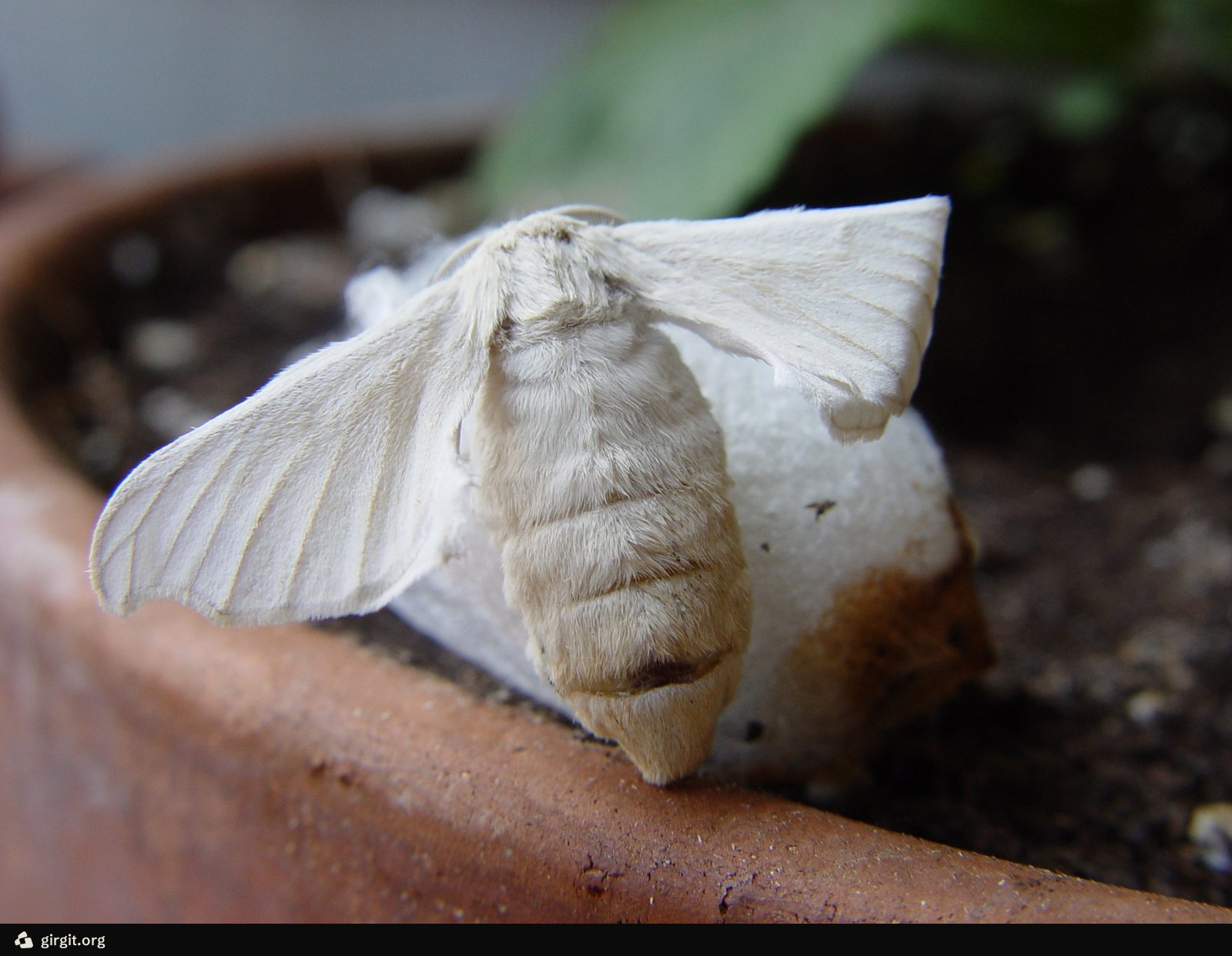
| Bombyx | Silkworm: the silk of Mysore and Kanchipuram saris | |
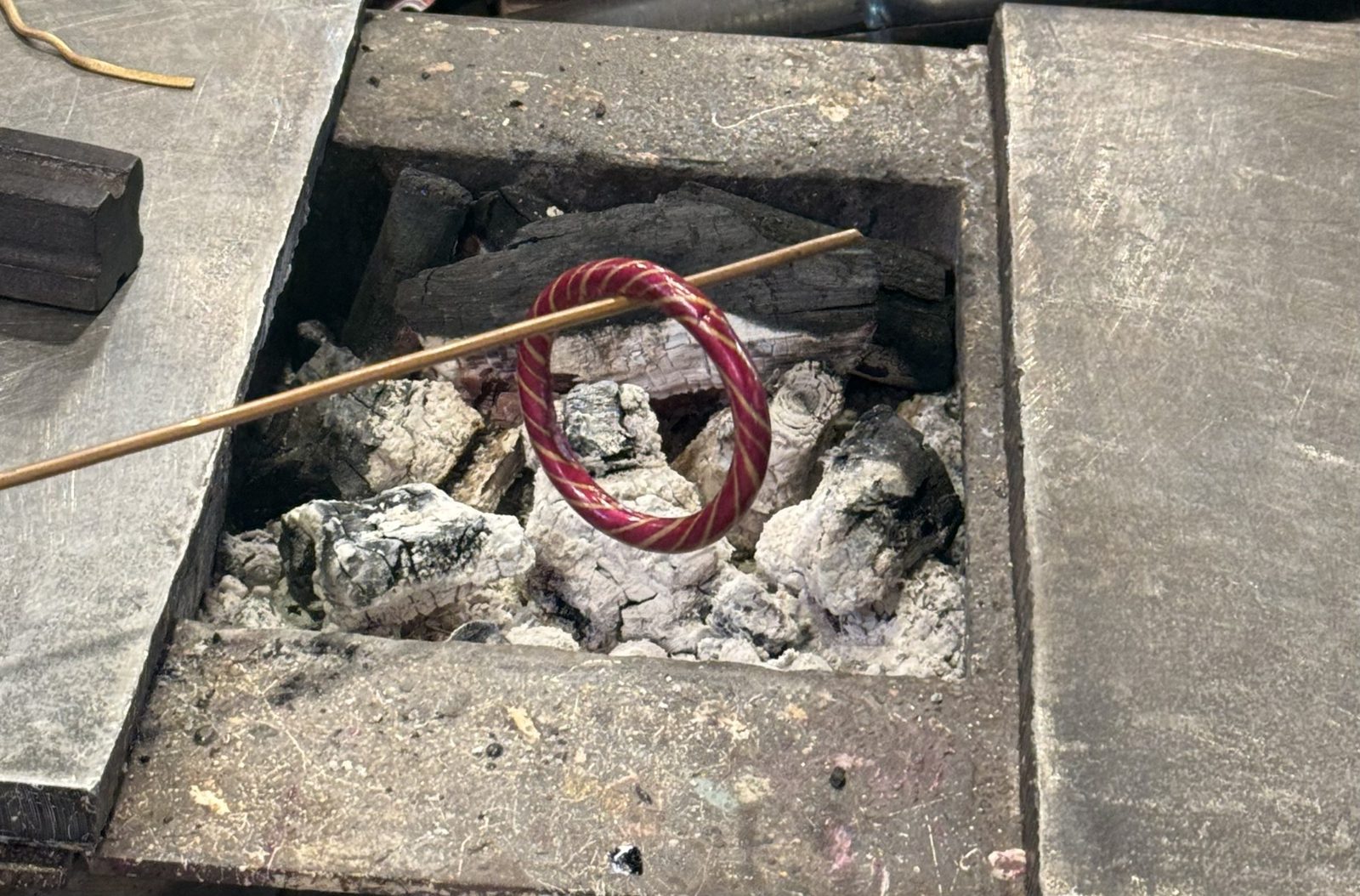
| Laccifer | Lac insect: lac for bangles, sealing wax and varnish | |
| Vectors (carry disease) | Anopheles | Mosquito that spreads malaria |
| Culex | Mosquito that spreads filariasis | |
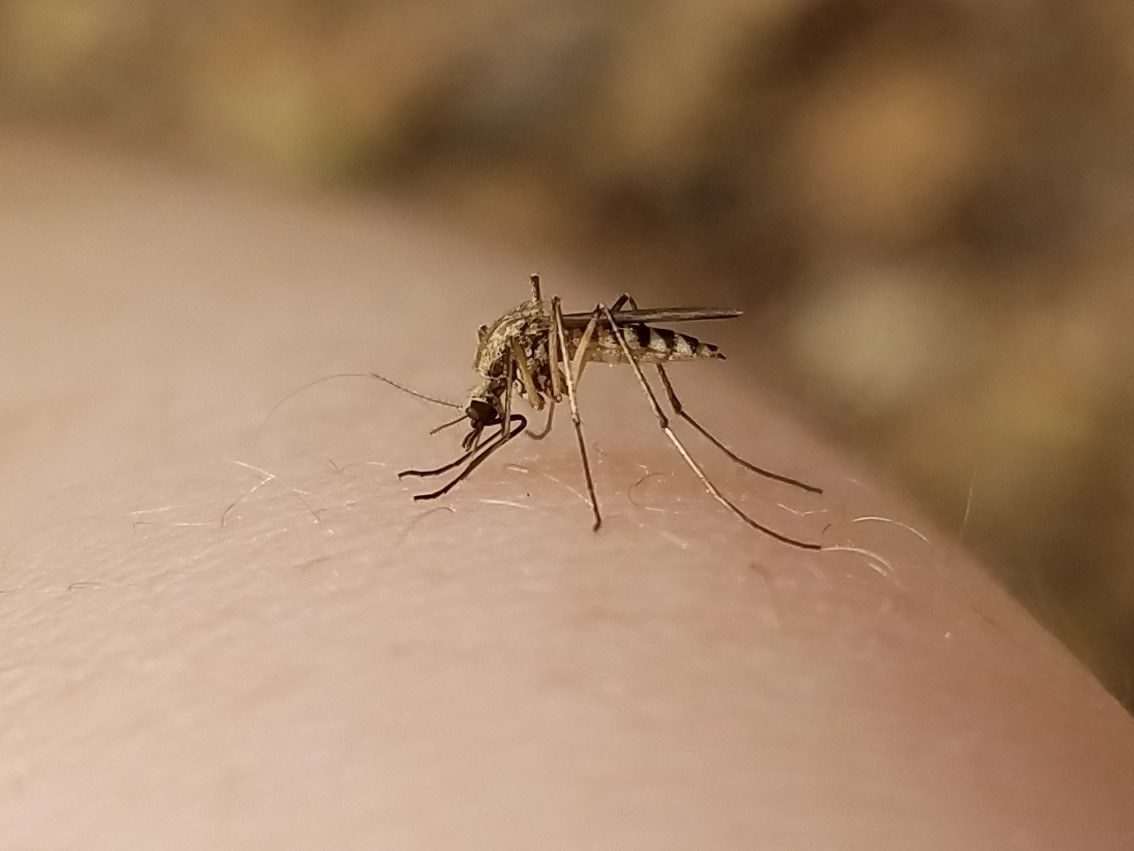
| Aedes | Mosquito that spreads dengue | |
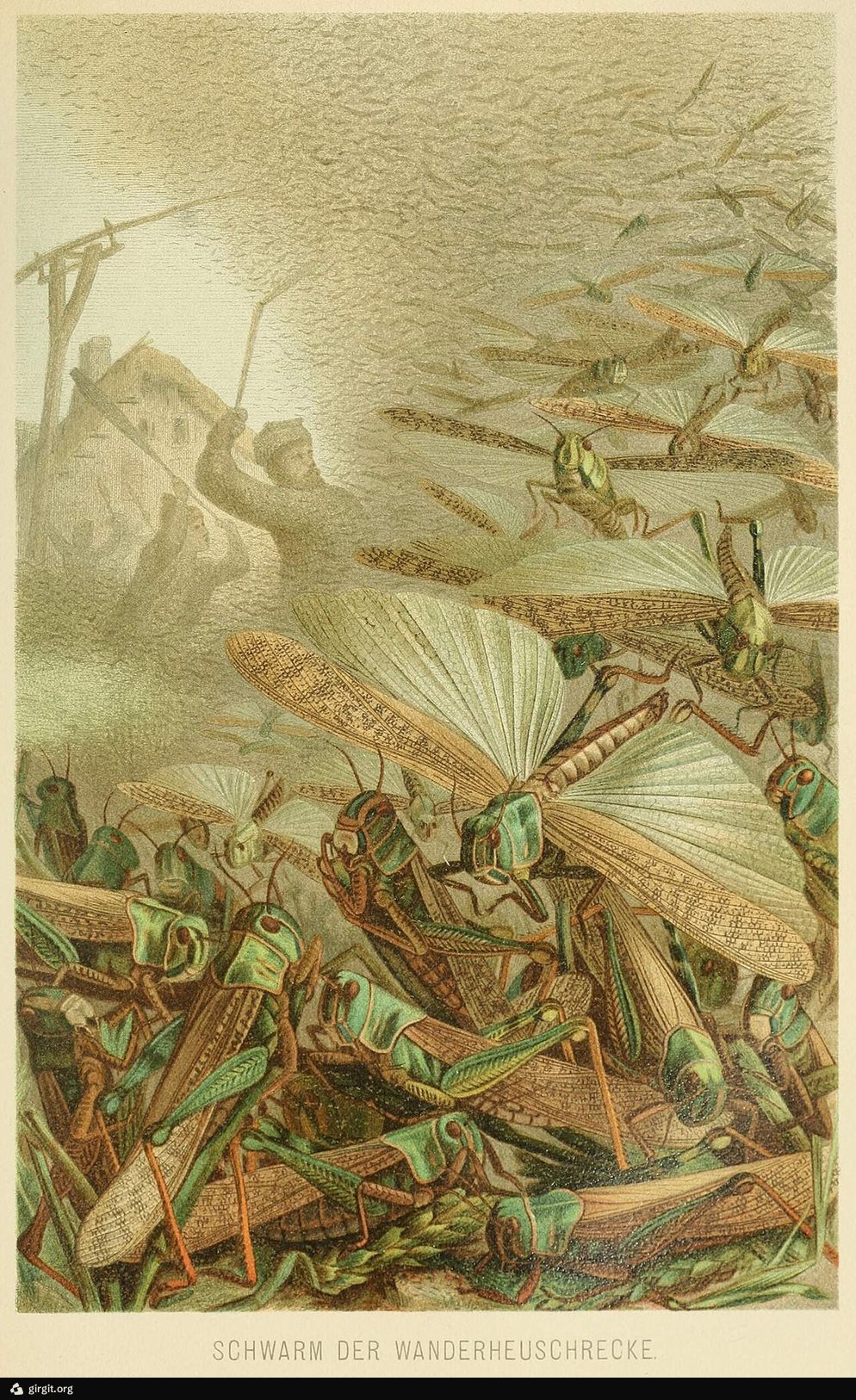
| Gregarious pest | Locusta | Locust: swarms in millions and strips crops (Rajasthan, 2020) |
| Living fossil | Limulus | King crab: almost unchanged for hundreds of millions of years |
Gregarious means living in large groups. A living fossil is a living species that closely resembles its very ancient relatives known from fossils.
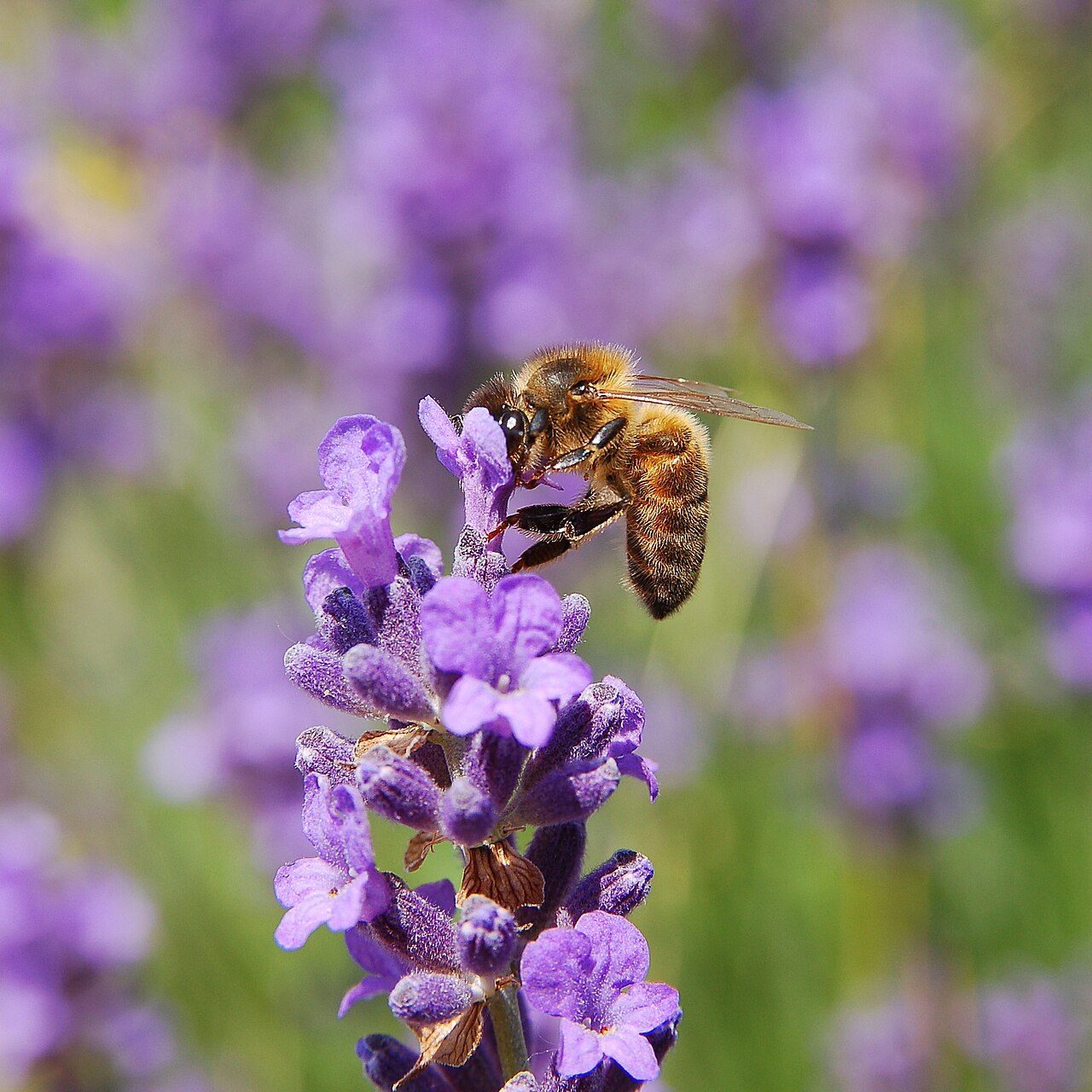 compound eyejointed legwings
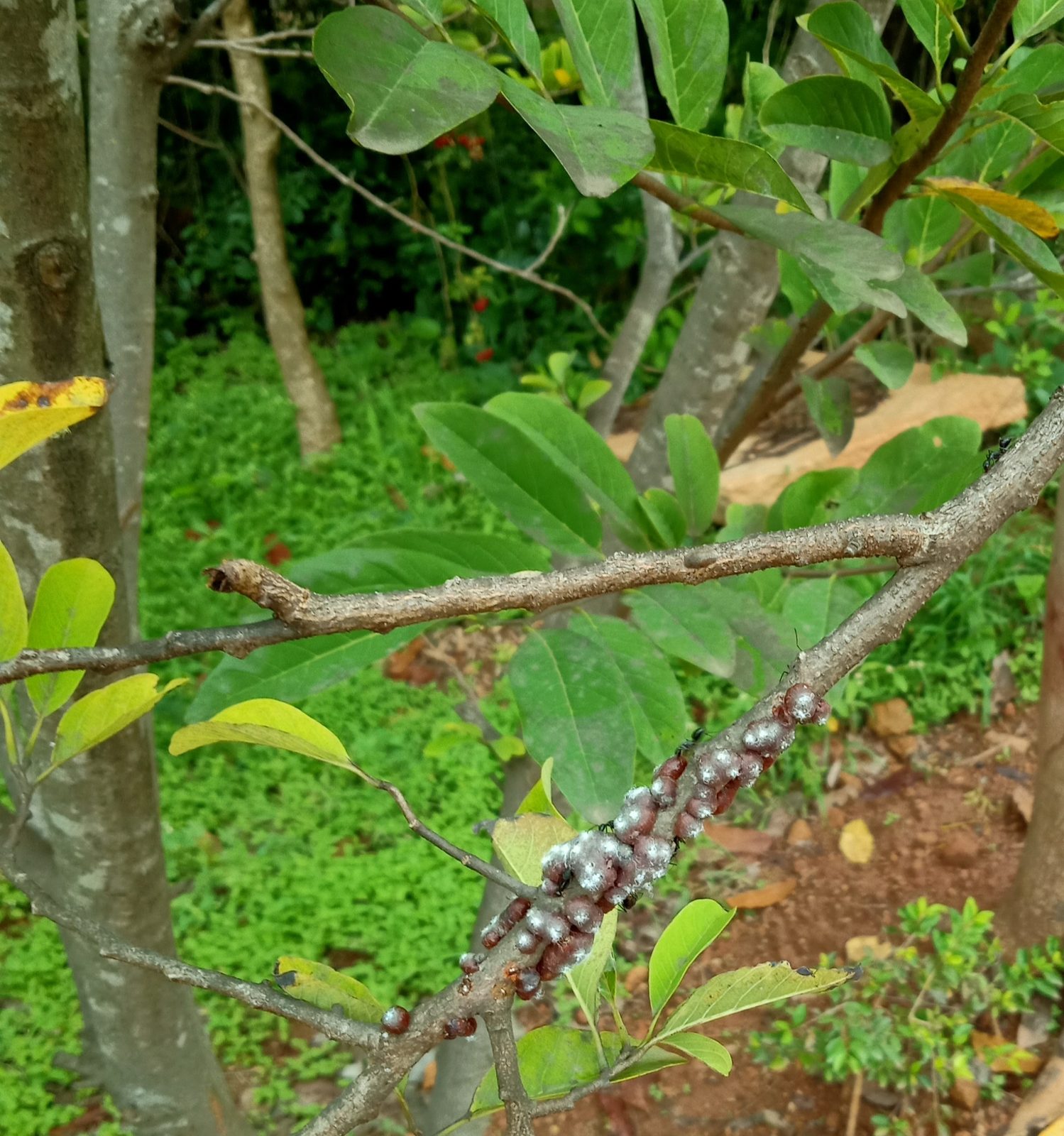 lac crust made by the insects
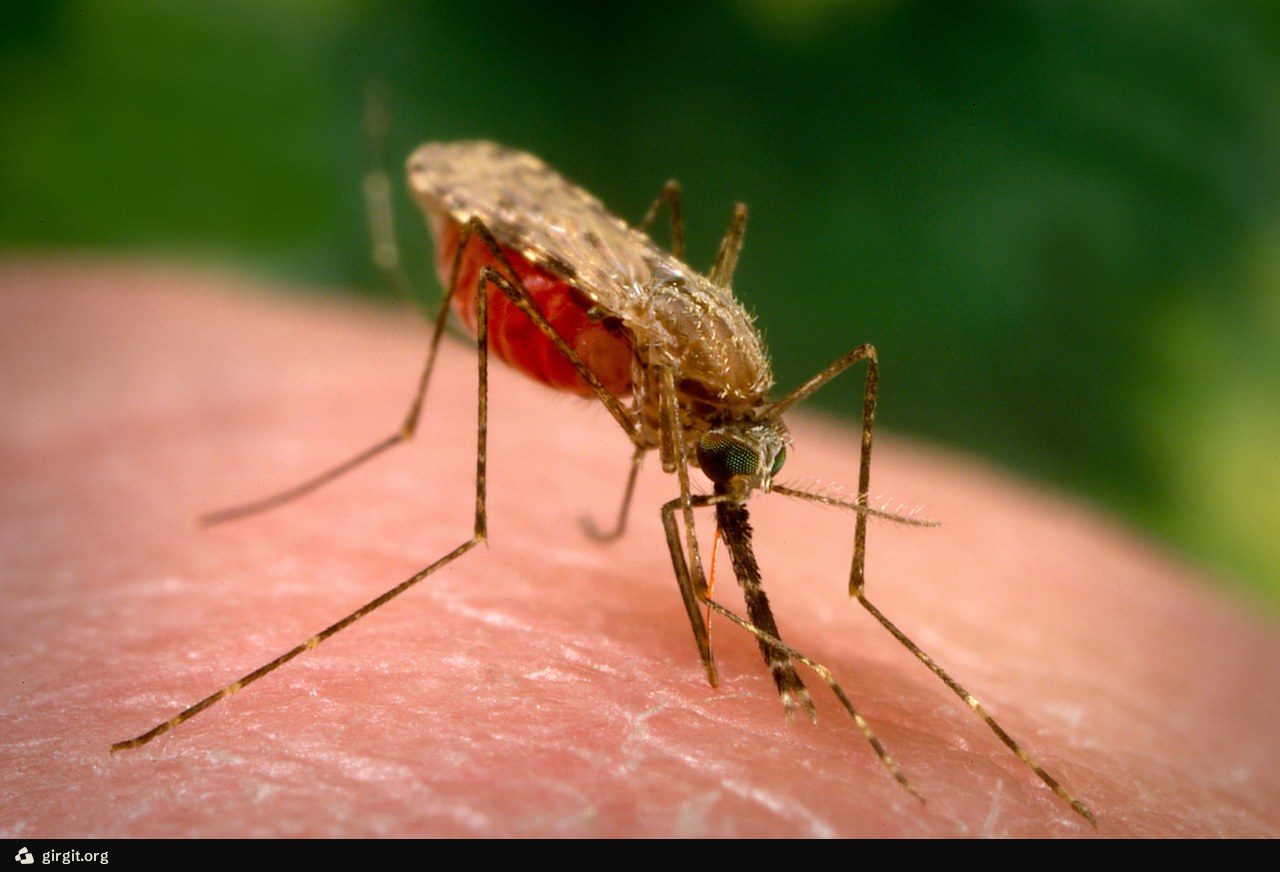 mouthparts piercing skinabdomen full of blood
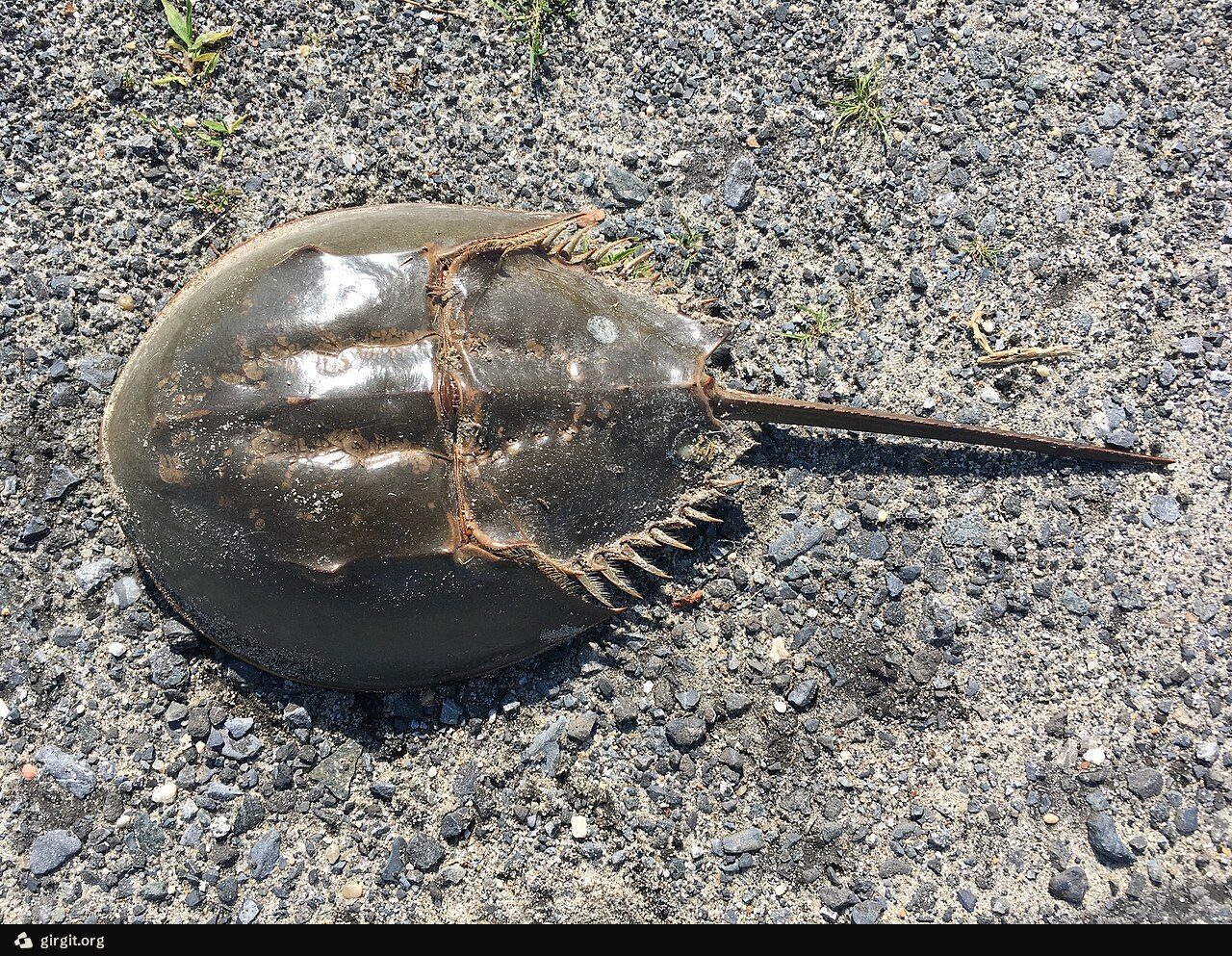 tail spinehard exoskeleton
Phylum Mollusca
The second largest animal phylum. "Mollusc" means soft-bodied. Molluscs live on land or in water (sea or fresh).
- Organ system level, bilateral, triploblastic, coelomate.
- Body unsegmented, covered by a calcareous (chalky, calcium carbonate) shell.
- Three body regions: a distinct head, a muscular foot and a visceral hump (the bag holding the internal organs).
- A soft, spongy layer of skin, the mantle, covers the visceral hump. The space between hump and mantle is the mantle cavity, holding feather-like gills that do both breathing and excretion.
- The head carries sensory tentacles.
- The mouth has a file-like rasping organ for feeding, the radula.
- Usually dioecious and oviparous, with indirect development.
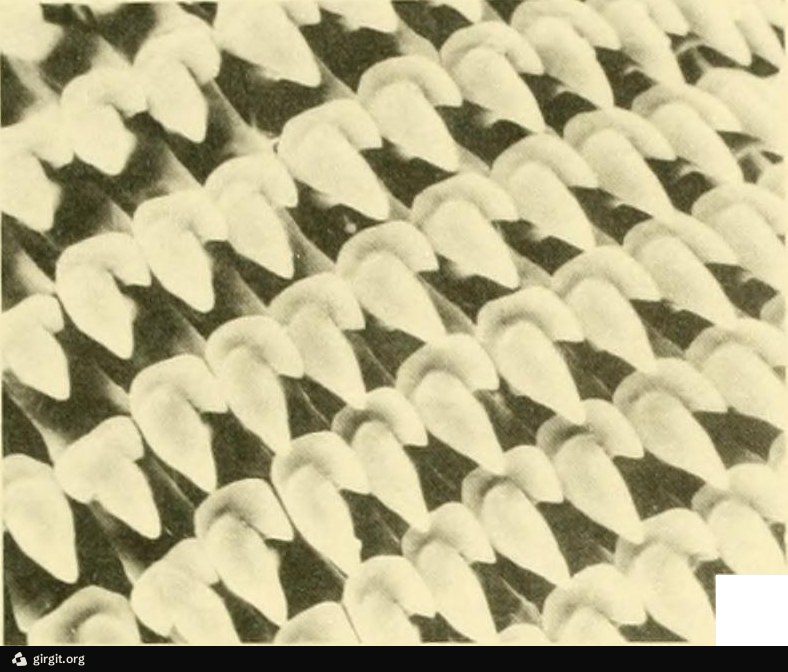 one tooth
Examples (each has a common name worth knowing):
| Genus | Common name |
|---|---|
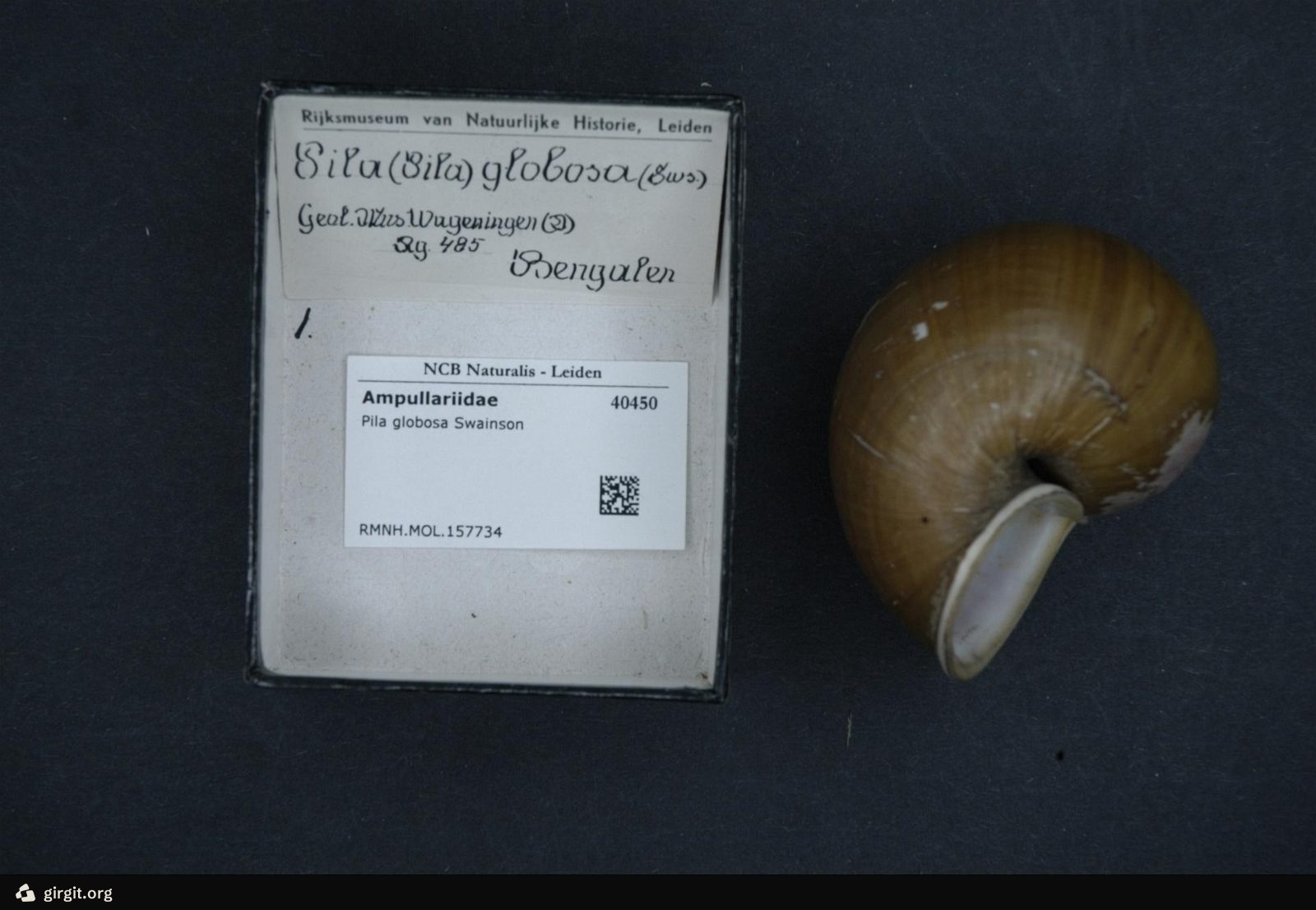
| Pila | Apple snail (common in Indian paddy fields and ponds) |
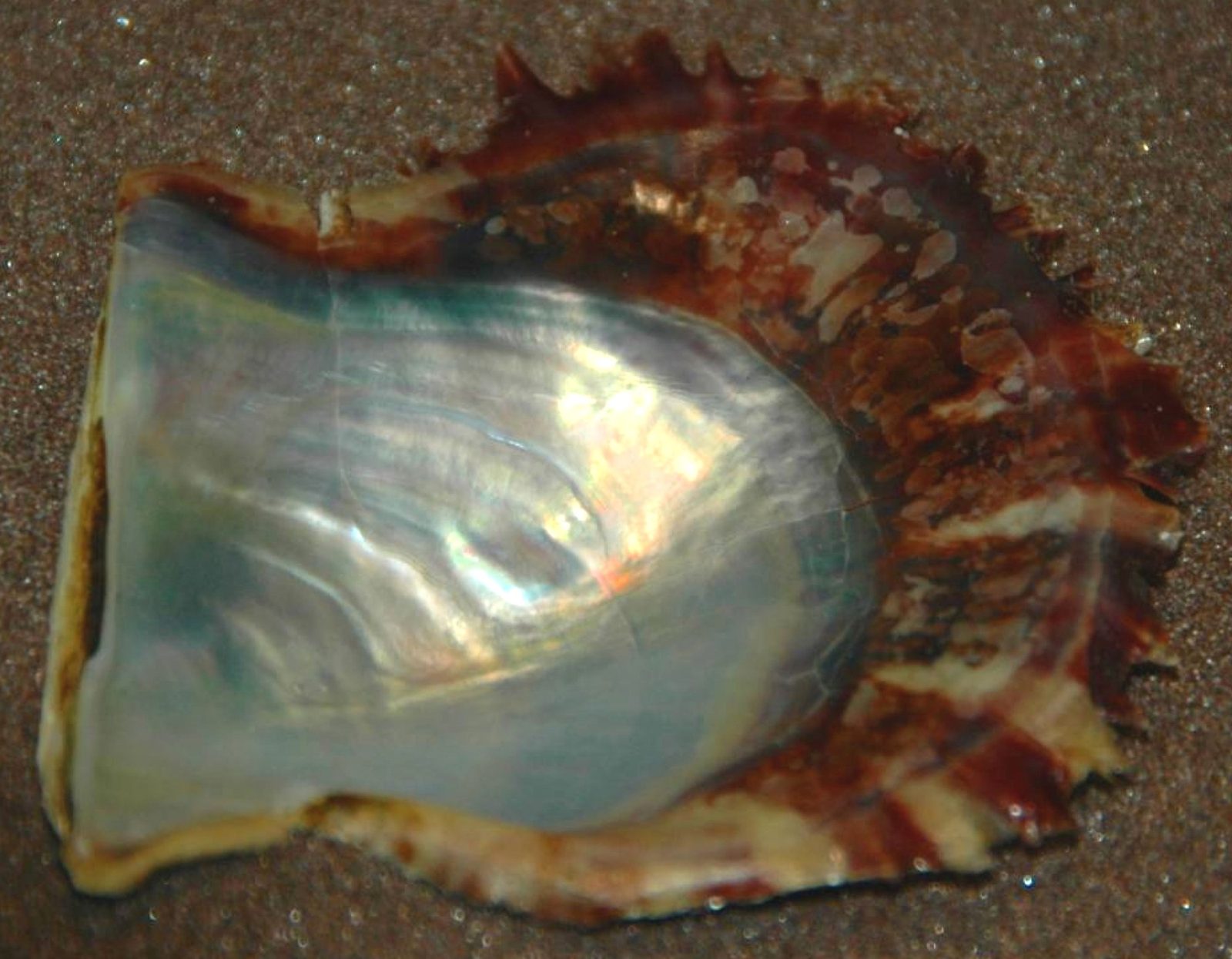
| Pinctada | Pearl oyster |
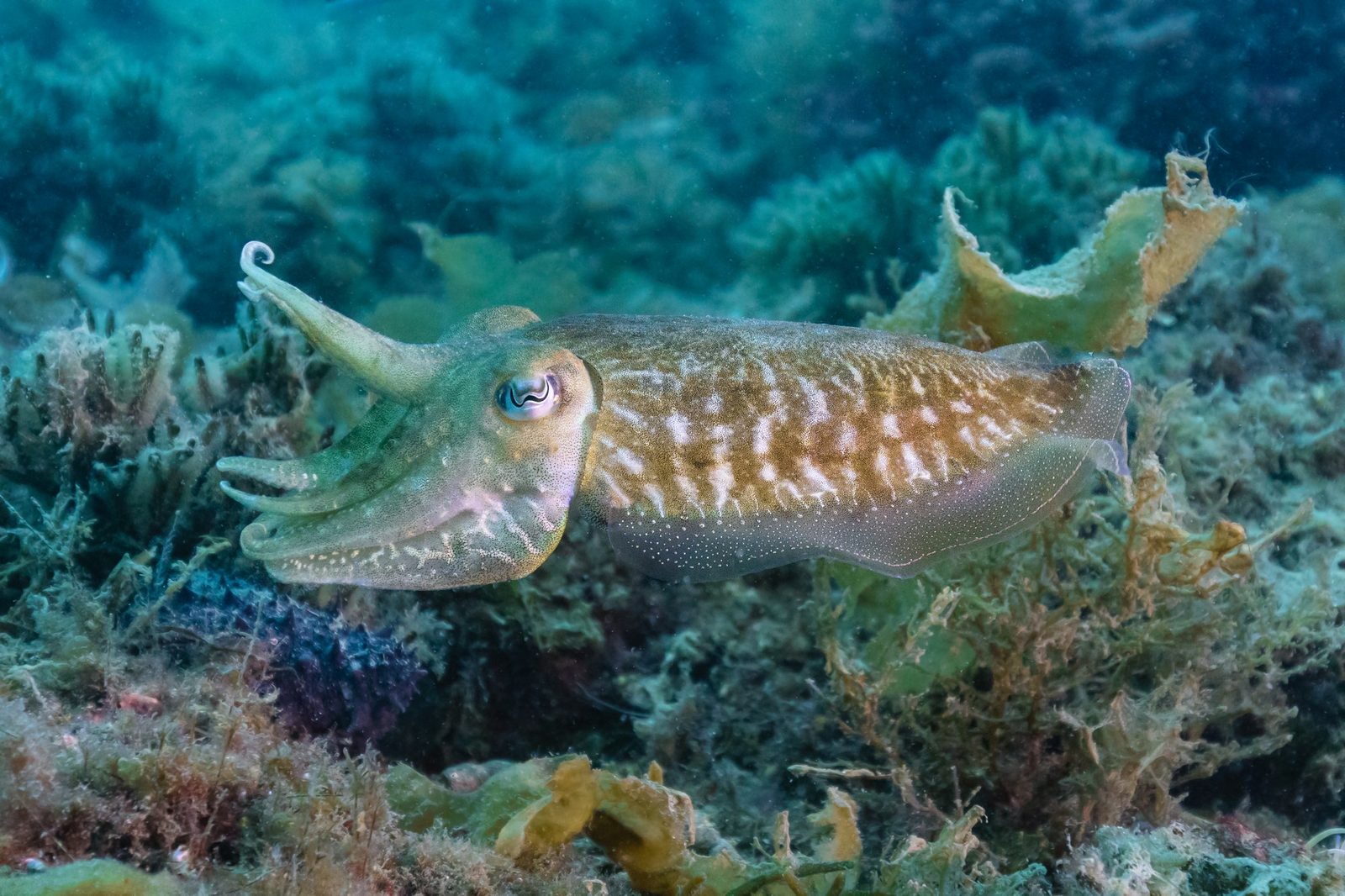
| Sepia | Cuttlefish |
| Loligo | Squid |
| Octopus | Devil fish |
| Aplysia | Sea hare |
| Dentalium | Tusk shell |
| Chaetopleura | Chiton |
Notice: cuttlefish, devil fish, and the sea hare are not fish or hares. Common names mislead; the genus decides.
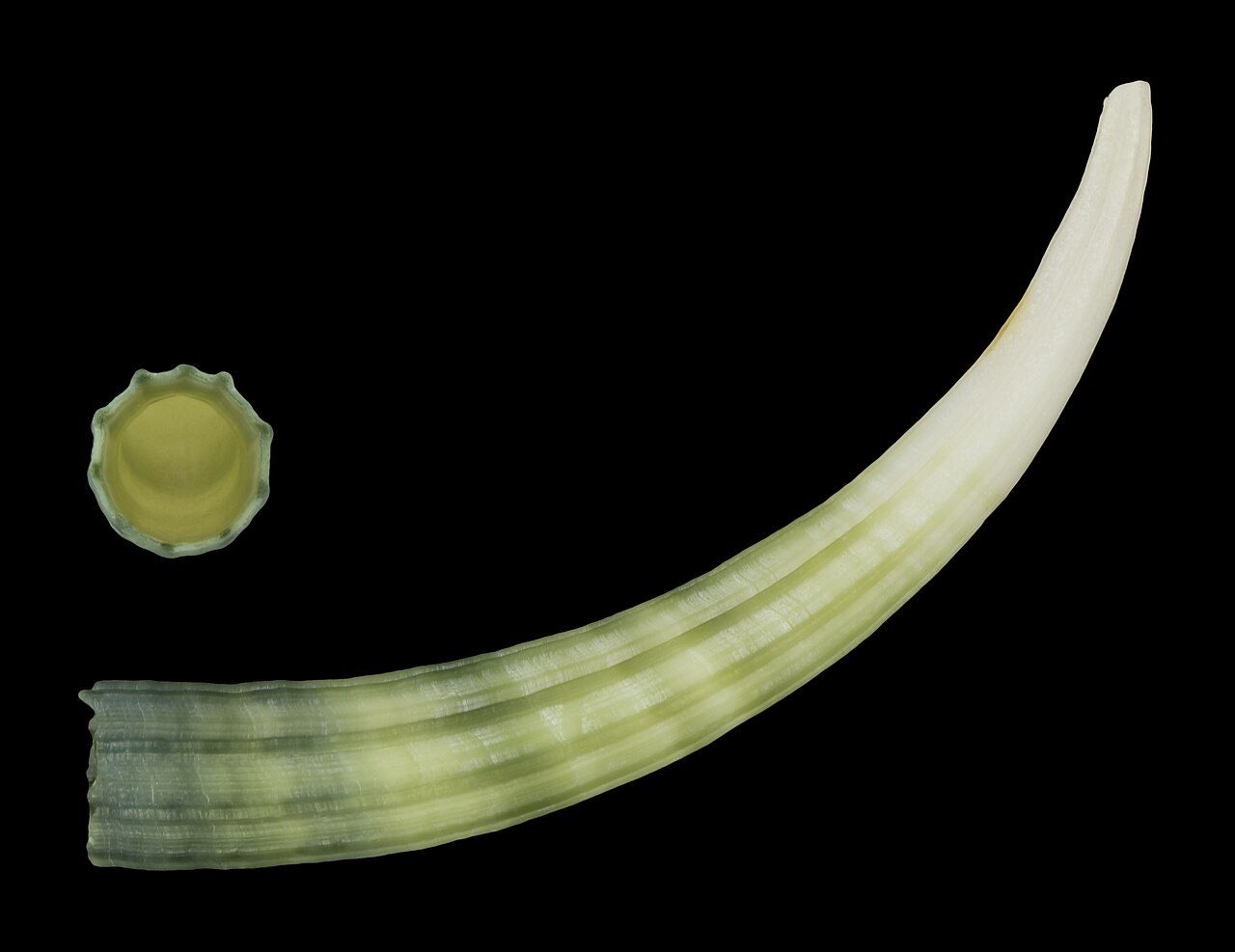
Side by side
| Arthropoda | Mollusca | |
|---|---|---|
| Size of phylum | Largest | Second largest |
| Segments | Yes | No |
| Body covering | Chitinous exoskeleton | Calcareous shell, mantle |
| Body regions | Head, thorax, abdomen | Head, muscular foot, visceral hump |
| Breathing | Gills, book gills, book lungs, tracheae | Feather-like gills in mantle cavity |
| Excretion | Malpighian tubules | Gills share the job |
| Circulation | Open | Present |
| Hallmark | Jointed appendages | Radula |
Don't mix these up
- Radula = Mollusca (Pila). Malpighian tubules = Arthropoda (Bombyx). Book lungs = scorpion.
- Limulus (king crab) is the living fossil. Locusta is the gregarious pest. Laccifer gives lac, Bombyx gives silk.
- Pinctada is the pearl oyster; Physalia (a cnidarian) is the Portuguese man-of-war. Both start with P; don't swap them.
Just remember
The genus names and who does what are pure memory work. Hooks from the words themselves:
- Useful insects: Apis (honey), Bombyx (silk), Laccifer (lac)
- Apis gives us the word apiary, a bee farm. Lacci-fer means "lac-bearer" (like conifer, cone-bearer). Bombyx was the Greek word for the silkworm.
- Vectors: Anopheles (malaria), Culex (filariasis), Aedes (dengue)
- Anopheles is Greek for "useless, harmful"; Aedes means "unpleasant". Pair them as "AM, CF, AD": Anopheles Malaria, Culex Filaria, Aedes Dengue.
- Pest: Locusta. Living fossil: Limulus
- Limulus = Living fossil (the king crab, not a crab at all).
- Molluscs: Pila, Pinctada, Sepia, Loligo, Octopus, Aplysia, Dentalium, Chaetopleura
- Pila is Latin for a ball: the round apple snail. Sepia: the brown ink colour called sepia was first made from cuttlefish ink. Octo-pus: eight feet. Dent-alium: tooth, the tusk shell. Chaeto-pleura: bristly sides, the chiton. Pinctada, the pearl oyster, starts with P like pearl.
- Exoskeleton
- A hard skeleton on the outside of the body.
- Malpighian tubules
- The excretory tubes of insects and other arthropods.
- Book lungs
- Breathing organs of scorpions and spiders, folded like book pages.
- Statocyst
- A small balancing organ.
- Mantle
- The soft fold of skin over a mollusc's visceral hump.
- Radula
- A mollusc's file-like rasping tongue.
- Oviparous
- Laying eggs that hatch outside the mother's body.
Words to know
An animal has a calcareous shell, a muscular foot and a radula. Which is it?
- Limulus
- Pila
- Asterias
- Nereis
Which arthropod is a vector rather than a useful insect?
- Apis
- Laccifer
- Aedes
- Bombyx
In a mollusc, the feather-like gills sit in the
- visceral hump
- mantle cavity
- muscular foot
Deep dive · optional
Why aren't there insects as big as dogs?
The armour and air tubes that made arthropods the biggest phylum also keep them small, perhaps. Then the clever molluscs, the blue blood that tests your vaccines, and India's pearls and locusts. Not in the exam; good for remembering it.
The roots
- Why can't an insect grow as big as a dog?One old answer is breathing. Insects don't carry oxygen in their blood; air travels down branching tubes, the tracheae, right to the cells. For the last part of the trip, oxygen has to diffuse along the tubes.
- Why would that limit size?Diffusion is fast only over short distances (concept 1). A bigger insect has longer tubes, and needs wider ones to carry enough air. In beetles, the tracheae take up about 2% of the leg's inside in the smallest species studied and about 18% in the largest; scaling that trend up, the researchers' model put a limit on beetle length at about 16 cm. The biggest living beetles are about 17 cm.
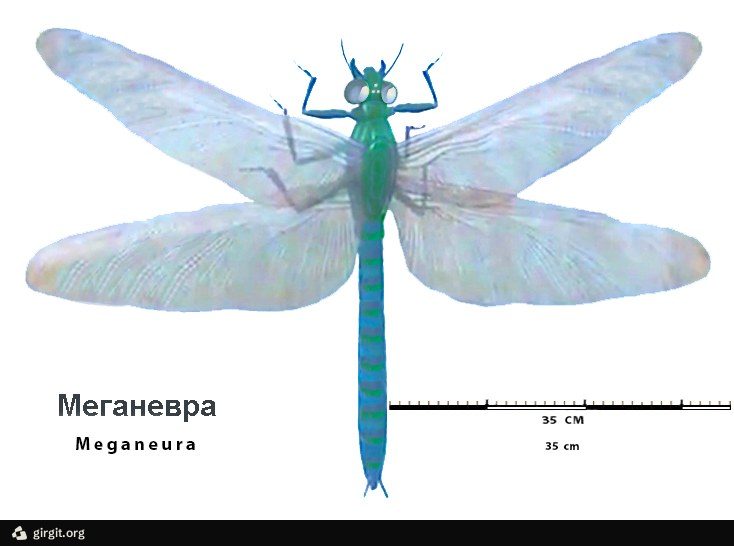
- Then why were there giant insects once?About 300 million years ago, griffinflies related to dragonflies, such as Meganeuropsis, had wings about 70 cm across. Models suggest the air then was about 30 to 35% oxygen, against 21% today. More oxygen, the idea goes, let tubes supply bigger bodies.
- Is that the whole story?No, and this is where science is right now. In 2026 a study of 44 insect species measured the finest air tubes in flight muscle and found they take up only about 1% of it, even when scaled up to the giant griffinflies. Its authors argue oxygen supply did not cap insect size. Other limits are on the table: an exoskeleton gets heavy as it grows, and every moult leaves a big animal soft and helpless while its new armour hardens. The honest answer is: we are not sure yet.
Molluscs went the other way: soft bodies, and in the cephalopods, big brains. An octopus has about 500 million neurons, and about two-thirds of them are not in its brain but in its arms, so each arm can feel and grip on its own. Octopuses open jars (watch below), and a veined octopus filmed in Indonesia carried coconut-shell halves and assembled them into a shelter. Squids gave neuroscience its most famous nerve: the giant axon, up to about 1 mm thick, roughly fifty times a typical mammalian axon. It was thick enough for Alan Hodgkin and Andrew Huxley to push a wire inside it and record a nerve impulse, work that won them a share of the 1963 Nobel Prize.
The story
See it
An insect's air tube, stiffened by a spiral ridge that keeps it from collapsing; a life-size model of a griffinfly from 300 million years ago; and an octopus solving a jar.
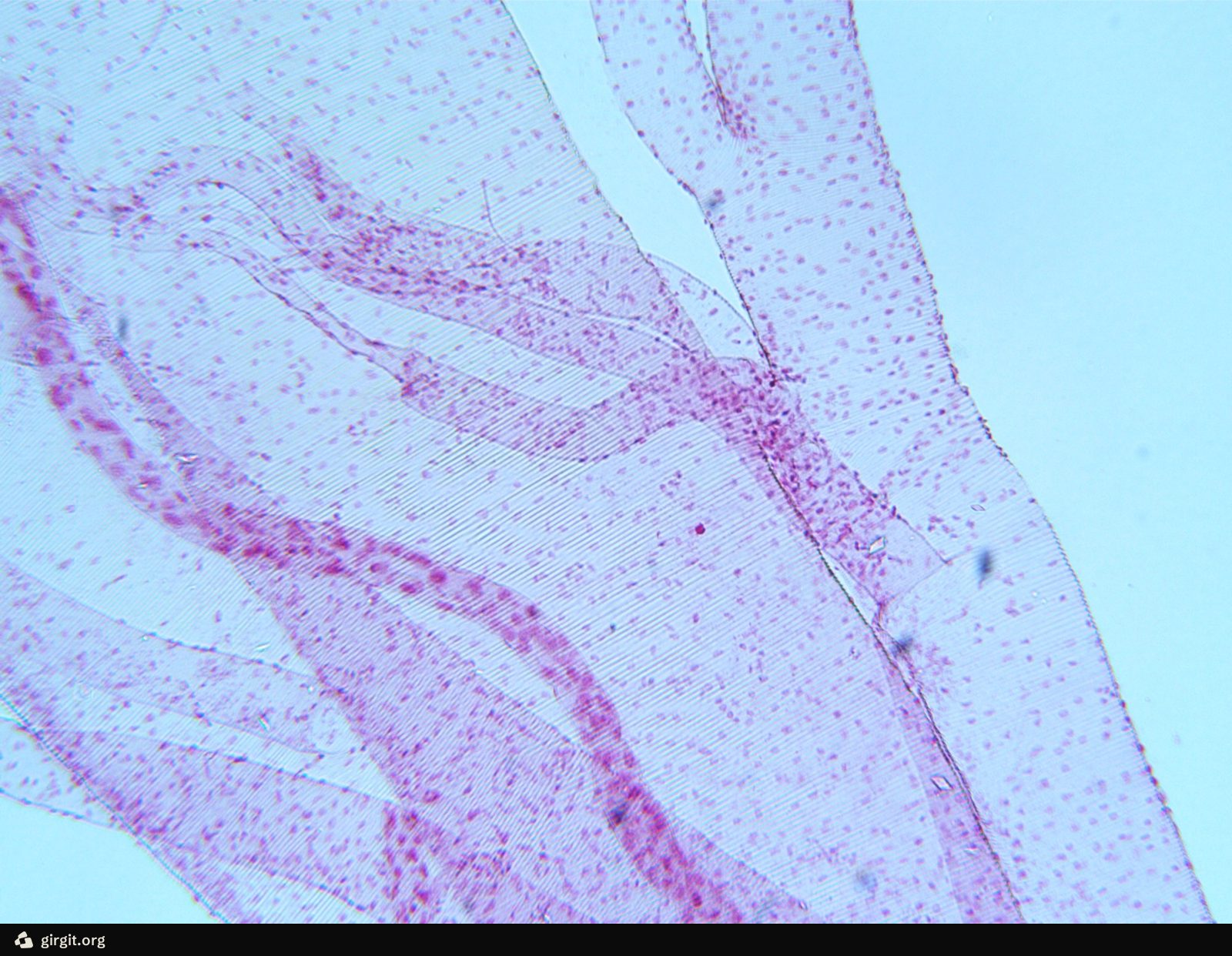 spiral ridges
Solve it
Solve it
Make an insect 10 times longer in every direction. By how many times do (a) its volume, and so its need for oxygen, and (b) the cross-section of a trachea of the same shape, increase? What must happen to the air tubes?
Answer
Solve it
Use the widget: a 1 km² swarm eats 80 tonnes of food a day. If a swarm 10 km² across travels 130 km a day for 5 days, how much does it eat, and why does that make locusts so hard to fight?
Answer
Why is a horseshoe crab's blood blue?
- Its oxygen carrier contains copper
- It has very little haemoglobin
- Endotoxin turns it blue
Connect it
Connect it
- The cockroach, Ch 7. Tracheae, Malpighian tubules and open circulation in detail: the cockroach.
- Malaria and dengue, Class 12. What Anopheles and Aedes carry: malaria.
- Diffusion, concept 1. The same square law that limits flatworms limits air tubes: sorting animals.
- Nerve impulses, Ch 18. What Hodgkin and Huxley recorded in the squid axon: the nerve impulse.
- Silk and lac in India. Mysore and Kanchipuram silk comes from Bombyx; the lac bangles of Hyderabad's Laad Bazaar from Laccifer (photos above).
Still confused?
If insect blood doesn't carry oxygen, what is it for?
In most insects the blood (haemolymph) carries food, hormones and wastes, and helps fight infection; the tracheae bring the oxygen. A few insects, like the red bloodworm larvae of midges, do have haemoglobin in their blood.
Is a spider an insect?
No. Both are arthropods, but insects have three body parts and six legs, while spiders have two body parts and eight legs and breathe with book lungs. The scorpion, with book lungs too, is a spider's cousin.
Sources
- Kaiser et al. (2007), Increase in tracheal investment with beetle size, PNAS
- Ars Technica (2026): the oxygen explanation for giant insects questioned (Snelling et al., Nature)
- FAO Locust Watch: frequently asked questions
- Down To Earth: crops lost to locusts since 2019 and Business Standard: 4 lakh hectares treated
- American Association of Immunologists: Blue bloods, Bang, Levin and the horseshoe crabs
- ScienceDaily (2008): oldest horseshoe crab fossil
- OIST: octopus arms and neurons
- The Physiological Society: the squid giant axon
- CMFRI: pearl culture in India
- Dyar's rule
Picture and video credits
Show 8 picture and video credits
- honey-bee-thistle.mp4: The Nature Box, CC BY-SA 3.0
- honey-bee.jpg: Luc Viatour, CC BY-SA 3.0
- lac-insect-bangalore.jpg: Shyamal, CC BY-SA 4.0
- lac-bangles-hyderabad.jpg: Reema Jalihal, CC BY-SA 4.0
- aedes-mosquito.jpg: Leila Dasher, CC BY 4.0
- pearl-oyster-pinctada.jpg: James St. John, CC BY 2.0
- cuttlefish-sepia.jpg: Diego Delso, CC BY-SA 4.0
- tusk-shell-dentalium.jpg: H. Zell, CC BY-SA 3.0


